Watch Mars Glide Past the Seven Sisters in a Rare Pre‑Dawn Sky Show June 28
Watch Mars glide past the Pleiades in a pre‑dawn spectacle on June 28 – a rare alignment not seen again until 2034.
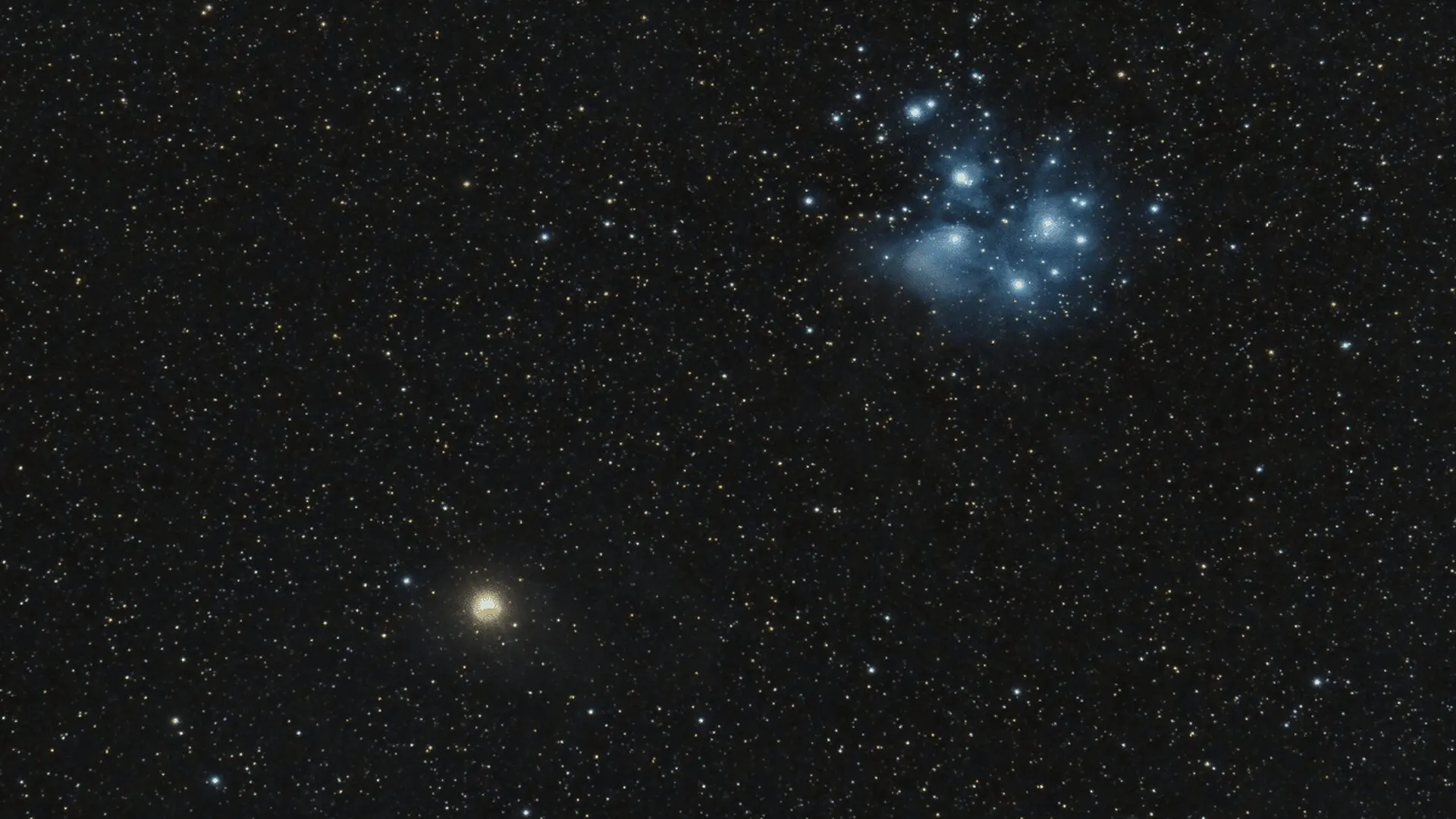
In the pre‑dawn hours of late June, a striking visual conjunction will bring the red planet Mars close to the glittering Pleiades, the famed “Seven Sisters” cluster, creating a brief but memorable skywatching moment for enthusiasts worldwide.
A Once‑in‑Decade Sky Show Before Dawn
Astronomers note that a similarly clear encounter between Mars and the Pleiades will not recur until 2034, making this year’s event a rare opportunity. Data compiled by WhenTheCurvesLineUp.com indicates that Mars will drift close enough to the cluster to appear as a paired sight from Earth, even though the two objects remain separated by vast interstellar distances.
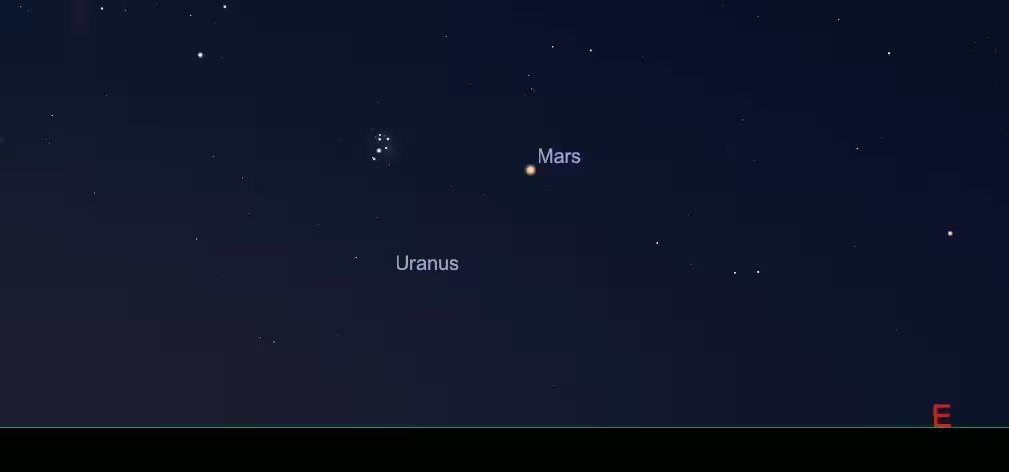
How and When to Spot the Mars‑Pleiades Pairing
The optimal viewing period occurs in the hour preceding sunrise, when the eastern horizon begins to lighten but the sky remains dark enough to reveal the fainter stars of the cluster. Observers should seek an unobstructed eastern outlook, preferably from locations away from city lights, as urban glow can diminish the visibility of the Pleiades.
Around June 28, Mars will reach its closest apparent approach to the Pleiades, presenting the tightest visual grouping of the two objects. Binoculars can sharpen the faint stars of the cluster and keep both bodies within a single field of view, but under dark conditions the naked eye can still discern the bright red dot of Mars against the shimmering cluster.
Why the Red Planet and the Seven Sisters Captivate Astronomers
The Pleiades, nestled in Taurus, comprise hundreds of young, hot stars born roughly 100 million years ago from a common cloud of gas and dust. Only a few of these stars are visible without optical aid, their blue‑white glow providing a vivid contrast to Mars’ rusty hue, which stems from iron oxidation on the planet’s surface.
Mars’ current orbital position aligns it with the Pleiades from our line of sight, a geometric coincidence rather than a true spatial proximity. Such alignments recur as planets and star fields move relative to each other, but the present configuration benefits from favorable brightness, timing, and sky placement, rendering it one of the more accessible astronomical spectacles of the season.
Tips for Clear‑Sky Viewing and Equipment Choices
A cloudless horizon is essential; even thin veils can hide the dimmest members of the cluster, leaving only Mars visible. Early morning moisture and haze may also reduce contrast, especially close to the horizon where the objects will appear low in the sky. Arriving ahead of sunrise allows eyes to adapt to low‑light conditions, improving overall perception.
While binoculars enhance the experience by bringing out additional stars, they are not mandatory if the sky is dark enough. The pairing of a vivid red point and a delicate star cluster can still be appreciated in moderately light‑polluted settings, offering a dynamic visual narrative as Mars slowly shifts its position relative to the Pleiades over successive mornings.
This article has been fact checked for accuracy, with information verified against reputable sources. Learn more about us and our editorial process.
Last reviewed on .
Article history
- Latest version
Reference(s)
- Hunt, Jeffrey. “2026, June 23-July 2: Mars Passes the Pleiades: Last Visible Conjunction Until 2034.”, June 13, 2026 When the Curves Line Up <https://whenthecurveslineup.com/2026/06/13/2026-june-23-july-2-mars-passes-the-pleiades-last-visible-conjunction-until-2034/>.
Cite this page:
- Posted by Zara Tariq