Was This 17th Century Shipwreck Survivor History’s First Documented Corporate Psychopath
A notorious 17th-century massacre reveals disturbing patterns of ambition and manipulation that remain eerily relevant in today’s modern business world.
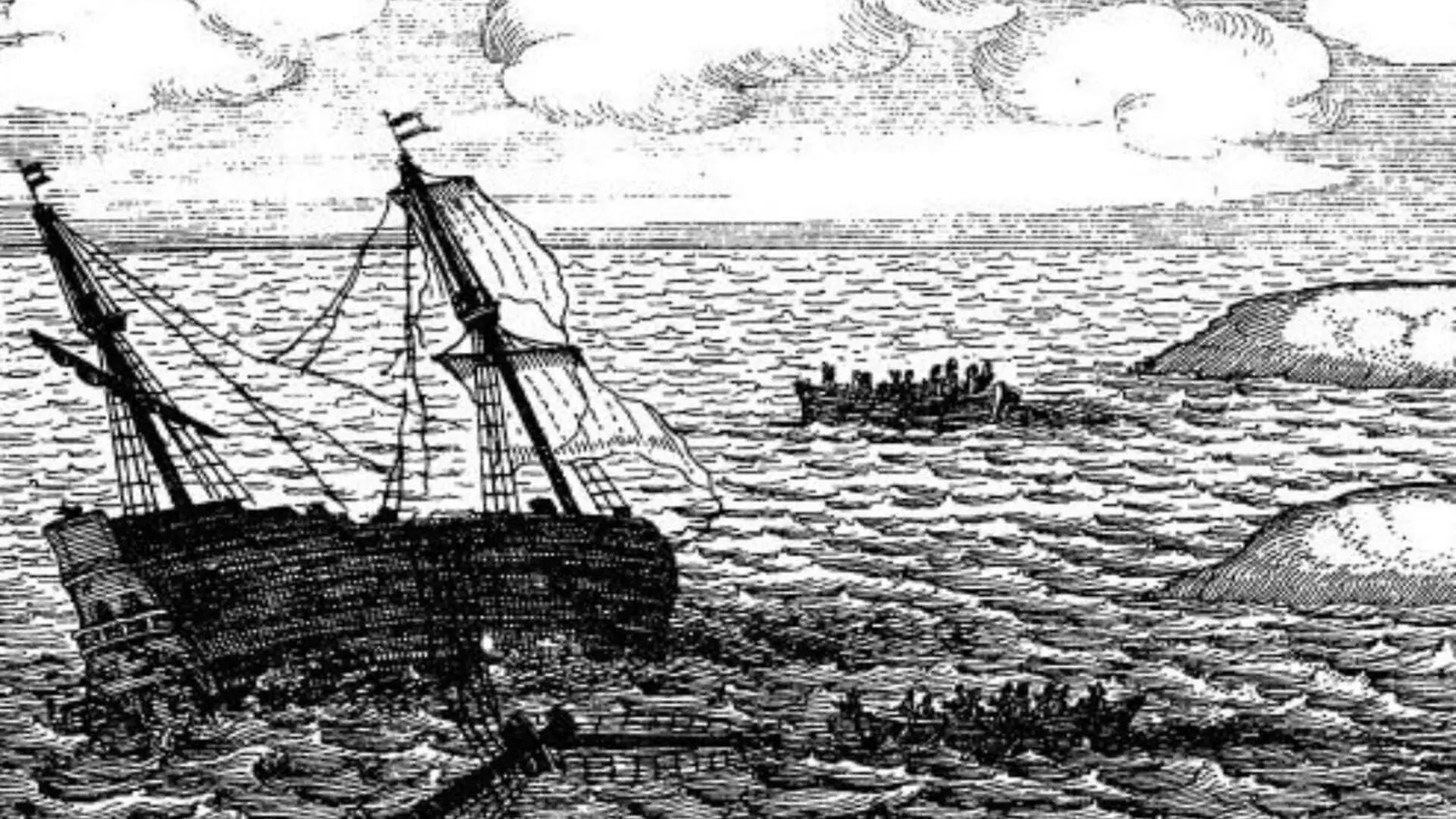
While the contemporary image of the “corporate psychopath” is often tied to the ruthless, high-stakes boardroom culture of the late 20th century, new research suggests these behavioral patterns are far older than modern business structures. By examining historical archives, scholars have identified striking parallels between modern office manipulators and the actions of a 17th-century officer involved in one of history’s most brutal maritime disasters.
Clive Roland Boddy, a researcher recognized for his foundational work on corporate psychopathy, has turned his attention to Jeronimus Cornelisz, a figure central to the infamous 1629 shipwreck of the Batavia. The vessel was owned by the Dutch East India Company (VOC), an entity that stands as one of history’s earliest examples of a permanent, shareholder-owned multinational corporation.
The Rise of the First Global Corporation
The Dutch East India Company revolutionized commerce in the early 1600s. Unlike the short-lived, voyage-specific trading syndicates of the era, the VOC operated as a long-term enterprise. With a structure allowing citizens to trade shares, it provided a stable, state-backed monopoly on the lucrative Asian spice trade. This environment, while groundbreaking, operated in a regulatory vacuum that lacked the ethical oversight of modern business.
Jeronimus Cornelisz, an apothecary by trade, entered this orbit in 1628 following a string of professional setbacks and a personal scandal involving his family. Despite his background, he managed to secure a junior officer position on the Batavia, a ship bound for the Dutch East Indies under the command of Commodore Francisco Pelsaert. During the voyage, Cornelisz systematically manipulated the ship’s skipper, Ariaen Jacobsz, successfully grooming him to support a planned mutiny against Pelsaert.

A Deadly Vacuum of Power
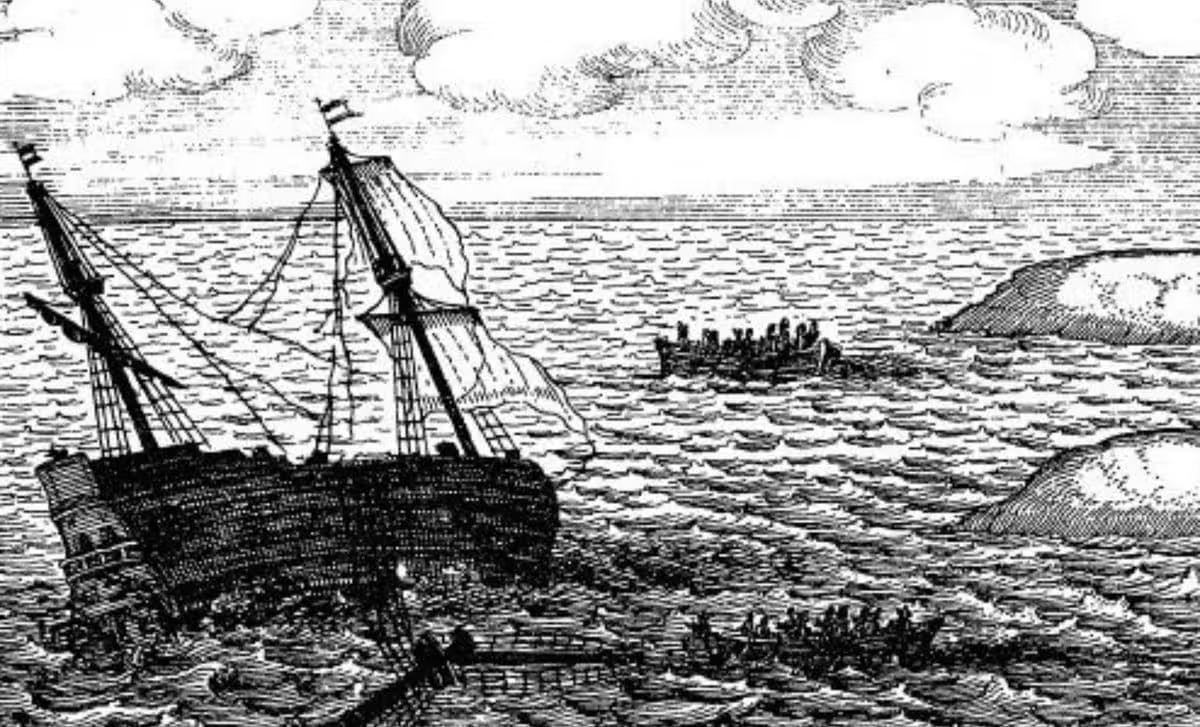
The situation escalated into catastrophe on June 4, 1629, when the Batavia struck a reef off the coast of Western Australia. While the precise circumstances—whether the crash was a calculated act of sabotage or a navigational failure—remain a subject of historical debate, the aftermath placed a significant portion of the survivors under the direct control of Cornelisz.
With the ship’s commander, Pelsaert, having departed to seek help, Cornelisz seized the opportunity to consolidate power. He established a small group of loyalists and began a campaign of terror that lasted over two months. During this period, an estimated 100 to 125 people were systematically murdered. Cornelisz utilized starvation, intimidation, and sexual violence to maintain absolute dominance over the stranded population, ensuring that anyone he deemed a threat was eliminated.
Applying Modern Psychometric Frameworks
In a study published in the Asian Journal of Business Ethics, Boddy applied the Psychopathy Measure–Management Research Version (PM–MRV)—a tool typically used to identify toxic leadership in contemporary firms—to the documented history of Cornelisz. The analysis revealed that Cornelisz exhibited all ten key traits of a corporate psychopath, including a grandiose sense of self, calculated manipulation, and a lack of empathy.
Boddy suggests that the VOC’s structure, which prioritized extreme profit, provided a fertile environment for such personalities. While the study does not equate the physical violence of the 17th century with today’s corporate world, it highlights a persistent modus operandi. Whether operating on a remote island or in a modern skyscraper, individuals with these traits consistently rely on the same tactics: isolating rivals, co-opting authority figures, and prioritizing their own advancement at the expense of others.

This research reframes the narrative of corporate psychopathy, shifting it from a byproduct of modern office dynamics to a deeply rooted historical issue. By identifying Cornelisz as an early, documented case, researchers gain a clearer understanding of how certain personality types have long sought to exploit the vulnerabilities inherent in large-scale organizational hierarchies.

This article has been fact checked for accuracy, with information verified against reputable sources. Learn more about us and our editorial process.
Last reviewed on .
Article history
- Latest version
Cite this page:
- Posted by Zara Tariq