Scientists Find 84
Scientists locate a centuries‑hidden tree in Taiwan’s remote mountains, revealing its unique history and ecological significance.
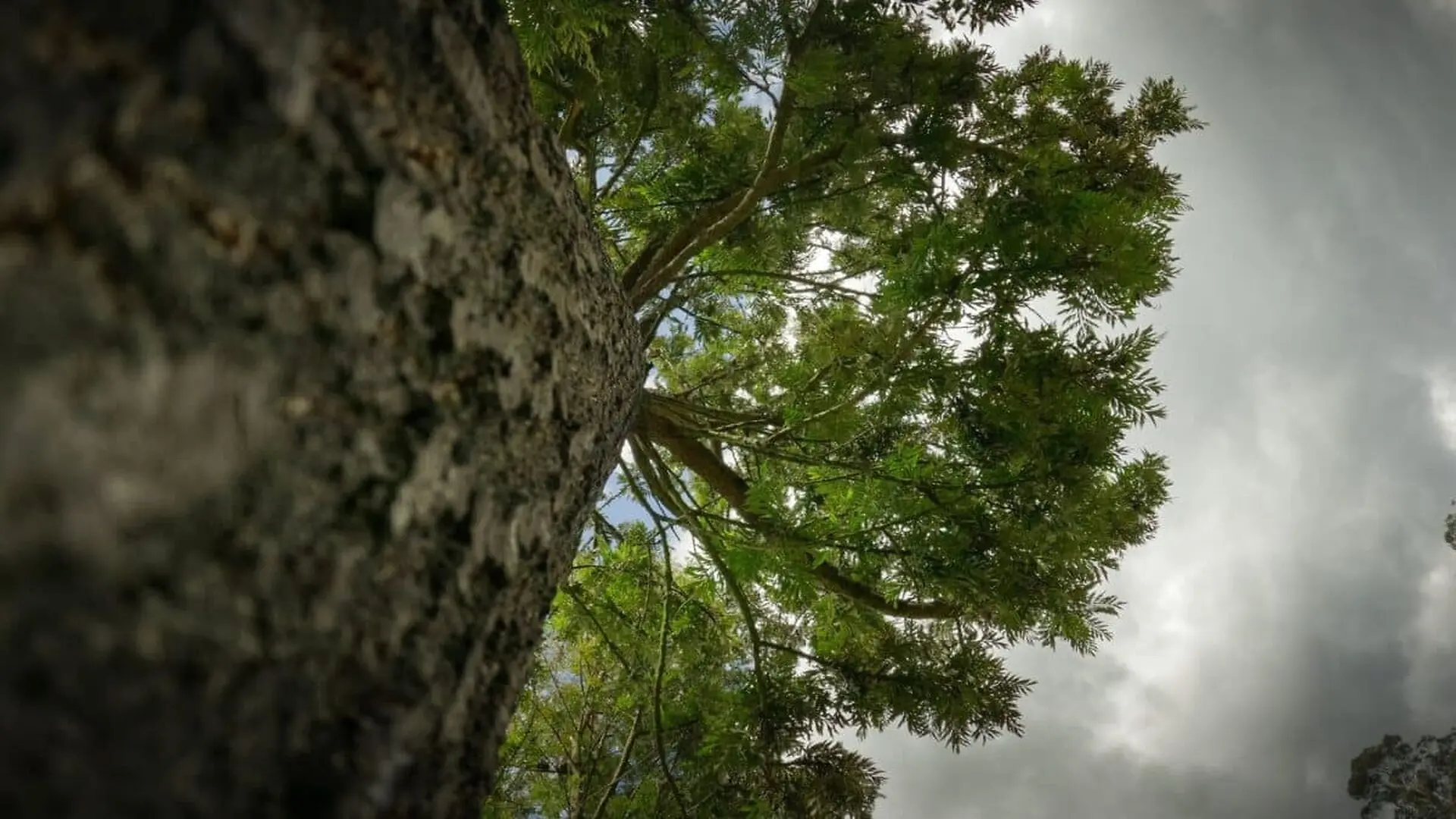
In the remote highlands of Taiwan, researchers have identified a Taiwania fir that stretches 84.1 meters, setting a new record for tree height in East Asia. The breakthrough resulted from years of arduous fieldwork, advanced LiDAR surveys, and the participation of hundreds of volunteers hunting for hidden giants across inaccessible forests.
The island’s rugged interior shelters some of its oldest woodlands, where massive Taiwania cryptomerioides thrive far from human disturbance. Indigenous Rukai people refer to these specimens as “the tree that hits the moon,” reflecting their remarkable stature among the region’s flora.
A team comprising climbers, ecologists, geologists, remote‑sensing specialists, and citizen scientists detailed their findings in a study published by Frontiers, outlining how the collaborative effort pinpointed and measured these concealed titans.
A Decade of Pursuing Taiwan’s Towering Trees
The initiative began in 2014 when scientists from the Taiwan Forestry Research Institute entered the Cilan conservation area to investigate the locally known “Chilan Three Sisters.” Although the community was aware of three massive Taiwania firs, their exact dimensions had never been formally recorded. The team measured the tallest of the trio at 69.3 meters, with a trunk approaching three meters in diameter.
International interest surged after Australian climbers from The Tree Projects captured photographs of the trees in 2017, showcasing the extraordinary scale of Taiwan’s forest giants. Subsequent expeditions shifted focus toward regions surrounding Mt. Benya and Great Ghost Lake, where anecdotal reports hinted at additional colossal specimens.
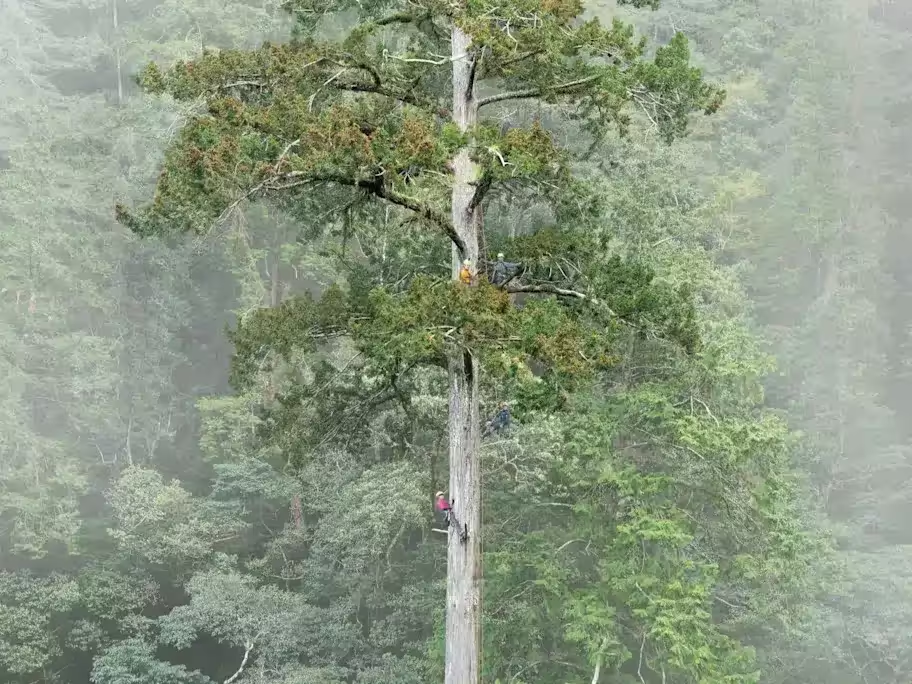
Reaching these sites proved demanding; one trek required four days of hiking while hauling heavy equipment. During that journey, the group scaled a 71.7‑meter tree, only to realize that visual assessment alone could be misleading, as dense old‑growth canopies often obscure true tree heights.
Remote Sensing and Citizen Science Reveal Hidden Giants
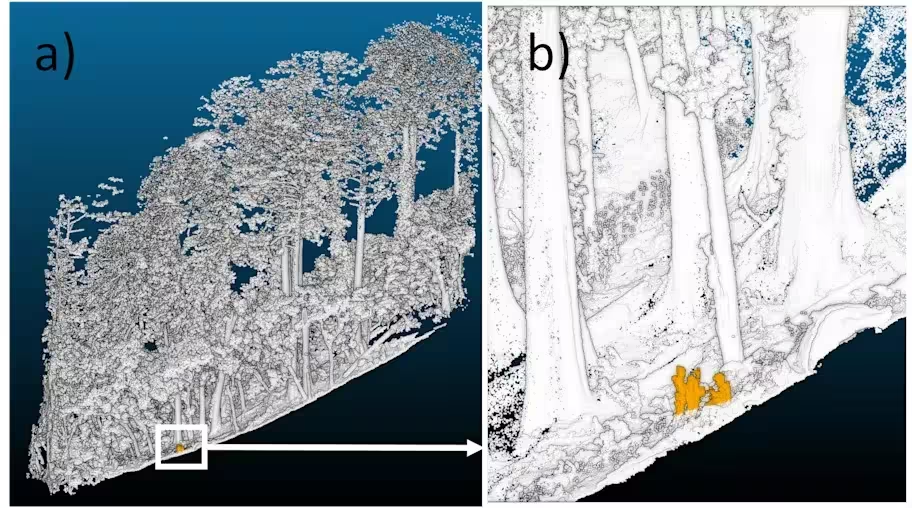
To cover the extensive mountainous terrain, collaborators from National Cheng Kung University employed airborne LiDAR, a laser‑based remote‑sensing technique that maps topography in three dimensions by recording the return time of emitted pulses. This approach allowed the team to generate high‑resolution height models across large forested areas.
However, Taiwan’s steep cliffs and rugged slopes generated numerous false positives, inflating apparent tree heights. In 2020, the project enlisted hundreds of volunteers to manually review LiDAR outputs, filtering out artefacts produced by the challenging landscape.
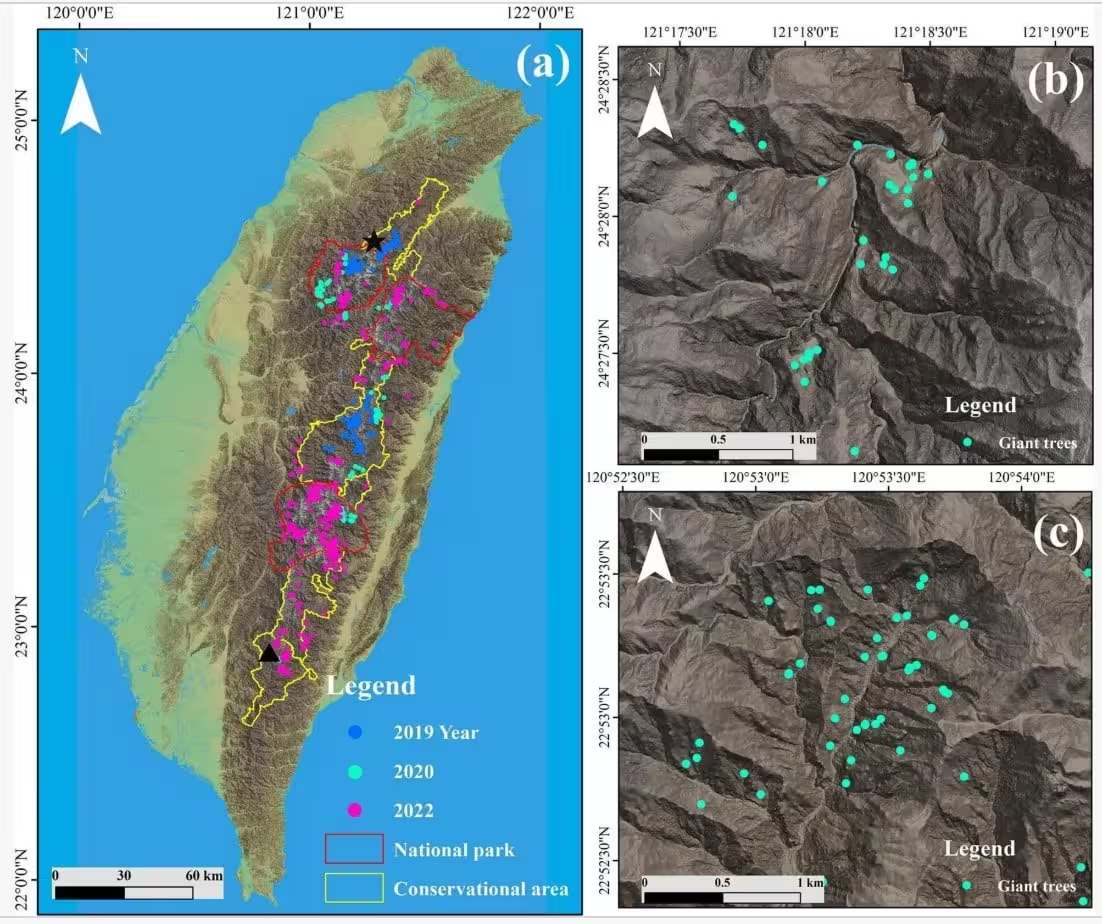
Manual verification proved essential: automated algorithms mis‑identified 93 % of the initial candidates, whereas human reviewers could discern terrain‑induced errors. The effort culminated in the 2022 “Taiwan Giant Tree Map,” documenting 941 trees exceeding 65 meters in height.
Guided by the refined map, the team followed a river for 20 kilometers and then trekked uphill for two days in January 2023, eventually locating the record‑breaking specimen. The tree measured 84.1 meters tall and was christened the “Heaven Sword of the Da’an River.”
Massive Forests as Major Carbon Reservoirs
Beyond isolated record‑holders, the surveys uncovered dense clusters of towering trees, described by researchers as “temples of giants.” Near Mt. Benya, a single hectare hosted 11 individuals taller than 65 meters, while the Great Ghost Lake region revealed a stand of roughly 30 massive firs within an ancient forest matrix.
In 2024, a collaborative study involving 15 citizen scientists examined the Tao Tree valley, home to Taiwan’s third‑tallest tree. The analysis estimated carbon storage of 1,384.5 megagrams per hectare, not accounting for subterranean root biomass.
According to Frontiers, Taiwan’s high‑altitude forests rank among the world’s most carbon‑dense ecosystems. Their towering members not only serve as iconic natural landmarks but also function as long‑term carbon sinks, contributing significantly to climate mitigation efforts.
This article has been fact checked for accuracy, with information verified against reputable sources. Learn more about us and our editorial process.
Last reviewed on .
Article history
- Latest version
Reference(s)
- Pirchner, Deborah. “This is how we found ‘The Heaven Sword,’ East Asia’s tallest tree after years of looking.”, June 5, 2026 This is how we found ‘The Heaven Sword,’ East Asia’s tallest tree after years of looking <https://www.frontiersin.org/news/2026/06/05/how-we-found-east-asias-tallest-tree>.
Cite this page:
- Posted by Zara Tariq