Did Comets Really Bring Life to Earth Scientists Are Now Having Second Thoughts
Did comets truly spark life on Earth? A new study challenges this long-held scientific theory, proposing an unexpected alternative for our planet’s origins.
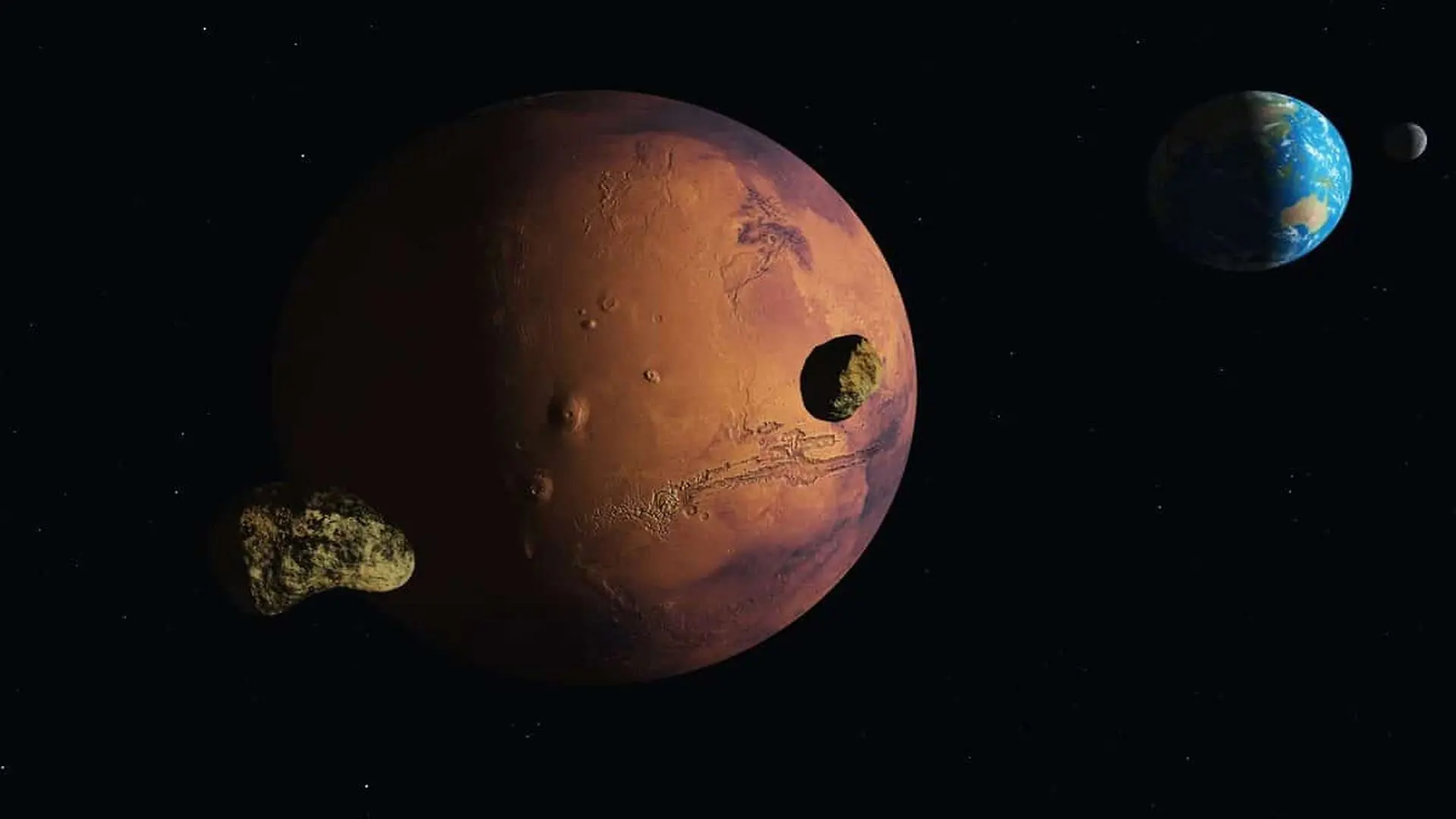
The long-standing hypothesis that comets acted as celestial delivery vehicles for the building blocks of life on Earth may be flawed. New research from the University of Cambridge suggests that the extreme velocities at which these icy bodies struck the early Earth likely obliterated the very organic molecules they were meant to deposit. The findings, published in Scientific Reports, shift the focus toward alternative theories for the origin of prebiotic chemistry.
High-Velocity Impacts Versus Fragile Chemistry
For decades, the narrative surrounding the origins of life has frequently centered on comets as rich reservoirs of carbon- and nitrogen-based compounds. Because these icy travelers carry the chemical precursors necessary for complex biological development, scientists hypothesized that they seeded the early planet during the tumultuous infancy of the solar system. By utilizing advanced computer simulations, the Cambridge team re-evaluated this scenario by modeling the dynamics of comet entry and surface impact.
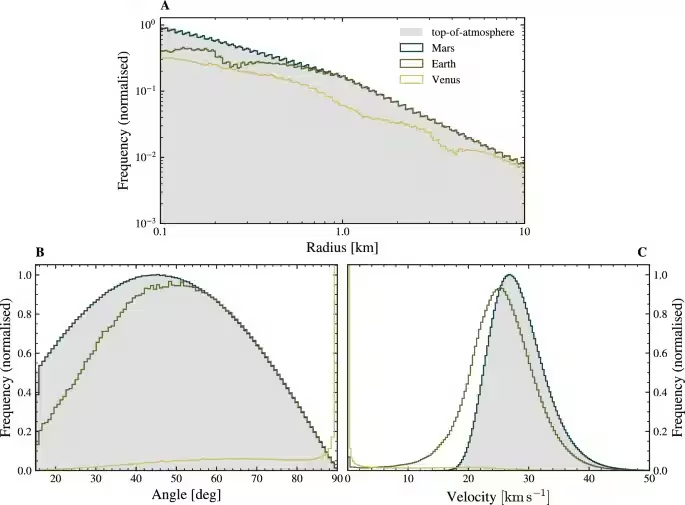
The core issue, according to the researchers, is the physics of the collision. To survive the transition from space to the surface, a comet must strike at a specific speed and angle—a “Goldilocks” scenario that is statistically improbable. The heat and kinetic energy generated during high-speed atmospheric entry typically vaporize or destroy delicate organic molecules before they can be integrated into the planet’s surface environment.
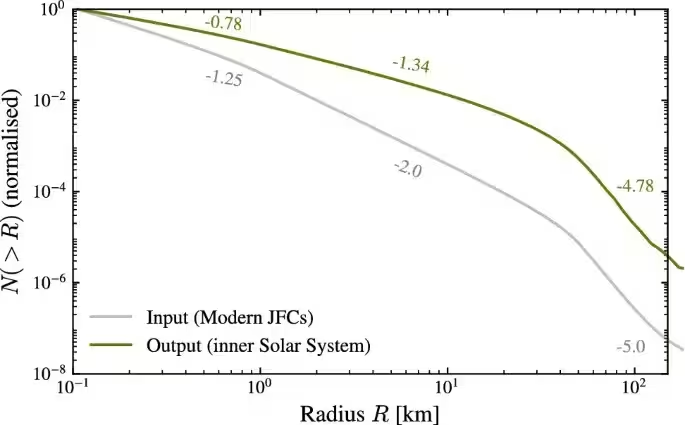
While previous work by Dr. Richard Anslow and his team in 2023 explored the possibility that gravitational interactions between planets might decelerate comets, this latest study indicates that such conditions were rarely met. “It’s kind of a romantic idea, but our results suggest it’s highly unlikely,” noted Anslow.
The Challenge of Chemical Viability
The study focused specifically on hydrogen cyanide (HCN), a vital molecule for the synthesis of more complex biological precursors. Even in the highly improbable event that a comet delivered a sufficient quantity of HCN intact, the window for these chemicals to participate in life-forming reactions is narrow. The researchers emphasize that for these molecules to be useful, they would need to exist in high concentrations and undergo rapid chemical conversion immediately following an impact.
The likelihood of these variables aligning is described by the researchers as a “one-in-a-million” occurrence. As the frequency of cometary bombardments dropped significantly after Earth’s first 500 million years, the reliance on such rare, high-stakes impacts becomes an increasingly fragile explanation for the origins of life.
Mars as a More Likely Candidate?
The study published in Scientific Reports also highlights that the environmental conditions of the early solar system might have been more hospitable for cometary delivery on Mars than on Earth. Due to its smaller mass and thinner atmosphere, Mars potentially offered a different impact profile. However, this does not confirm that life’s building blocks arrived on the Red Planet either; it merely highlights that the physical constraints were different.
“This is not to say it definitely happened on Mars, of course, but suggests it would be unlikely if it happened on Earth and didn’t happen on Mars,” Anslow said. “Or the other, perhaps more likely, alternative is that it didn’t happen on either planet.”
Given these results, scientists are shifting their attention to more probable mechanisms. It is possible that asteroids, which impacted Earth with greater frequency and different dynamics, provided a more reliable source of organic material. Alternatively, the foundational chemistry for life may have been generated through indigenous processes within the early Earth’s environment itself, requiring no exogenous assistance from icy visitors. While the exact spark for life remains unknown, the role of comets is now appearing far less certain.
This article has been fact checked for accuracy, with information verified against reputable sources. Learn more about us and our editorial process.
Last reviewed on .
Article history
- Latest version
Reference(s)
- “Richard Anslow | Institute of Astronomy.” <https://www.ast.cam.ac.uk/people/richard.anslow>.
- Anslow, Richard J.., et al. “Cometary impacts an unlikely pathway towards the origins of life on Earth.” Scientific Reports, vol. 16, no. 1, October 28, 2026 Springer Science and Business Media LLC, doi: 10.1038/s41598-026-74214-y. <https://dx.doi.org/10.1038/s41598-026-74214-y>.
Cite this page:
- Posted by David Anderson