How Pregnant Women Protect Their Health From Toxic News Cycles
A new study suggests that how pregnant women manage stressful news may impact their health more significantly than the stressful events themselves.
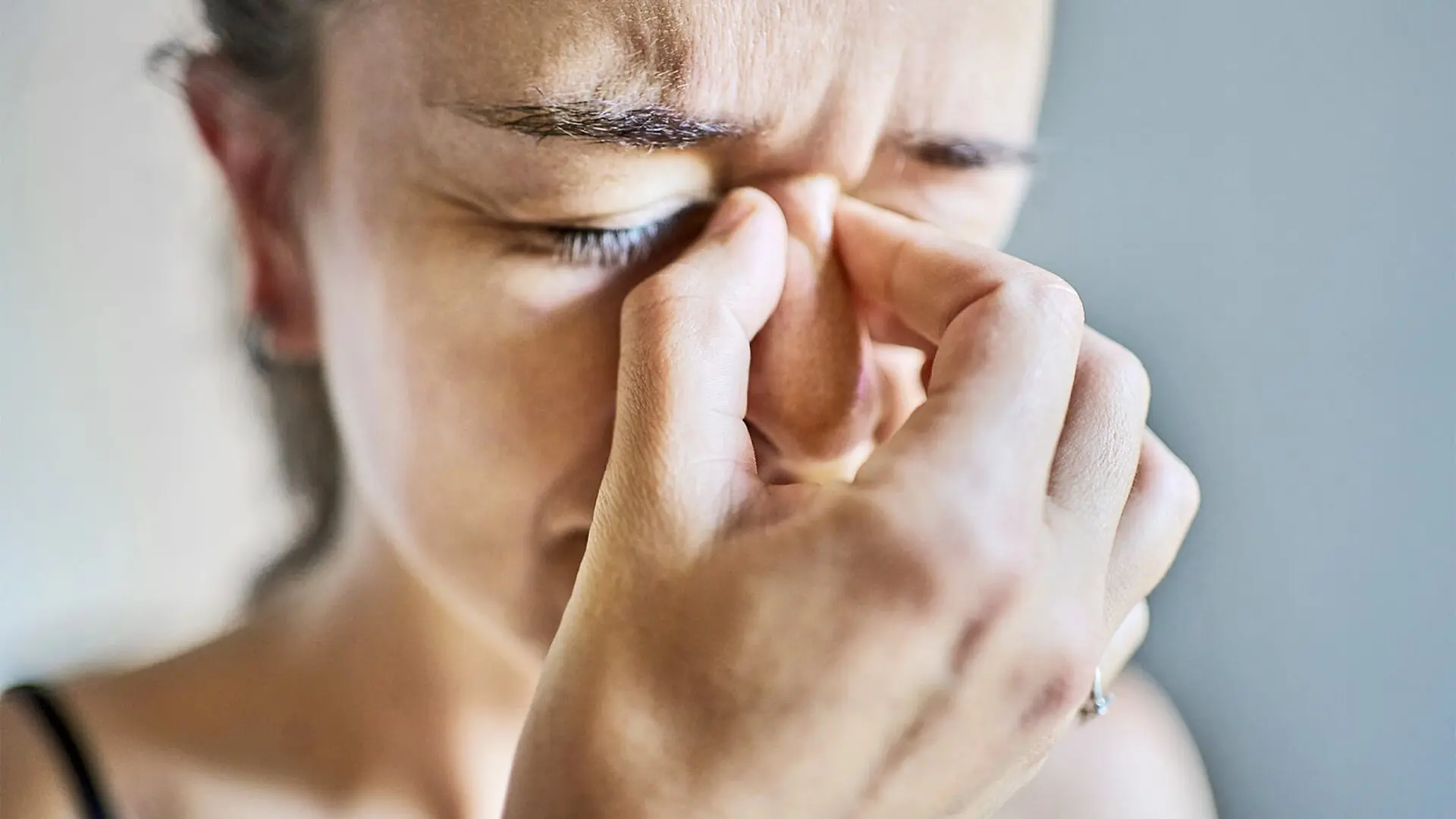
For many expectant mothers, the modern landscape of turbulent political climates and economic uncertainty creates a profound sense of anxiety. While high levels of stress during pregnancy are widely linked to adverse health outcomes, including preterm birth, a new study suggests that how a woman navigates and interprets these external pressures may be just as significant as the stressors themselves.
The research, published in the journal Social Science and Medicine, explores the psychological and physiological impacts of sociopolitical instability on maternal health. Lead author Kristine Joy Chua, an assistant professor of anthropology at the University of Notre Dame, notes that while the medical community understands that environment influences perinatal health, there has been a lack of research into the specific mechanisms women use to process these challenges.
Cultivating Resilience Through Cultural Agency
To better understand these dynamics, researchers conducted interviews with 21 pregnant women in the Philippines during 2021—a period marked by significant upheaval, including strict pandemic lockdowns, high rates of poverty, and intense state-level political conflicts. The study found that these women did not merely absorb external stress; instead, they employed nuanced, culturally grounded strategies to protect their well-being and their developing pregnancies.
The participants identified several effective methods for managing the psychological burden of news cycles and societal friction:
- Cognitive Reframing: By comparing their circumstances to others facing more severe hardships, such as extreme food insecurity, some mothers were able to view their own situations with a sense of perspective.
- Intentional Disengagement: Many women chose to actively avoid political debates and negative news, choosing to focus exclusively on their immediate environment and the health of their families.
- The Bahala Na Mindset: Rooted in Filipino culture, this philosophy—which translates roughly to “whatever happens, happens”—fosters a reliance on faith and a belief in one’s ability to endure, effectively lowering the perceived stakes of uncontrollable events.
- Finding Joy in the Present: A deliberate focus on family blessings and maintaining a positive emotional outlook served as a buffer against the pervasive nature of state-level stressors.
The Burden of Digital Information
The study highlights a critical intersection between technology and maternal mental health. Among the participants, 62% relied on social media as their primary source of news. This constant access to inflammatory or politicized discourse was identified as a major driver of elevated stress levels. However, those who learned to curate their digital intake or practice emotional detachment from these platforms reported better outcomes.
Chua emphasizes that documenting these coping mechanisms is not an attempt to minimize the severity of the stressors themselves. Rather, the research seeks to move beyond viewing pregnant women as passive recipients of environmental pressure. “Maternal and fetal health is influenced not only by medical care but also by the broader social and political environment,” Chua explains. “Politics definitely plays a significant role in shaping perinatal health.”
Future Directions in Maternal Health
The study serves as a foundational look at how politics are physically embodied during pregnancy. By demonstrating that individuals possess agency in how they respond to societal instability, the authors hope to encourage a more holistic approach to prenatal care—one that acknowledges the impact of the world outside the clinic walls.
As the researchers look ahead, they aim to investigate how these specific coping strategies correlate with the biological markers of stress and the long-term health of newborns. Understanding these interactions, they argue, is essential for improving maternal health support on both a local and global scale.
This article has been fact checked for accuracy, with information verified against reputable sources. Learn more about us and our editorial process.
Last reviewed on .
Article history
- Latest version
Reference(s)
- Chua, Kristine J.., et al. “Embodiment of sociopolitical stress during pregnancy and coping strategies among perinatal Filipina women.” Social Science & Medicine, vol. 405, September 1, 2026, pp. 119573 Elsevier BV, doi: 10.1016/j.socscimed.2026.119573. <https://doi.org/10.1016/j.socscimed.2026.119573>.
Cite this page:
- Posted by David Anderson