Common Chemicals May Alter Breast Development and Increase Cancer Risk in Hidden Ways
New research findings could fundamentally shift our understanding of cancer prevention strategies if validated by future studies.
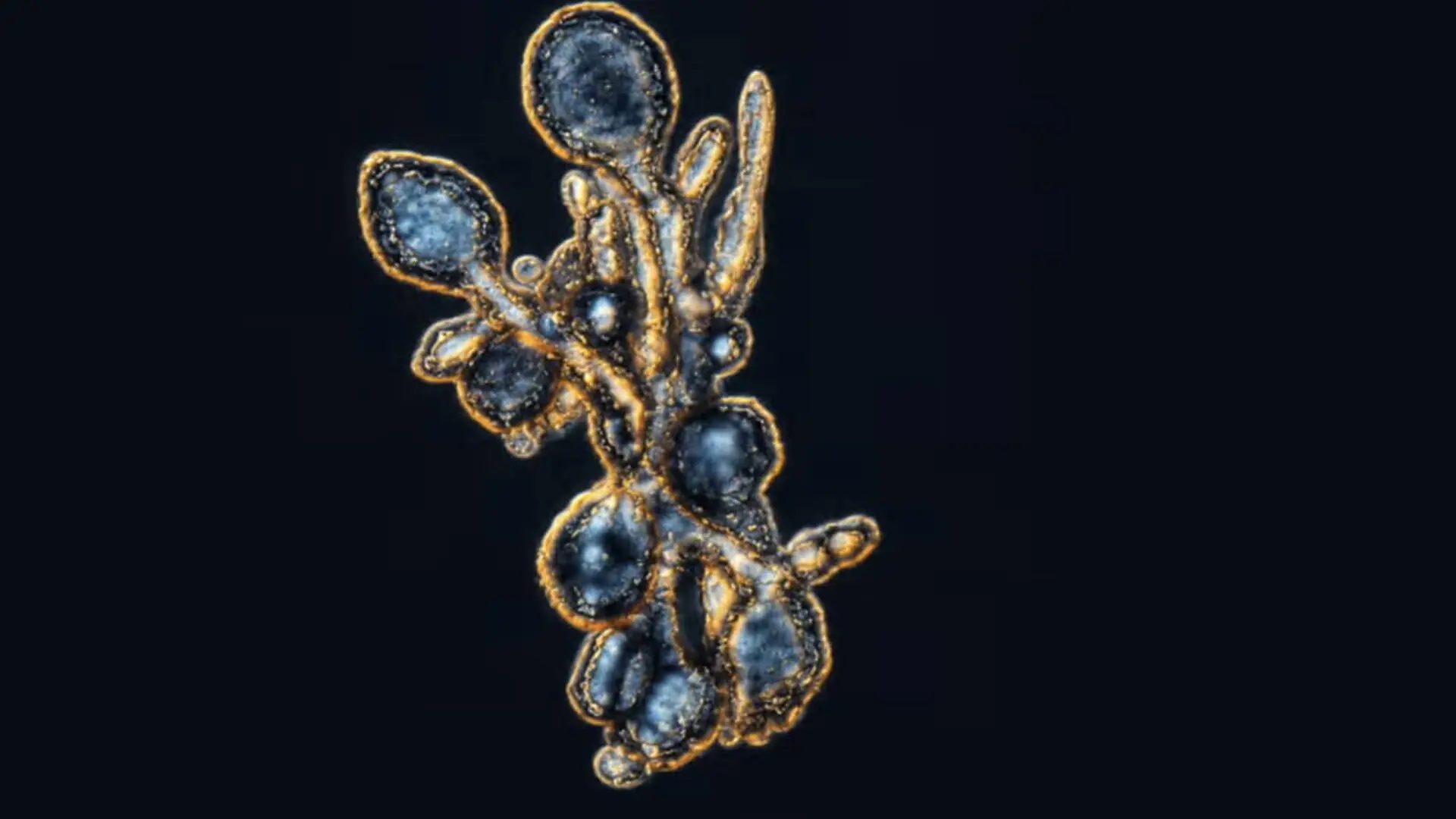
Chemical Cocktail Exposure Linked to Developmental Shifts in Human Breast Tissue
A novel study has revealed that exposure to common environmental chemicals, particularly when combined, can induce molecular alterations in human breast tissue. The research, published in the Proceedings of the National Academy of Sciences, highlights how mixtures of bisphenols may disrupt the healthy development of mammary cells, potentially creating long-term vulnerabilities to disease.
While the link between endocrine-disrupting chemicals and cancer risk has been a subject of intense scientific inquiry for years, much of the existing data relies on animal models or simplified cell cultures. This new approach utilized three-dimensional organoids—miniature, functional versions of tissue grown from samples donated by 13 healthy young women—to better mirror the complex, multi-stage development of the human breast.
Charlotte Kuperwasser, a professor at Tufts University School of Medicine and the study’s senior author, emphasizes that the breast is unique because it undergoes significant developmental milestones long after birth, specifically during puberty and pregnancy. This makes the tissue particularly susceptible to environmental interference during these critical windows.
The Synergistic Effect of Bisphenols
During a three-week developmental window, the researchers exposed these organoids to various substances, including known carcinogens, metabolic disruptors, and endocrine-active compounds. The most significant findings emerged from tests involving three common bisphenols: BPA, BPS, and BPF.
Although individual exposure to these chemicals triggered only minor molecular shifts, the researchers observed a dramatic effect when the compounds were combined. At low concentrations mirroring levels frequently found in human blood and urine samples, the mixture of bisphenols significantly disrupted the standard development of the organoids.
“We intentionally used concentrations of chemicals that were relevant to real-world exposure rather than the very high doses sometimes used in toxicology studies,” Kuperwasser explained. “We also tested a mixture of these because people are typically exposed to multiple chemicals at the same time.”
A Potential Signature for Future Disease
To understand the clinical relevance of these changes, the team compared the molecular patterns found in the exposed organoids against genetic data from human breast cancer patients. The patterns identified in the laboratory-grown tissues aligned closely with those found in patients with invasive lobular carcinoma, a form of breast cancer that is notoriously difficult to identify through traditional mammography.
While the study does not definitively prove that these chemicals cause cancer, it establishes a compelling new framework for understanding how early-life environmental exposures might act as a precursor to future illness. Rather than acting as direct carcinogens that damage DNA, these chemicals may instead modify the trajectory of normal tissue development, leaving behind a persistent molecular footprint.
Kuperwasser suggests that these modifications could function like a biological record, or a scar, of past environmental encounters. If confirmed by further research involving more diverse donor populations, these markers could one day serve as tools for assessing individual breast cancer risk, allowing for more personalized and effective screening strategies.
Future investigations are expected to expand the range of chemical mixtures tested to determine the broader implications of these findings for public health and disease prevention.
This article has been fact checked for accuracy, with information verified against reputable sources. Learn more about us and our editorial process.
Last reviewed on .
Article history
- Latest version
Reference(s)
- Parrish, Meadow., et al. “Environmental chemical mixtures reprogram mammary epithelial development to epigenetic states associated with breast cancer.” Proceedings of the National Academy of Sciences, vol. 123, no. 42, October 15, 2026 National Academy of Sciences, doi: 10.1073/pnas.2613054123. <https://doi.org/10.1073/pnas.2613054123>.
Cite this page:
- Posted by David Anderson