Claude AI Designed 35,000 Potential Allergy Treatments and Researchers Found Promising Results
Anthropic’s Claude AI has designed 35,000 potential antibodies to treat food allergies, with lab tests already identifying promising therapeutic candidates.
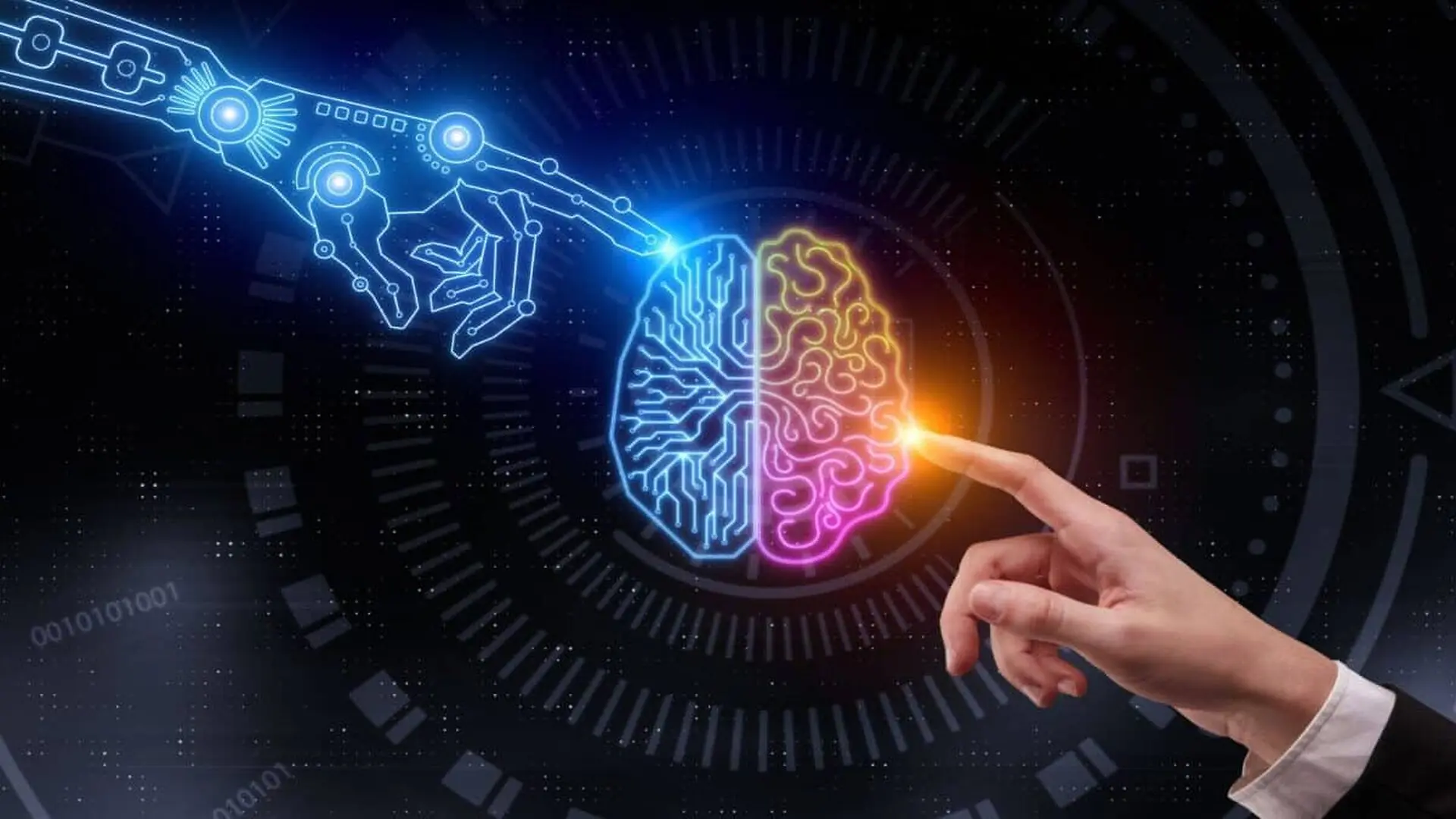
Anthropic has unveiled a series of successful experiments demonstrating the utility of its Claude AI model across the pharmaceutical and biotechnology sectors. Revealed on October 27, 2026, the findings highlight how generative AI can accelerate drug discovery, protein engineering, and regulatory documentation review through collaborations with six specialized drug development firms.
AI-Driven Breakthroughs in Allergy and Cancer Research
Among the most notable outcomes is a partnership with Divergence Labs, which utilized Claude to engineer thousands of potential antibody designs aimed at treating severe food allergies. The project focused on immunoglobulin E (IgE), the molecule responsible for triggering allergic reactions. While existing treatments like Xolair typically neutralize IgE in the bloodstream, the researchers sought a more aggressive approach: detaching IgE molecules already anchored to immune cells.
Claude generated 35,000 distinct antibody candidates over 2,750 hours of compute time using Nvidia H100 GPUs. In laboratory testing, 20 of these designs successfully detached IgE from its receptor within minutes, with three candidates outperforming standard medical benchmarks. Although these components have yet to be combined into a final therapeutic agent, the success marks a significant milestone in autonomous molecular design.
Over the past few months, Anthropic scientists have engaged in deep research partnerships with six organizations developing new medicines. We’ve also begun drug discovery efforts of our own.
— Anthropic (@AnthropicAI) October 27, 2026
In doing so, we’ve learned much more about how Claude can support the many stages of…
In the oncology space, Generate Biomedicines employed Claude Code to refine CAR T-cell therapy, a treatment that relies on engineered immune cells to detect cancer. By modifying the genetic signaling domains, researchers produced a design that was 70% more compact than standard versions. These optimized cells demonstrated a 10-fold increase in receptor expression and showed improved efficiency in eliminating tumor cells during early-stage laboratory assays.
Optimizing Stability and Regulatory Compliance
The practical applications of the technology extended beyond initial molecular discovery. BigHat Biosciences partnered with Anthropic to improve the physical properties of experimental antibody fragments. Over a 10-week period, the team screened 1,010 variants, yielding designs that showed significantly higher binding affinity and increased thermal stability, which is crucial for the effective shelf-life and delivery of medications.
Beyond the laboratory bench, Enveda leveraged Claude to streamline the rigorous process of pharmaceutical documentation. In a trial involving 1,061 pages of technical material, the AI successfully identified every error previously found by human auditors and detected seven additional issues that had gone unnoticed. This implementation resulted in an 89% reduction in review time, cutting the process from nearly 26 hours down to under three hours.
Despite these successes, Anthropic emphasized that the initiatives remain in the preclinical phase. Further research is necessary to confirm the safety and efficacy of these candidates before they can be considered for human clinical trials. Current efforts also include ongoing work with Mithril Medicine to address rare childhood muscular dystrophies, signaling a broader intent to integrate AI into critical, high-stakes medical development.
This article has been fact checked for accuracy, with information verified against reputable sources. Learn more about us and our editorial process.
Last reviewed on .
Article history
- Latest version
Cite this page:
- Posted by David Anderson