Why Permanent Daylight Saving Time Could Be A Dangerous Mistake For Your Health
As clocks change this weekend, an NYU expert explains why permanent daylight saving time could be detrimental to your long-term health and sleep cycles.
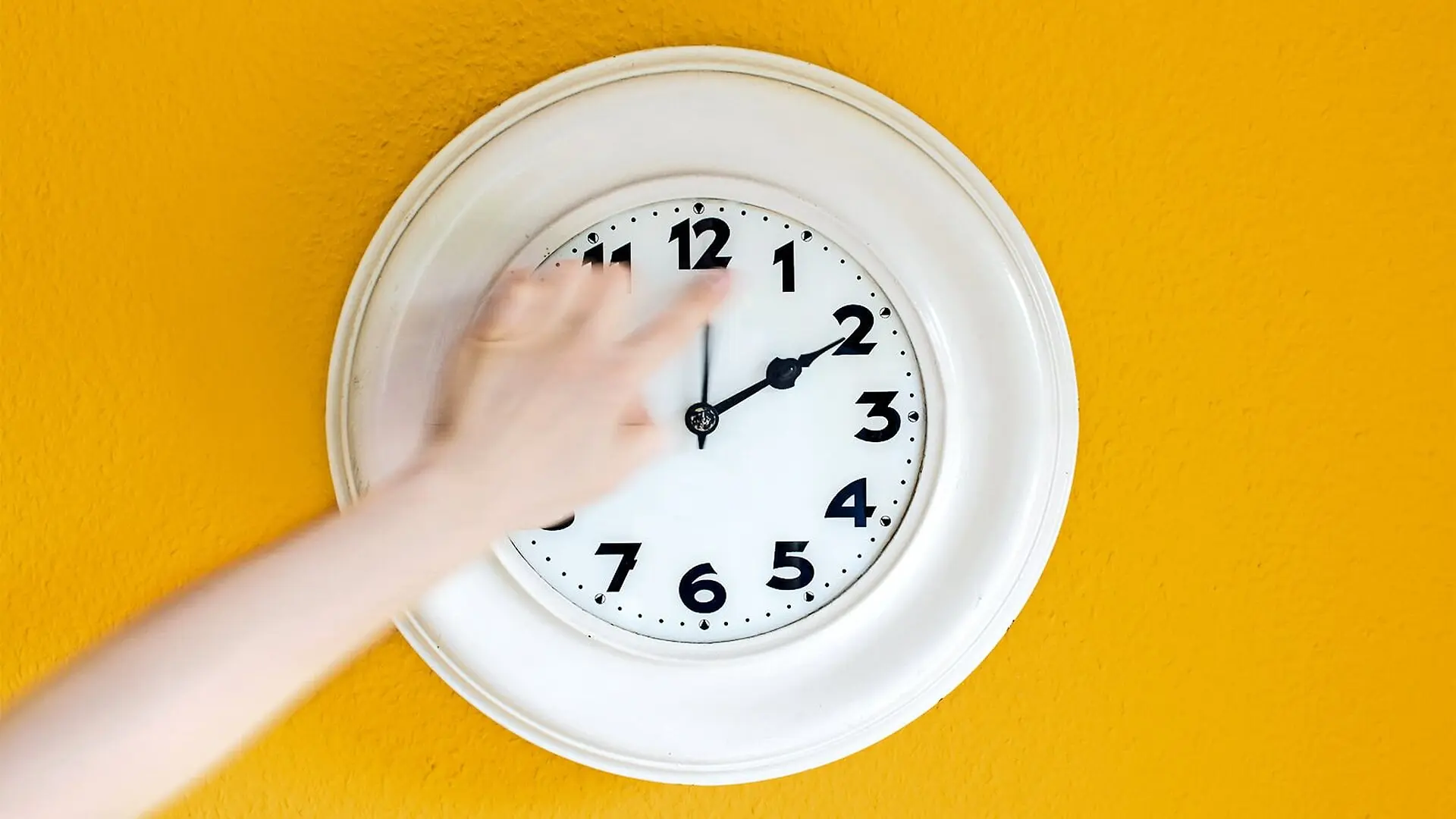
The Biological Toll of Permanent Daylight Saving Time
As the nation prepares to set clocks back this Sunday, the perennial debate regarding the merits of seasonal time changes has regained momentum. While the House of Representatives recently advanced the Sunshine Protection Act—a legislative move aimed at cementing daylight saving time as the year-round standard—experts in sleep science warn that such a shift could have unintended consequences for public health.
Contrary to popular belief, historical data suggests that extending daylight saving time fails to deliver promised gains in energy efficiency or workplace productivity. Instead, chronobiologists argue that the current practice of toggling between time zones is already disruptive, and locking in daylight saving time could permanently exacerbate those issues by misaligning human physiology with the solar cycle.
Susan Kohl Malone, an assistant professor at the New York University Rory Meyers College of Nursing, emphasizes that human biology functions best when our internal clocks are synchronized with natural light patterns. According to Malone, the shift toward a later sunrise inherent in permanent daylight saving time would inhibit the essential morning light exposure needed to regulate wakefulness and circadian rhythms.
“We need morning sunlight to get us up and going,” Malone notes. “Changing clock times is not good for us, but the bill now in the Senate would lock Americans out of sync with the sun.”
The health risks associated with our current biannual clock adjustments are well-documented. Research consistently shows that the immediate transition in the spring, which results in the loss of an hour of sleep, is correlated with spikes in cardiovascular events and a higher incidence of vehicular accidents. Malone warns that while the appeal of brighter winter evenings is understandable, it represents a poor trade-off for the increased grogginess and health complications that would follow the loss of daylight during winter mornings.
For sleep scientists, the focus remains on prioritizing biological harmony over the convenience of extended evening light. As the legislative process continues, the medical community remains concerned that adopting permanent daylight saving time may favor social preference at the expense of long-term wellness.
This article has been fact checked for accuracy, with information verified against reputable sources. Learn more about us and our editorial process.
Last reviewed on .
Article history
- Latest version
Cite this page:
- Posted by David Anderson