One Blistering Sunburn Can Raise Lifetime Skin Cancer Risk: What You Need to Know
A single severe sunburn can harm skin‑cell DNA and raise your future skin‑cancer risk, highlighting the long‑term dangers of UV exposure.
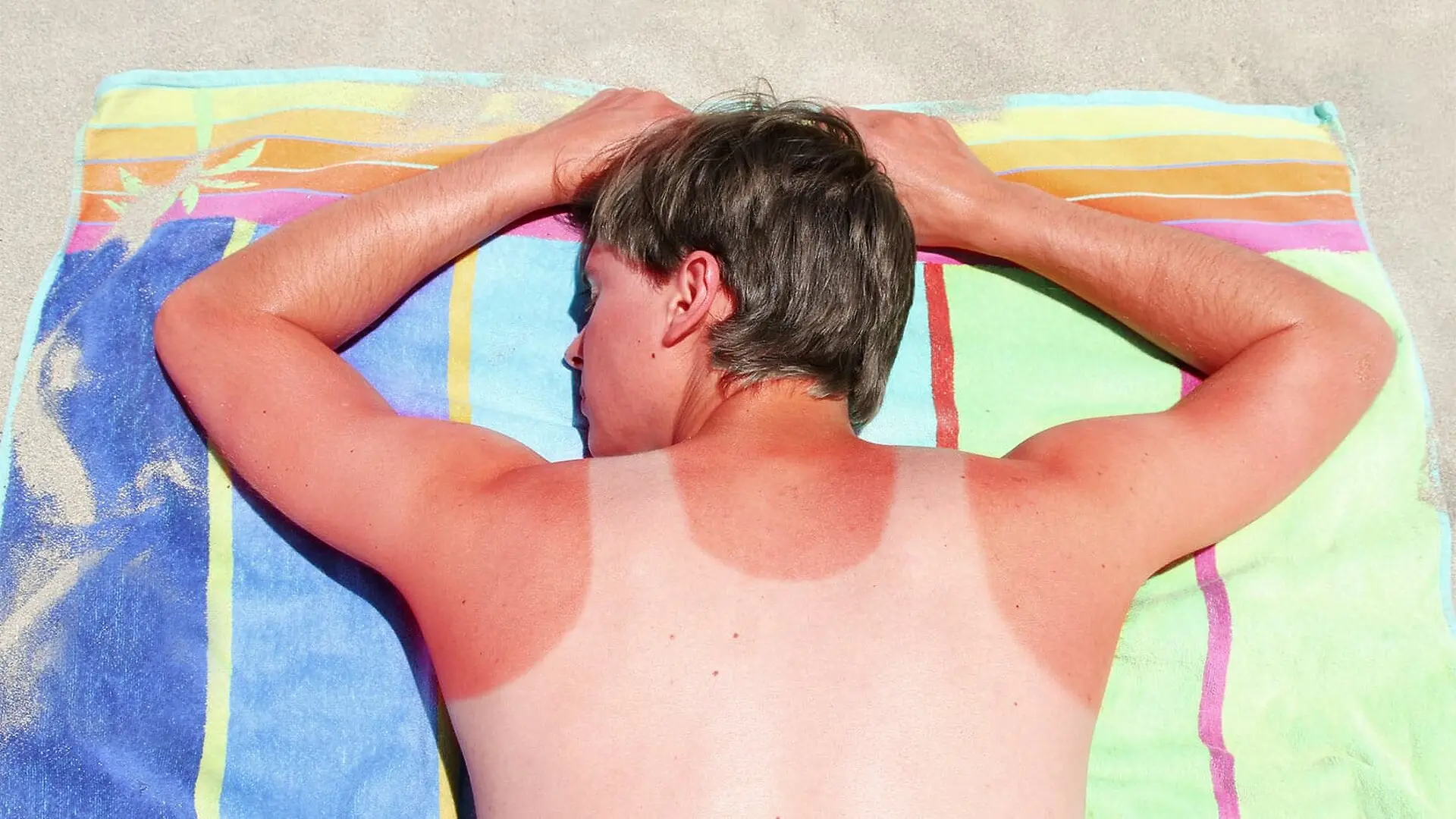
When a sunburn burns deep enough to blister, the injury can set off a cascade of cellular changes that persist long after the skin heals, potentially influencing cancer risk for decades.
How a Single Blistering Burn Can Influence Long‑Term Health
Ultraviolet radiation penetrates the skin and alters the genetic material within its cells. The body’s repair mechanisms sometimes introduce errors during the healing process, which may accumulate over time.
“Repair mistakes can happen, and those missteps may eventually contribute to skin cancer development,” says Adrienne Victor, oncologist at the University of Rochester Medicine Wilmot Cancer Institute.
Studies indicate that even one intense blistering episode can raise an individual’s lifetime likelihood of developing certain skin cancers, underscoring the seriousness of such burns.
Why Young Skin Faces Greater Risks
Children and adolescents are especially prone to lasting damage because their pigment‑producing cells are still maturing, they often spend more time outdoors, and they may use sun protection inconsistently.
“The combination of biological factors and behavioral exposure makes youngsters vulnerable, and repeated childhood burns correlate with higher cancer rates later on,” explains Jinia El‑Feghaly, chief of pediatric dermatology at University of Rochester Medicine Golisano Children’s Hospital.
Effective Care for Severe Sunburns
Mild reddening may subside within a few days, but deeper injuries often require a week or more of recovery. Applying cool compresses, staying hydrated, and using suitable moisturizers can alleviate pain.
Peeling signals that damaged cells are shedding, yet it does not guarantee full restoration beneath the surface.
When blisters form, it is crucial to avoid rupturing them to prevent infection. Anyone experiencing extensive blistering, intense pain, fever, or other concerning signs should seek medical evaluation promptly.
Preventive Measures to Lower UV‑Related Cancer Risk
Shielding skin before UV exposure occurs remains the most reliable defense against lasting harm. Experts advise combining multiple protective tactics whenever outdoors, such as:
- Applying broad‑spectrum sunscreen
- Wearing UV‑blocking clothing
- Donning hats that shade the face and neck
- Seeking shade, especially during peak sunlight hours
- Limiting direct sun exposure when UV indices are highest
“Some individuals shy away from sunscreen due to misconceptions about its ingredients, but the dominant factor driving most skin cancers is UV exposure itself,” Victor notes.
The Fitzpatrick skin‑type classification outlines how different skin tones react to sunlight, yet cancer can arise in any category, reinforcing the need for universal protection.
This article has been fact checked for accuracy, with information verified against reputable sources. Learn more about us and our editorial process.
Last reviewed on .
Article history
- Latest version
Reference(s)
- “Adrienne Victor, M.D., M.S. | URochester Medicine.” University of Rochester Medicine <https://www.urmc.rochester.edu/people/112361535-adrienne-victor>.
- “Jinia El-Feghaly, M.D. | URochester Medicine.” University of Rochester Medicine <https://www.urmc.rochester.edu/people/112363413-jinia-el-feghaly>.
Cite this page:
- Posted by David Anderson