Japan’s One-Person Human Refrigerator Finds First Users In Worksites And City Halls
Japan’s odd ’human refrigerator’ chills a person in minutes, highlighting how soaring summer heat is changing everyday life.
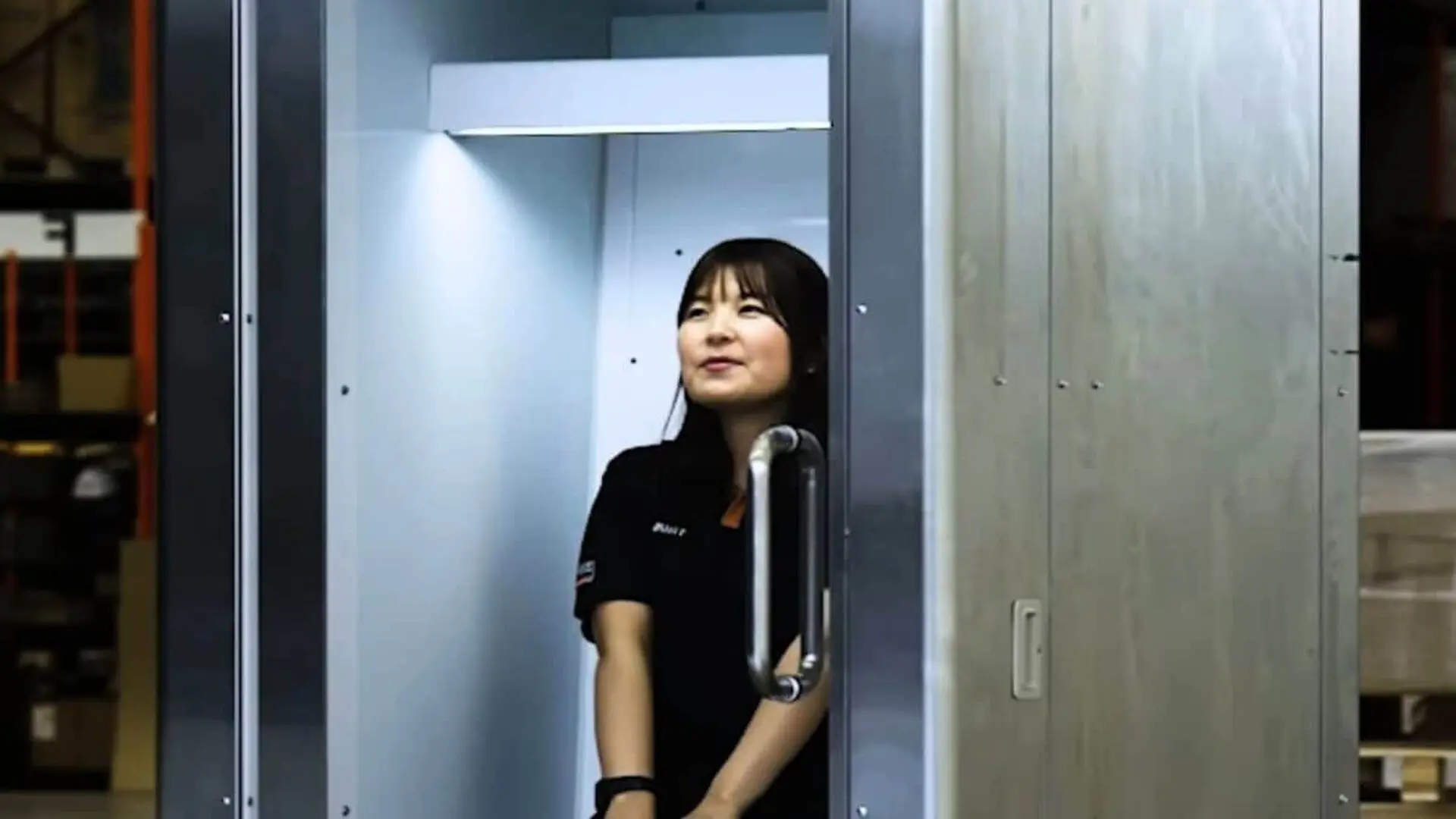
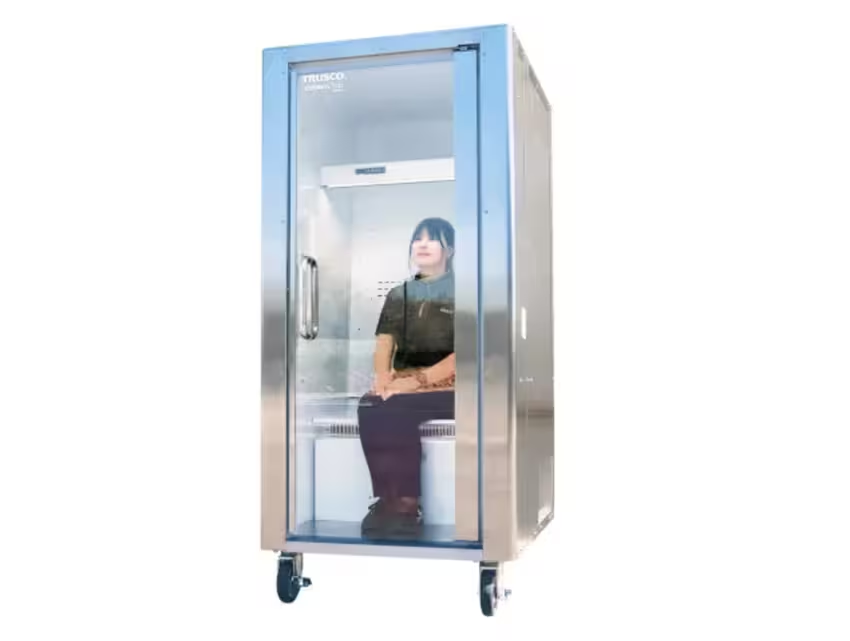
A compact, refrigerator‑shaped enclosure that accommodates a single occupant has entered the Japanese market as a rapid‑cooling solution for workers and the public facing increasingly oppressive summer heat. Marketed as a “human refrigerator,” the Do Hiemon Box is the product of refrigeration and vending‑machine specialist SDRS and is sold via industrial‑equipment supplier Trusco Nakayama.
Drawing on its experience with chilled vending machines, SDRS engineered the unit to mirror the dimensions of a typical Japanese vending machine, a deliberate choice that simplifies placement and transport. The result is a wheeled, stand‑alone cabin that can be used indoors or outdoors without any permanent installation.
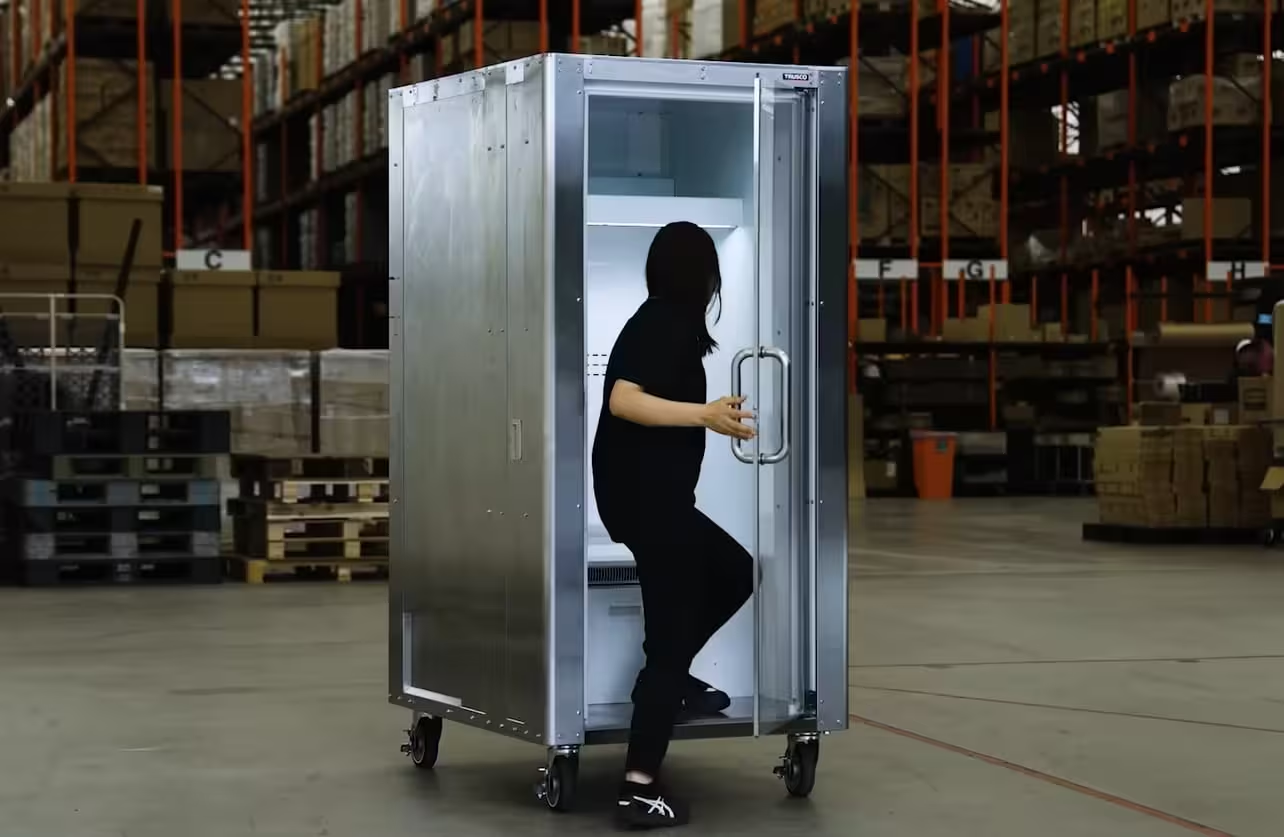
Launched in April, the booth has already begun appearing in a range of public venues across Japan, with early adopters that include private enterprises and municipal authorities.
How the Cabin Regulates Temperature
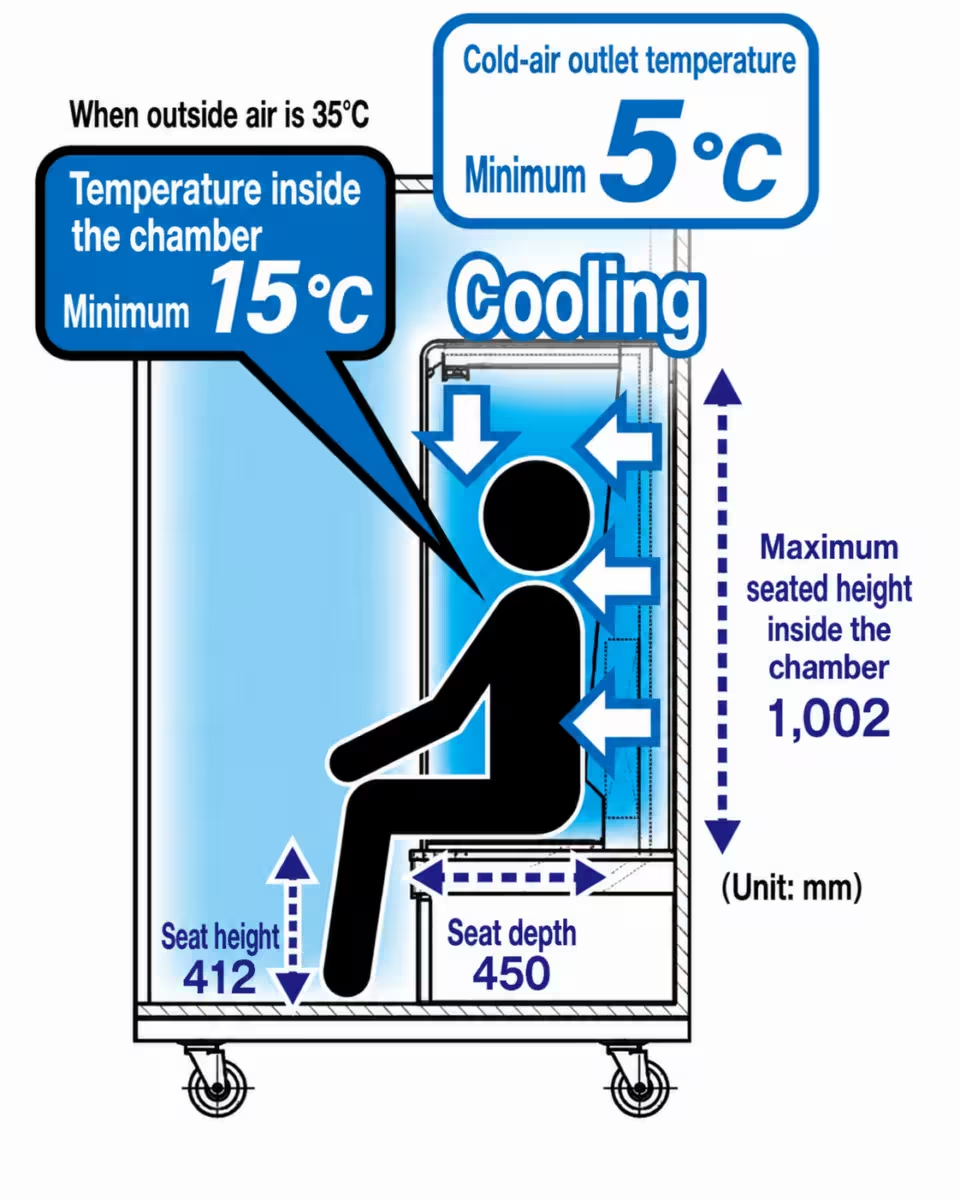
When the door is sealed, the interior quickly settles at 15 °C (59 °F). A built‑in seat positions the user so that chilled air, roughly 5 °C, is directed toward the head, neck, shoulders and back, creating an immediate cooling envelope around the upper body.
Manufacturers claim that most users begin to feel a perceptible drop in heat stress within five minutes, while a ten‑minute session may aid in alleviating mild heat‑exhaustion symptoms, though the effect is presented as a possible benefit rather than a guarantee.
To avoid excessive cooling, the system automatically powers down after 20 minutes. Users can select from three airflow and temperature settings, tailoring the intensity to their comfort level. The unit consumes roughly half the electricity of a conventional spot air conditioner, a selling point for sites that may operate multiple cabinets simultaneously.
Because it rests on wheels and needs no fixed wiring, the Do Hiemon Box can be shifted between locations—such as a warehouse floor, an outdoor loading dock, or a break‑area—allowing employers to deploy it wherever workers need rapid relief. A demonstration video is embedded below.
Designed Primarily for Heat‑Exposed Workforces
SDRS targets construction sites, manufacturing plants, storage facilities, and outdoor event locations—environments where personnel often lack reliable air‑conditioning and can benefit from brief, intensive cooling periods.
Distributed through industrial equipment channels nationwide, the booth is positioned as a professional‑grade tool rather than a household appliance. The base model carries a price tag of 1.5 million yen (about US $9,300) plus tax, placing it beyond the budget of typical private consumers.
One example of public sector adoption is the installation at Maebashi City Hall in Gunma Prefecture, where a donated unit is available to visitors free of charge during opening hours, underscoring municipal interest in the technology.
Escalating Heat Waves Spur Innovation in Japan
Japan has recently coined a new term for days when temperatures climb above 40 °C, reflecting a trend that is no longer exceptional. On July 15, 48 individuals required hospitalization for heatstroke in Tokyo alone, a statistic that has driven both private firms and local governments to explore alternatives to standard air‑conditioning.
Heatstroke—characterized by the body’s inability to maintain core temperature—poses a heightened risk for outdoor laborers and workers in poorly ventilated industrial settings, precisely the demographic the Do Hiemon Box aims to protect. The built‑in 20‑minute auto‑shutoff reflects an awareness of the balance between rapid cooling and potential over‑cooling hazards.
This article has been fact checked for accuracy, with information verified against reputable sources. Learn more about us and our editorial process.
Last reviewed on .
Article history
- Latest version
Reference(s)
- “ど冷えもんBOX|TRUSCO トラスコ中山株式会社.” トラスコ中山株式会社 <https://www.trusco.co.jp/lp/dohiemon/>.
Cite this page:
- Posted by David Anderson