Why The 1954 Castle Bravo Test Still Fuels Cancer Fears In The Marshall Islands
Scientists continue to trace hidden damage from a nuclear test that spread radioactive fallout across Pacific islands 70 years ago.
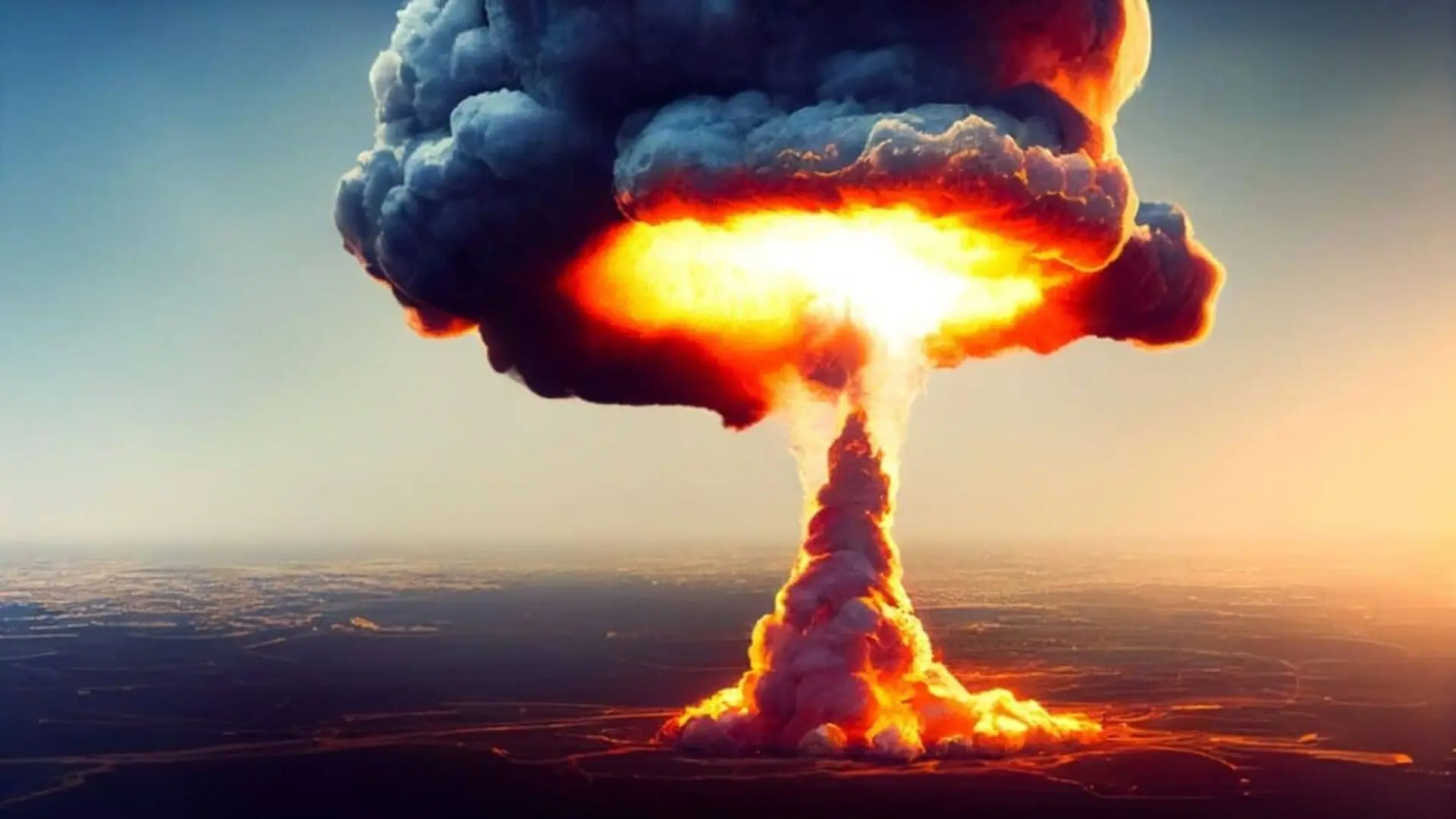
A few hours after the United States detonated the Castle Bravo thermonuclear device on 1 March 1954, a fine radioactive dust began to drift over Rongelap Atoll. The particles settled on houses, clothing, food, water and exposed skin, exposing residents—especially children who played with the powder—to the fallout from the most powerful U.S. nuclear explosion ever conducted.
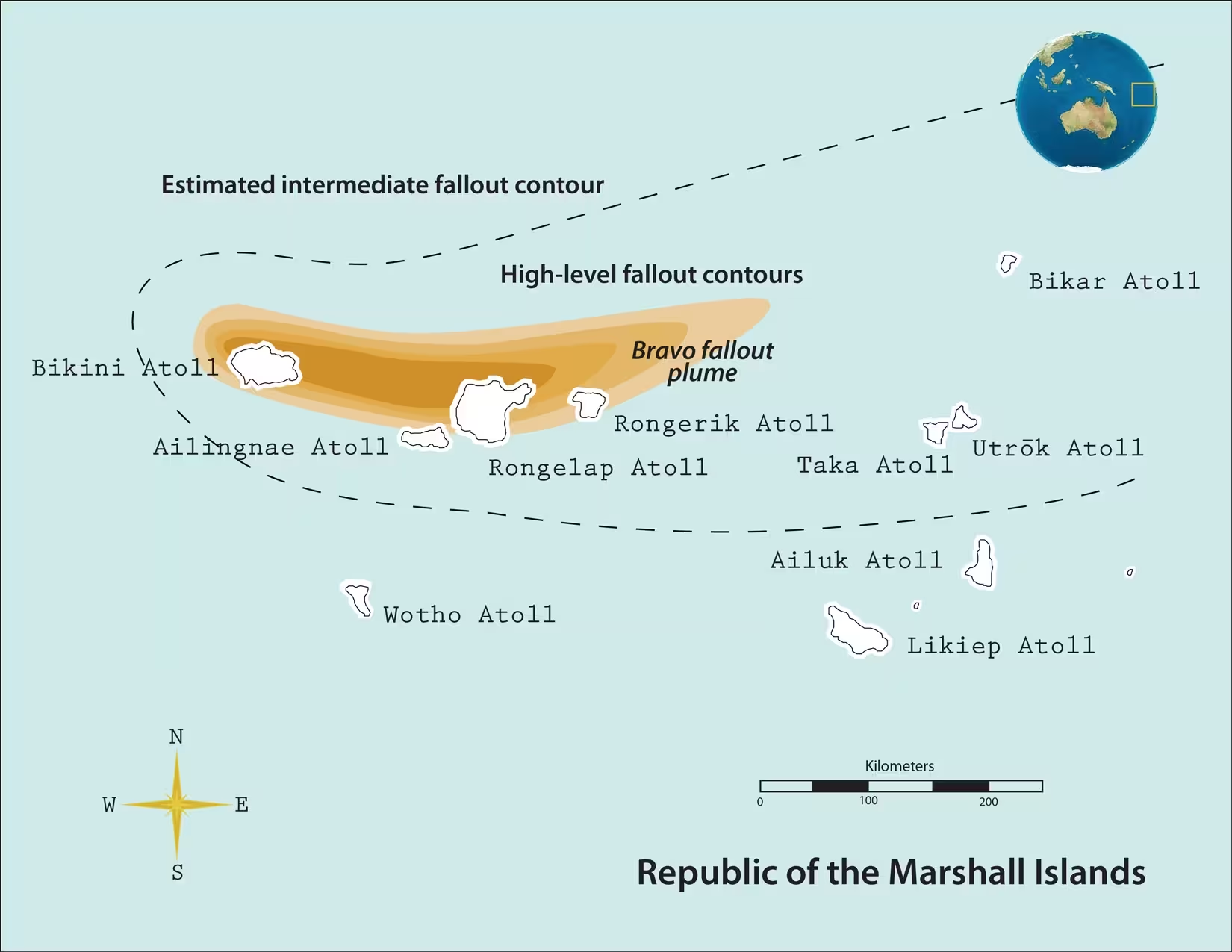
The blast, detonated at Bikini Atoll, released roughly 15 megatonnes of energy—almost three times the yield anticipated by the planners. The explosion vaporized an estimated ten million tons of coral, sand and seawater, propelling a contaminated plume across inhabited islands, U.S. military outposts and a Japanese fishing boat. In the aftermath, more than 230 people from Rongelap, Rongerik and Utrik were eventually evacuated, although many had already spent several hours in the fallout zone, as documented by the Marshall Islands radiological program.
Among the atolls surveyed, Rongelap—located about 110 miles from the detonation—recorded the highest levels of exposure. Early medical assessments noted skin irritation, hair loss, eye discomfort and altered blood‑cell counts. A later reconstruction of radiation doses across the Marshall Islands revealed stark variations in projected cancer risk based on location, age and the amount of fallout deposited on each atoll.
Unexpected Yield Redefined the Hydrogen‑Bomb Era
Castle Bravo followed the earlier Ivy Mike test, which exploded on 1 November 1952 at Enewetak Atoll. Ivy Mike employed liquid deuterium as fusion fuel and required massive refrigeration equipment, resulting in a device over 20 feet tall and weighing more than 140,000 pounds—far too heavy for aerial deployment. Its 10.4‑megaton blast obliterated Elugelab Island and created a deep underwater crater, marking a pivotal moment in the early hydrogen‑bomb program as recorded in historical analyses.
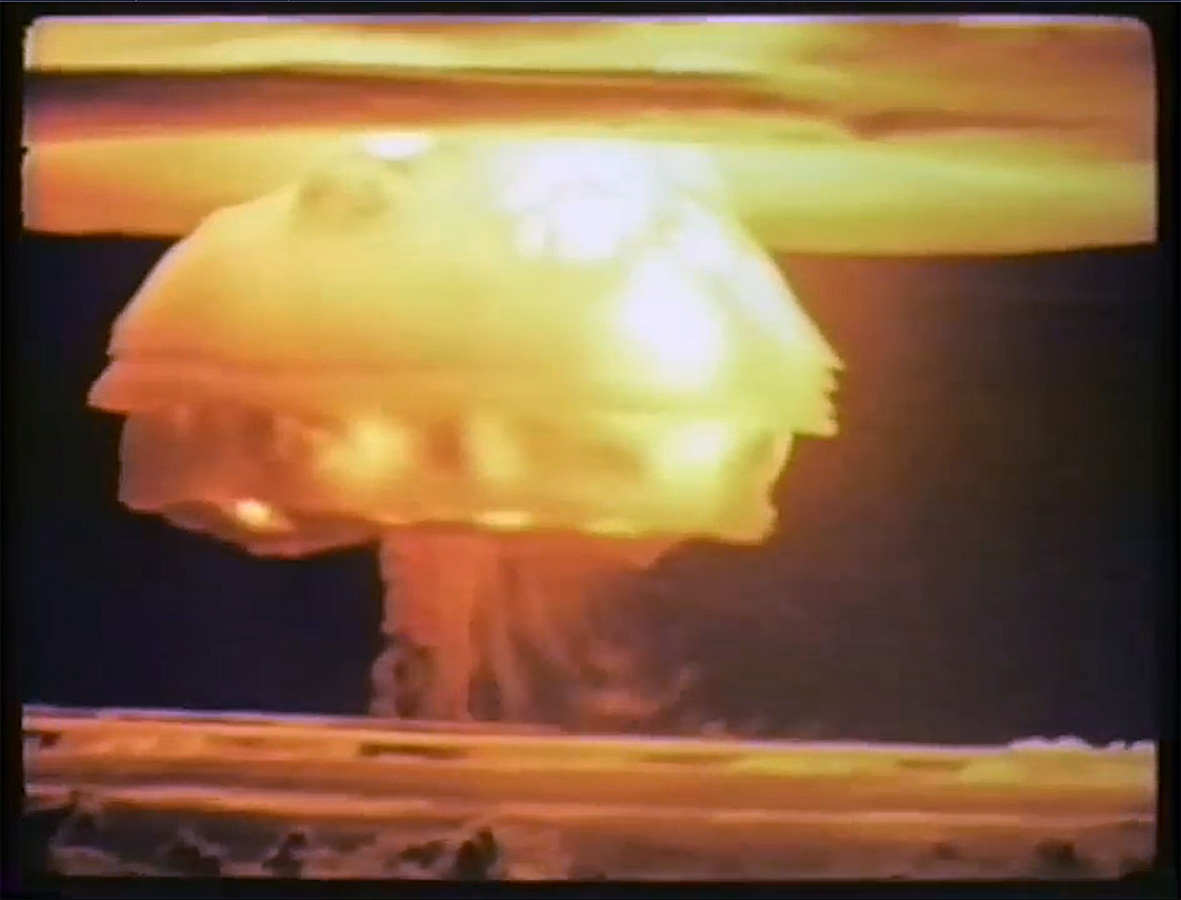
Designers then turned to a lithium‑based solid fuel, hoping to create a more portable thermonuclear weapon. The device, nicknamed “Shrimp,” incorporated this fuel, but planners misjudged how much of it would actually fuse. The resulting explosion reached 15 megatonnes—roughly 1,000 times the energy of the Hiroshima bomb—according to the declassified Castle Bravo record. The unexpectedly high yield amplified both the quantity of radioactive debris and the distance it traveled, making Castle Bravo the largest of the 67 U.S. nuclear tests conducted in the Marshall Islands between 1946 and 1958.
Fallout Reached Communities Within Hours
The radioactive cloud moved eastward from Bikini, depositing fallout on Rongelap, Ailinginae, Rongerik and Utrik. On Rongelap, the plume arrived about five hours after the initial flash, coating residents and their surroundings with a salt‑like powder. The atoll’s lightweight, open‑frame homes offered virtually no barrier against airborne particles.
A declassified medical study of the exposed populations documented the experience of the fallout. Rongelap inhabitants described a fine, salt‑like film on their skin, while U.S. personnel on Rongerik referred to it as a “mist‑like” substance. Early symptoms included burning sensations, itching and eye irritation; however, the most visible injuries—such as skin lesions—took up to two weeks to manifest according to the report.
Skin lesions emerged on exposed areas—scalp, neck, feet, arms and legs—about 12 to 15 days after the event, with the most severe damage observed on the feet. Hair loss was especially pronounced among children: more than 90 percent of Rongelap residents under 15 experienced epilation, compared with just 28 percent of older adults.
Japanese Fishing Vessel Caught in the Fallout
The radioactive cloud also settled on the Japanese tuna‑fishing ship Lucky Dragon No. 5 (Fukuryu Maru). While operating outside the declared test zone, the vessel’s deck and equipment became contaminated, leading to radiation‑induced illness among its 23 crew members and the death of one sailor. The incident thrust the consequences of Pacific nuclear testing into the Japanese public consciousness and heightened concerns about contaminated seafood.
Declassified records trace the chain of events—from initial contamination reports and evacuation decisions to diplomatic communications with Japan, compensation negotiations, and repeated delays in returning Rongelap residents because radiation levels remained unsafe as documented in the archive.
Exposure occurred through multiple pathways: external irradiation from particles settled on surfaces, inhalation of contaminated air, ingestion of tainted water and food, and dermal contact with fallout‑laden dust. While proximity to the blast influenced dose, factors such as wind direction, duration spent in contaminated zones, housing type, diet and age also played critical roles.
Radiation‑Linked Cancer Risks Peak in Northern Atolls
Researchers later combined historical monitoring data, weather records, environmental measurements and fallout modeling to reconstruct radiation doses across the Marshall Islands. The National Cancer Institute’s analysis covered all inhabited atolls and 20 tests that generated measurable fallout, estimating cancer incidence among more than 25,000 Marshallese who lived between 1948 and 1970 as detailed in the study.
The most pronounced risk appeared in the northern atolls. Of the 82 Rongelap residents present at the time of exposure, the institute projected that roughly 55 percent of subsequent cancers could be attributed to fallout. In contrast, the estimated contribution was 10 percent for 157 individuals on Utrik, about 2 percent for Kwajalein residents, and around 1 percent for those on Majuro.
Across the entire cohort, the assessment suggested approximately 170 excess cancers—about 1.6 percent of all cancers expected in the group. Predicted cases include thyroid, stomach and colon cancers as well as leukemia. Thyroid cancer received particular attention because radioactive iodine tends to accumulate in the gland, and children typically absorbed higher thyroid doses than adults.
The Marshall Islands radiological monitoring program continues to track contamination and radiation exposure among resettled populations. Cesium‑137 has emerged as the dominant contributor to human‑made radiation dose on the islands today, entering the body through contaminated soils, water and locally produced foods.
This article has been fact checked for accuracy, with information verified against reputable sources. Learn more about us and our editorial process.
Last reviewed on .
Article history
- Latest version
Reference(s)
- “The Marshall Islands Program.” <https://marshallislands.llnl.gov/>.
- ““Mike” Device is Tested.” <https://www.atomicarchive.com/history/hydrogen-bomb/page-13.html>.
- “Castle BRAVO at 70: The Worst Nuclear Test in U.S. History.”, February 29, 2024 <https://nsarchive.gwu.edu/briefing-book/nuclear-vault/2024-02-29/castle-bravo-70-worst-nuclear-test-us-history>.
- <https://www.dtra.mil/Portals/125/Documents/NTPR/newDocs/NTREReport/WT-923-Proj%204.1%20Response%20of%20Humans%20Accidentally%20Exposed%20to%20Significant%20Fallout%20Radiation%20Op%20CA.pdf>.
- “Commanders Report Operation Castle.” <https://nsarchive.gwu.edu/sites/default/files/2024-02/commanders_report_operation_castle.jpg>.
- “Marshall Islands Research Project and Findings.” <https://dceg.cancer.gov/research/how-we-study/exposure-assessment/nci-dose-estimation-predicted-cancer-risk-residents-marshall-islands>.
Cite this page:
- Posted by David Anderson