Why Eye Pain Could Be Your First Clue That It’s Dengue, Not the Flu
Dengue often resembles other fevers early, but a unique symptom and red‑flag signs alert patients to seek urgent medical care.
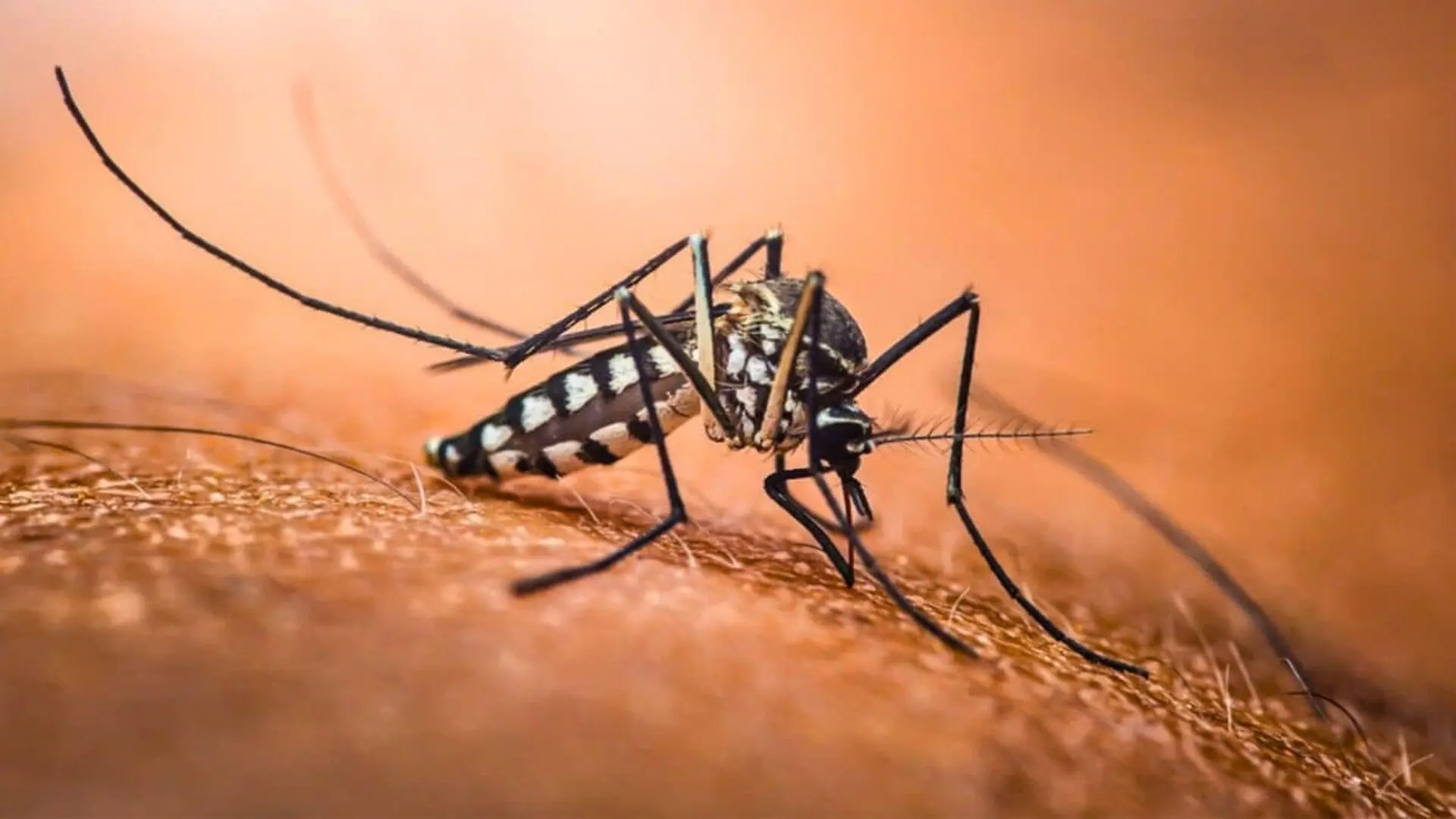
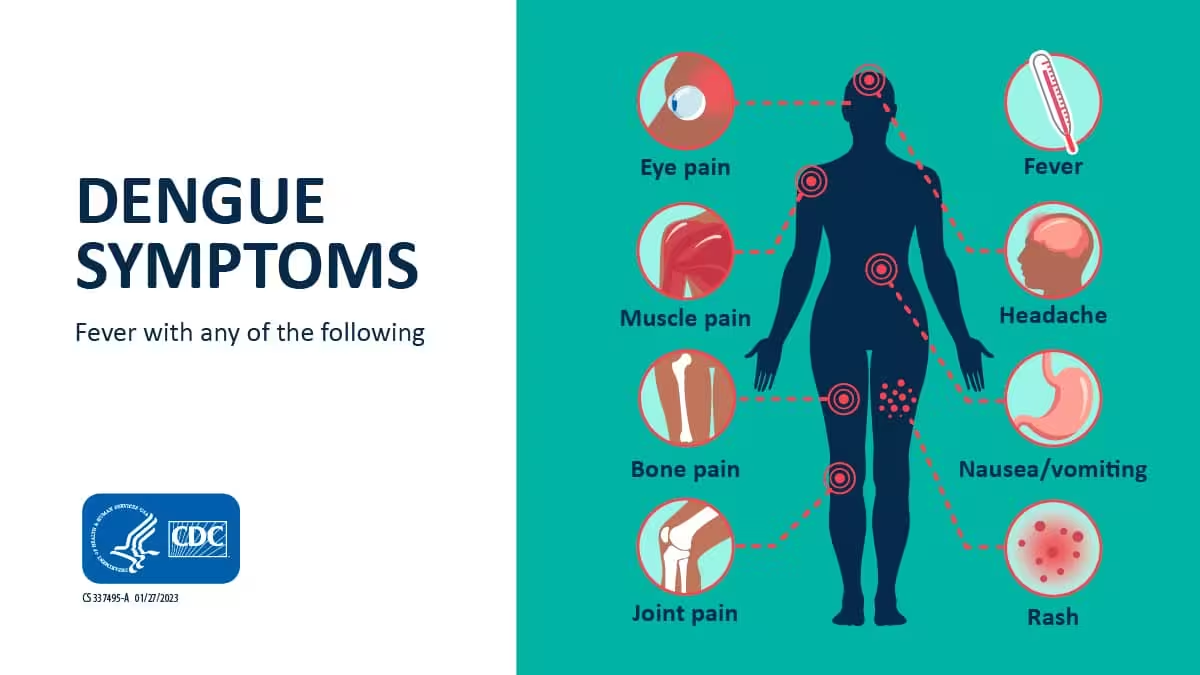
A sudden spike in body temperature often comes with an intense headache, nausea, aches in muscles and joints, vomiting, or a rash. While these manifestations are classic for dengue fever, they can also mimic a range of other febrile illnesses, especially when the infection is mild.
Because many viral and bacterial diseases share these signs, distinguishing dengue based solely on clinical presentation can be challenging. The U.S. Centers for Disease Control and Prevention notes that early-stage dengue may be mistaken for other infections.
One symptom highlighted by both the CDC and the World Health Organization is pain behind the eyes. This discomfort often appears together with fever, headache, and body aches, but on its own it does not confirm dengue. The CDC stresses that a laboratory blood test is required for definitive diagnosis.
Eye‑Pain as a Flag for Dengue Infection
According to the World Health Organization, most dengue infections result in either mild symptoms or remain asymptomatic. When illness does emerge, symptoms typically start four to ten days after the mosquito bite and persist for two to seven days.
The WHO lists a high fever that can reach 40 °C, severe headache, retro‑orbital pain, muscle and joint aches, nausea, vomiting, swollen lymph nodes and rash as possible clinical features.
The CDC similarly identifies fever as the most frequent sign, with eye pain—usually located behind the eyes—accompanying headache, musculoskeletal pain, nausea, vomiting and rash.
The CDC estimates that roughly one in four individuals infected with dengue will develop noticeable illness. While most patients recover within a week, the WHO notes that full convalescence generally spans one to two weeks.
Given the overlap with other fever‑inducing diseases, health authorities urge anyone who experiences these symptoms after residing in or traveling to dengue‑endemic regions to seek medical evaluation. Clinicians may suspect dengue based on clinical clues, but laboratory confirmation remains essential.
Warning Signals After the Fever Subsides
For a subset of patients, the most critical phase begins as the fever starts to recede.
The CDC reports that about one in 20 dengue patients progress to severe disease, a condition that can trigger shock, internal bleeding, and potentially fatal outcomes. Early warning signs often emerge within 24 to 48 hours after the fever abates.
Key red‑flag symptoms include intense abdominal pain or tenderness, vomiting three or more times within a 24‑hour period, bleeding from the nose or gums, presence of blood in vomit or stool, and extreme fatigue or agitation. Immediate medical attention is vital for severe dengue.
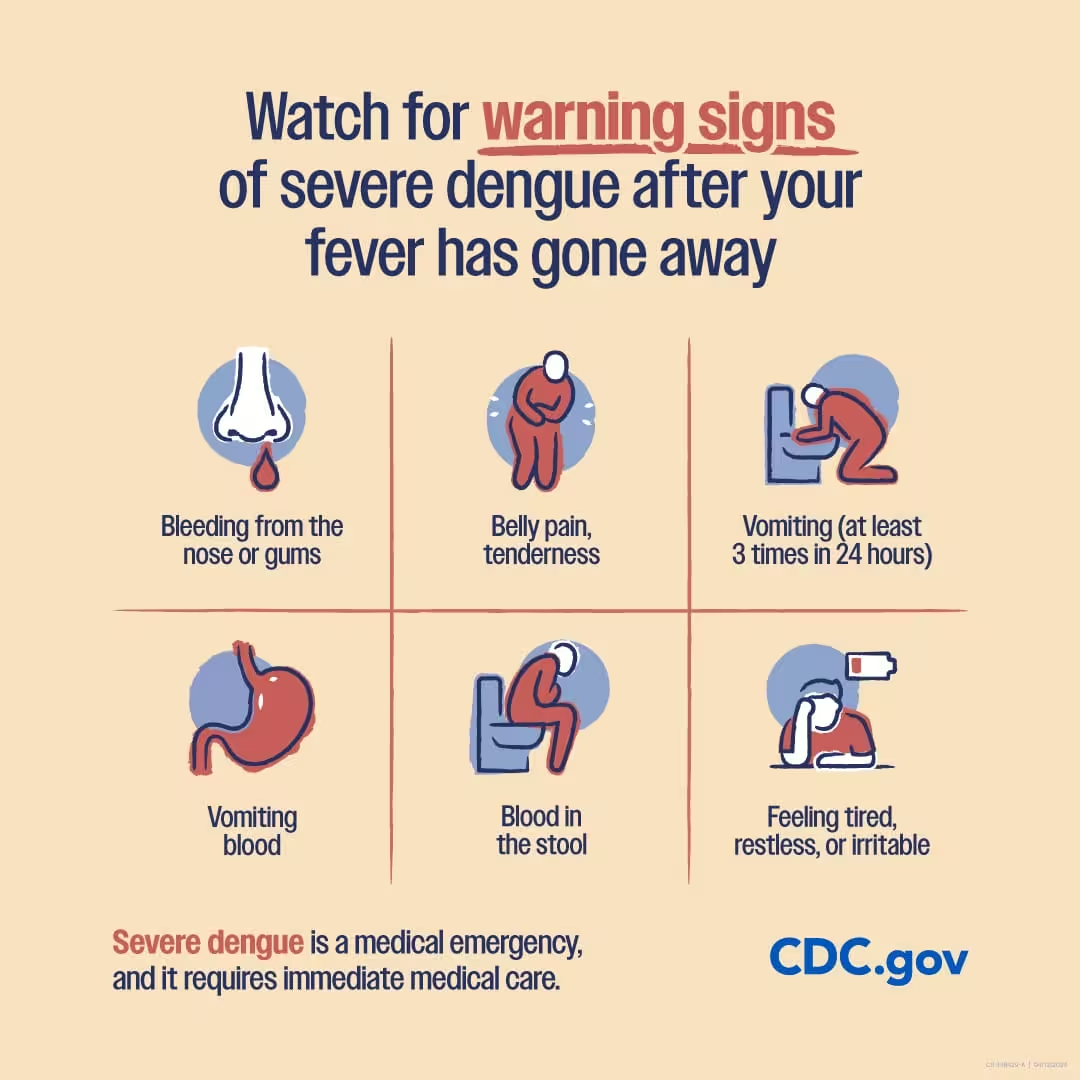
The WHO enumerates a comparable set of severe‑dengue indicators: severe abdominal discomfort, persistent vomiting, rapid breathing, bleeding from gums or nose, profound fatigue, restlessness, blood in vomit or stool, intense thirst, pale or cool skin, and overall weakness.
Supportive Care Is the Only Available Management
No antiviral or disease‑specific medication exists for dengue, according to the WHO. Treatment therefore centers on symptom relief, with hospitalization required for patients who develop severe manifestations.
Guidelines recommend ample rest, hydration, and the use of acetaminophen (paracetamol) for pain control. The WHO cautions against ibuprofen and aspirin, as these drugs can exacerbate bleeding tendencies.
Dengue continues to pose a global health challenge. In 2024, the WHO documented more than 14.6 million cases and over 12 000 dengue‑related deaths, marking the highest annual tally on record. From January through July 2025, the organization received reports of over four million cases and more than 3 000 fatalities across 97 countries.
This article has been fact checked for accuracy, with information verified against reputable sources. Learn more about us and our editorial process.
Last reviewed on .
Article history
- Latest version
Reference(s)
- “Dengue.” <https://www.who.int/news-room/fact-sheets/detail/dengue-and-severe-dengue>.
- <https://www.cdc.gov/dengue/signs-symptoms/index.html>.
Cite this page:
- Posted by David Anderson