Swiss Researchers Reveal Compound 10 Slows Alzheimer Progression in Mice by Targeting GRK2
New active ingredient slows Alzheimer’s symptom progression in mice, offering potential therapeutic breakthrough.
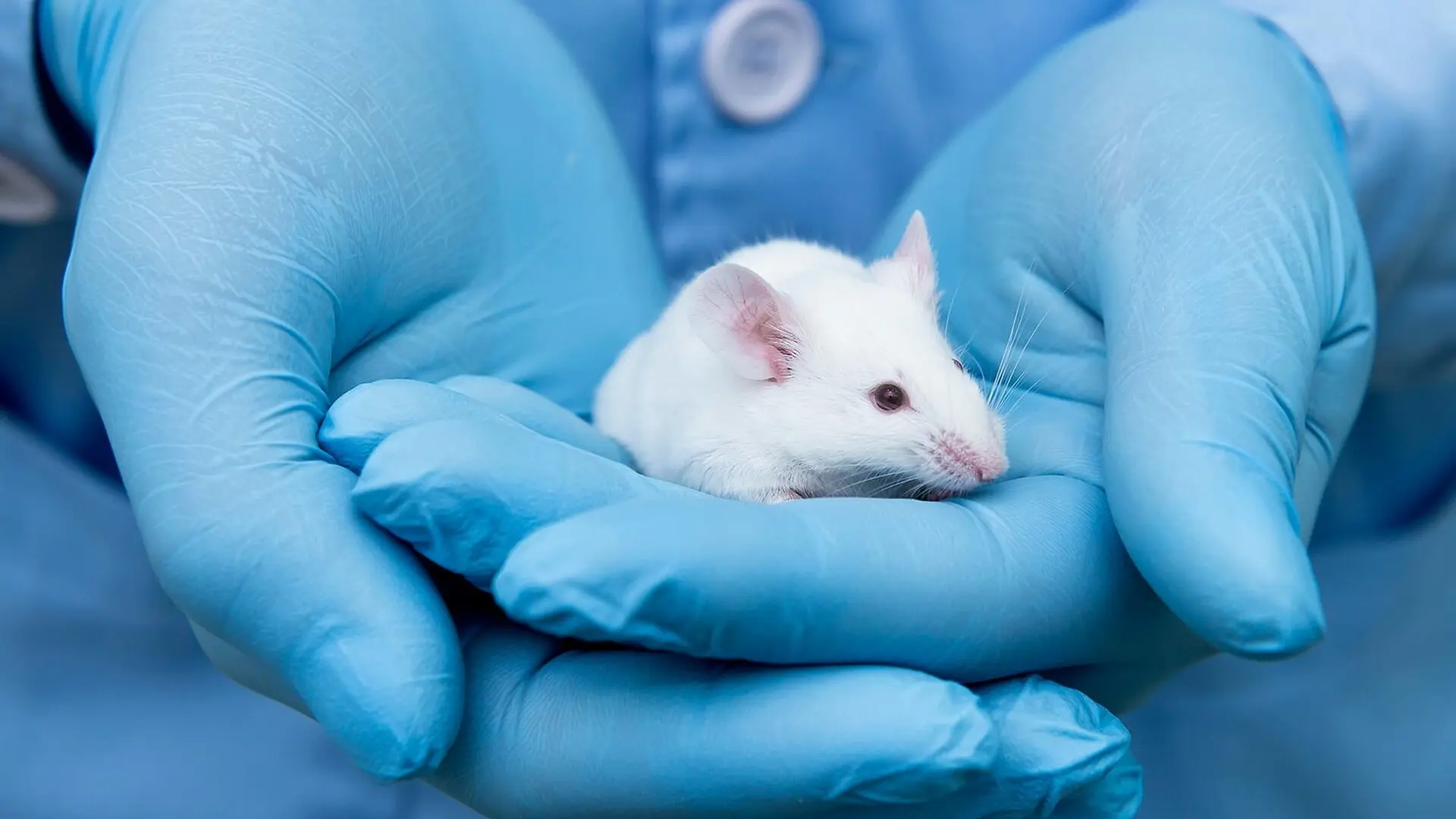
New ETH Zurich compound slows Alzheimer‑like decline in mice
Researchers led by Professor Ursula Quitterer of ETH Zurich have identified a chemical that markedly reduces the loss of nerve cells in mouse models of Alzheimer’s disease. The substance, dubbed “compound 10,” also appears to mitigate age‑related changes such as greying hair, suggesting broader anti‑aging benefits.
From brain tissue samples to a targeted enzyme
The project traces back nearly two decades to tissue specimens obtained from patients at Ain Shams University Hospital in Cairo. Those samples, removed during tumor surgeries, included brain material from both dementia and non‑dementia individuals. Quitterer’s team focused on the enzyme GRK2, a regulator that helps cells respond to signals, stress and strain in organs ranging from the heart to the brain.
GRK2’s role in dementia uncovered
Analysis of the Cairo samples and experiments in mice revealed that a metabolically inactivated form of GRK2 accumulates in the brains of dementia patients. In the mouse Alzheimer model, the same inactive enzyme clustered into aggregates that lodged on mitochondrial membranes, obstructing their pores and curtailing energy production. “The GRK2 aggregates block the pores of the mitochondria, reducing the amount of energy they can supply and leading to a situation of stress inside the cells,” Quitterer explained.
Compound 10 interrupts the vicious cycle
To break this feedback loop, Quitterer’s laboratory synthesized several candidates and tested them in cell cultures and mouse studies. Compound 10 emerged as the most effective, preventing GRK2 from aggregating. Mice treated with the compound showed restored mitochondrial function, reduced amyloid‑beta deposition, and preservation of neuronal viability.
Beyond the brain, the treated animals exhibited improved heart performance and fewer grey hairs as they aged, indicating systemic benefits.
Next steps and potential impact
The team has filed a patent for compound 10 and now seeks industrial partners to advance the molecule toward clinical development. “Alzheimer’s is a very complex disease,” Quitterer noted, adding that current drugs only modestly delay progression. “Identifying a new target protein in the form of GRK2, and an active ingredient that works via a different mechanism than existing Alzheimer’s drugs,” she said, referencing current therapies.
If combined with existing treatments, compound 10 could eventually improve quality of life for patients, though extensive testing in older animal models—requiring up to two years per experiment—means progress will be gradual.
This article has been fact checked for accuracy, with information verified against reputable sources. Learn more about us and our editorial process.
Last reviewed on .
Article history
- Latest version
Cite this page:
- Posted by David Anderson