Shingrix Vaccine Cuts Dementia Risk by 24% in Nursing Home Residents
Vaccines not only prevent shingles but also show potential neuroprotective benefits, offering added health advantages.
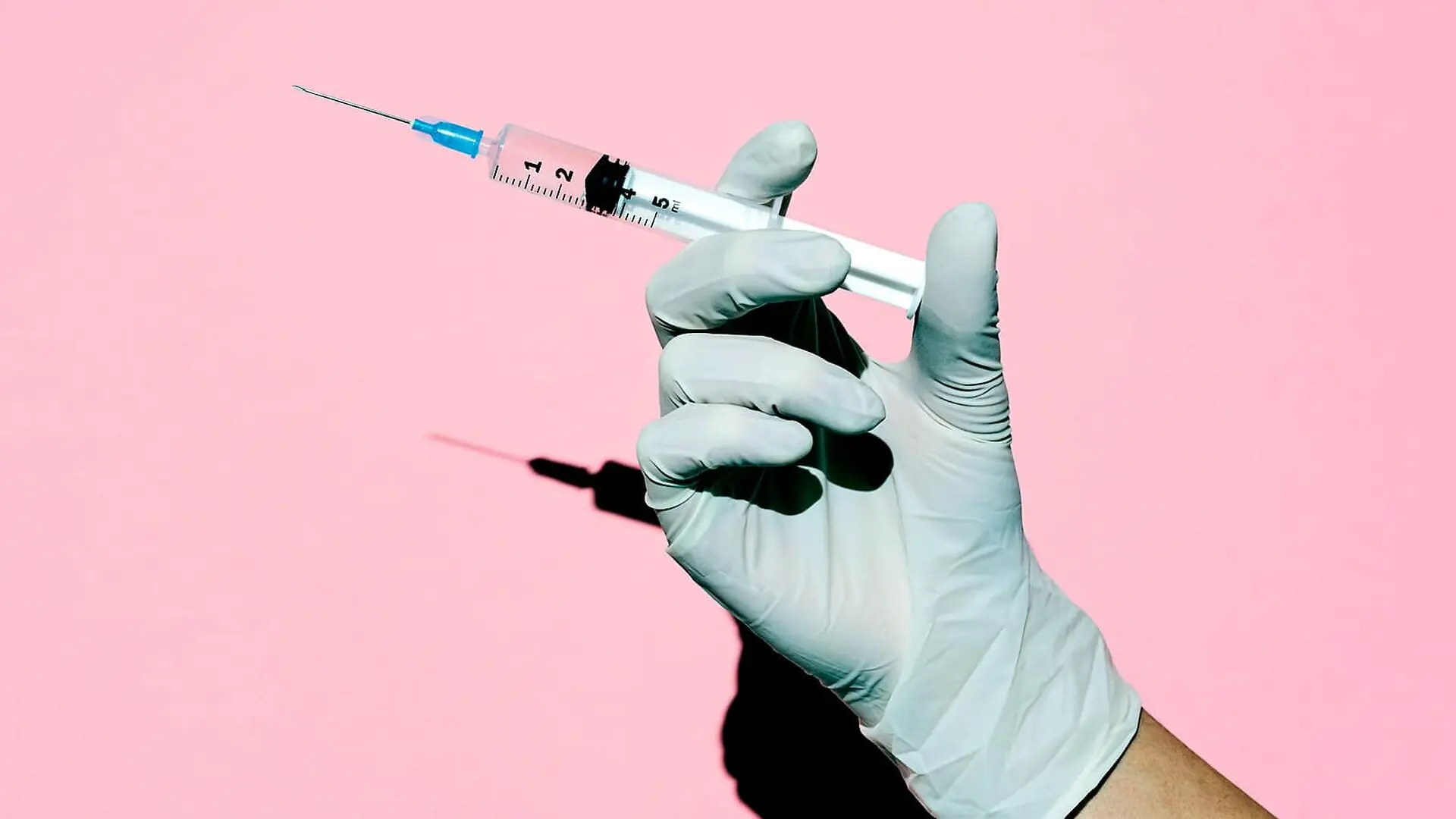
Researchers have observed that seniors who were administered the current U.S. shingles vaccine showed a reduced incidence of dementia over a four‑year span.
The analysis revealed that seniors who received the vaccine following admission to a skilled nursing home faced a 24 percent lower chance of a dementia diagnosis within four years compared with unvaccinated peers.
These conclusions stem from a review of medical records and Medicare information covering over half a million individuals aged 66 plus who entered skilled nursing facilities for either brief or extended stays.
The team contrasted patients who had received at least one dose of the recombinant shingles vaccine—marketed as RZV or Shingrix—with individuals who had not. Launched in 2017, this formulation remains the sole shingles vaccine available in the United States.
‘Many earlier investigations that reported comparable outcomes examined an older formulation,’ noted Kaley Hayes, an assistant professor at Brown University’s School of Public Health.
‘Our work specifically assesses the latest vaccine within a high‑risk elderly cohort that had not yet received shingles immunization and were at a distinct care transition—entering a skilled nursing setting,’ Hayes added.
These results echo prior research linking shingles immunization, even with earlier vaccine versions, to a diminished dementia risk.
‘This adds another piece to the emerging picture that vaccines not only curb shingles but may also confer neuroprotective advantages,’ Hayes, also associate director of pharmacoepidemiology at Brown’s Center for Gerontology and Healthcare Research, explained.
Hayes spearheaded the investigation, which appears in Annals of Internal Medicine, together with collaborators from Brown, the University of Delaware, the Providence Veterans Affairs Medical Center, and additional research centers.
The investigators applied a target‑trial emulation approach—an analytical technique that simulates a randomized trial when such a design is infeasible. Drawing on Medicare claims and electronic health records from residents of over 5,500 skilled nursing homes nationwide between 2017 and 2022, the cohort comprised 509,926 individuals, of whom just 8,843 had received the vaccine.
Eligibility required participants to be free of any dementia diagnosis and qualify for shingles vaccination. Over a four‑year observation period, the researchers observed that individuals receiving at least one of the two Shingrix doses experienced a markedly reduced dementia incidence relative to non‑vaccinated counterparts—18.8 percent versus 24.6 percent, respectively.
‘In practical terms, that equates to roughly one dementia case averted for every seventeen vaccinated seniors,’ Hayes noted.
A key limitation is the inability to definitively attribute the lower dementia occurrence to the vaccine itself. Vaccinated individuals were generally marginally younger and in better overall health, factors that could also diminish dementia susceptibility. Although statistical adjustments were made, these variables did not fully explain the observed relationship. Further investigations, ideally randomized clinical trials, are required to confirm a causal effect.
The authors suggest that the vaccine could represent a widely available strategy to safeguard both physical and cognitive health.
‘Cognitive function is closely linked to overall physiological health,’ Hayes explained.
‘It’s remarkable that an intervention aimed at preventing a bodily disease may also support brain health,’ she added.
The publication notes financial support from GlaxoSmithKline, the manufacturer of Shingrix, while emphasizing that the sponsor had no influence over study design, data analysis, or the decision to disseminate the findings.
This article has been fact checked for accuracy, with information verified against reputable sources. Learn more about us and our editorial process.
Last reviewed on .
Article history
- Latest version
Reference(s)
- Hayes, Kaleen N.., et al. “Dementia Risk After Recombinant Herpes Zoster Vaccination in Older Adults With a Recent Skilled-Nursing Facility Stay.” Annals of Internal Medicine, June 16, 2026 American College of Physicians, doi: 10.7326/ANNALS-25-04689. <https://doi.org/10.7326/ANNALS-25-04689>.
Cite this page:
- Posted by David Anderson