Ice Age Mammoth Bone Shelter in Ukraine Used as Home for Over 400 Years
Ukrainian study of iconic mammoth bones sheds new light on Ice Age peoples, offering fresh clues that reshape our understanding of prehistoric life.
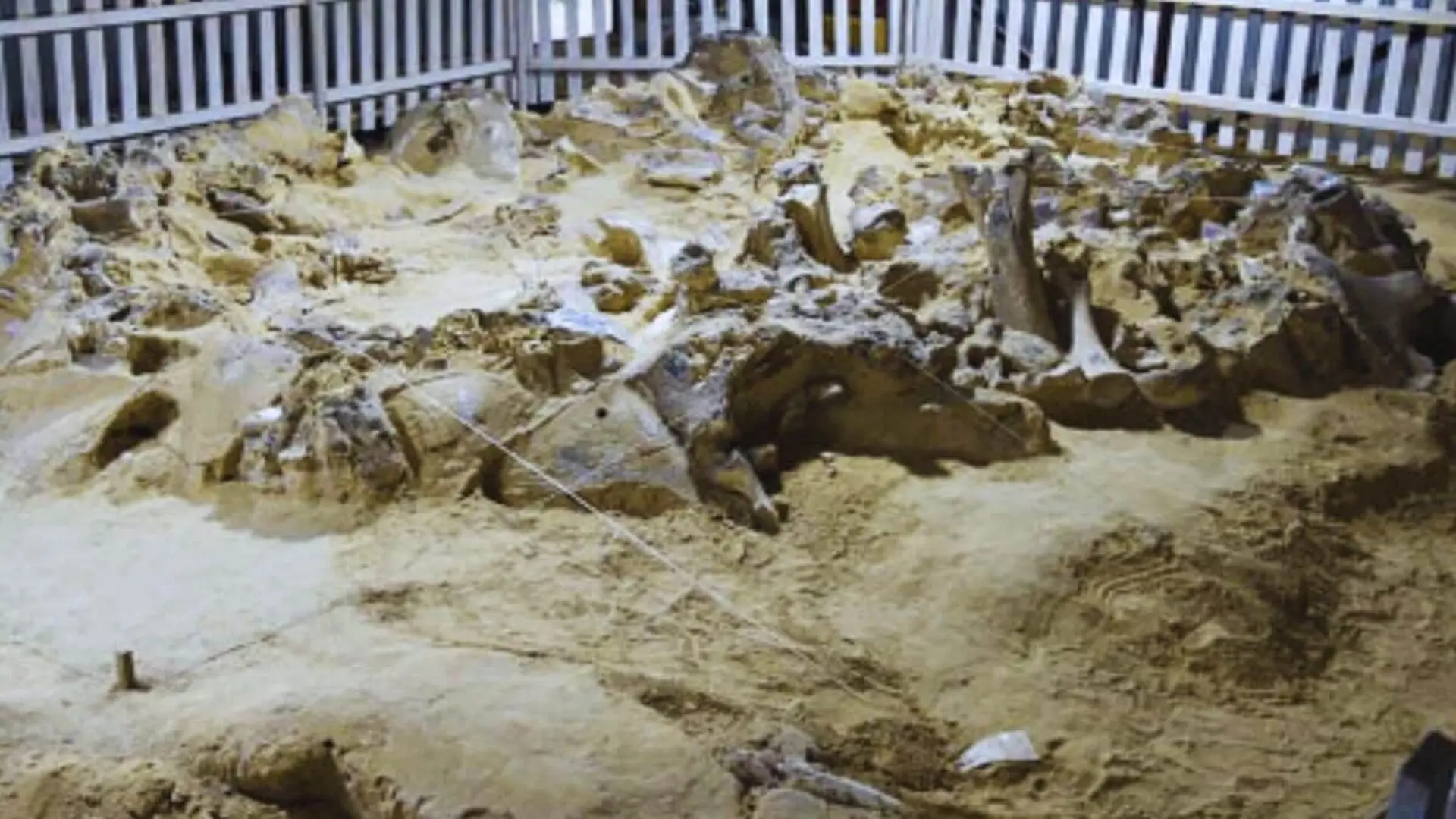
A fresh analysis of tiny mammal fossils has sharpened the age estimate for one of the planet’s most iconic mammoth bone constructions. The data indicate that the shelter at Mezhyrich in Ukraine was occupied for as long as 429 years, strengthening the case that it served as a residence.
Located in Ukraine’s Cherkasy region, the Upper Paleolithic site of Mezhyrich contains four circular edifices built from hundreds of mammoth bones and tusks. Each structure spans roughly 12 to 24 square metres, making them some of the earliest known built environments linked to mobile hunter‑gatherer groups.
Scholars have long debated their purpose, proposing uses ranging from domestic dwellings to food storage pits, burial chambers, ritual spaces, or early monuments. A study released in Open Research Europe now adds a precise chronological layer that leans toward a residential function for at least one of the buildings.
A One‑of‑a‑Kind Ice‑Age Habitat Uncovered
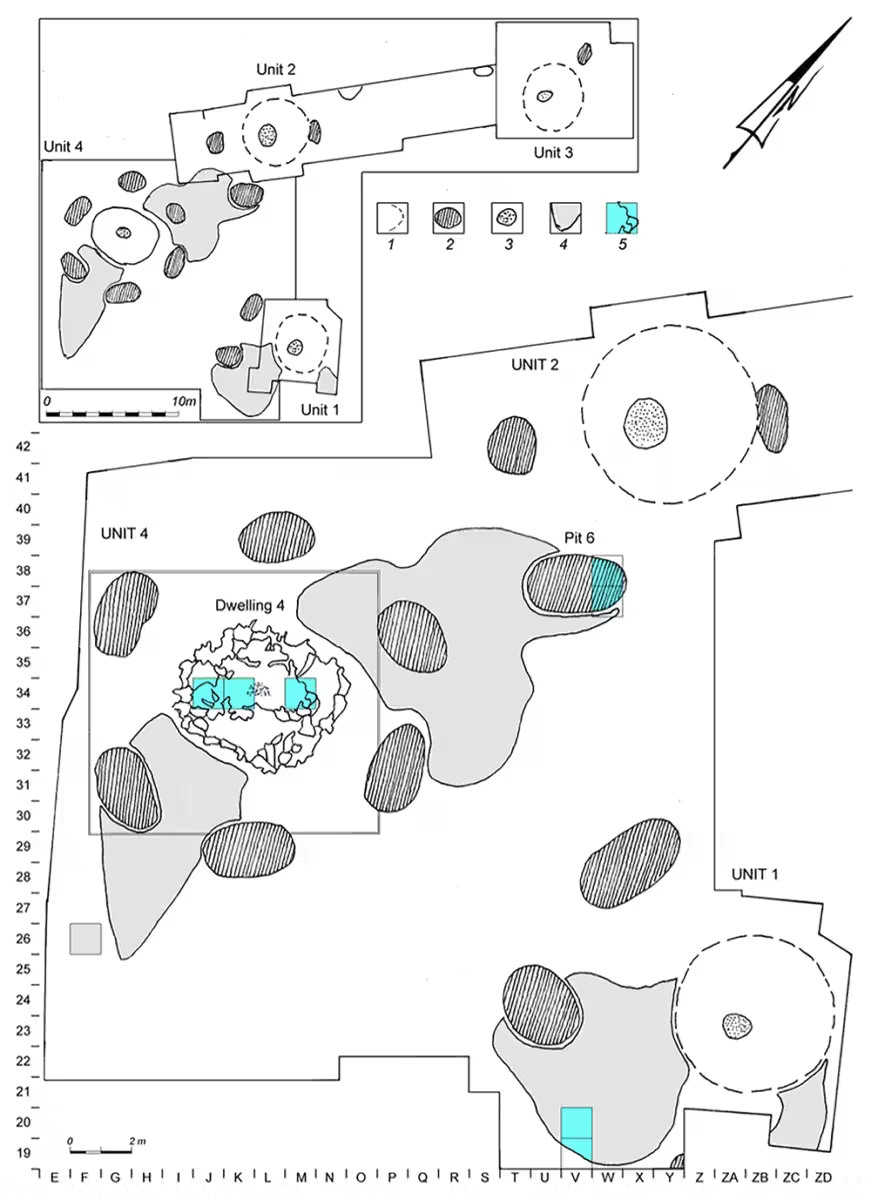
The research zeroes in on MBS 4, the sole structure at Mezhyrich that contains well‑documented artifacts embedded in layers amenable to direct dating. Around this unit, excavators recovered hunting implements, ivory and bone ornaments, and a suite of other cultural traces. The assemblage includes butchered animal remains, workshop zones packed with dense cultural deposits, and clearly delineated activity areas organized around the mammoth bone framework.
the site featured “delimited activity areas with butchered animal remains and workshops with dense cultural layers, each delimited into economical settlement units with the mammoth bone structure as the focal point.”
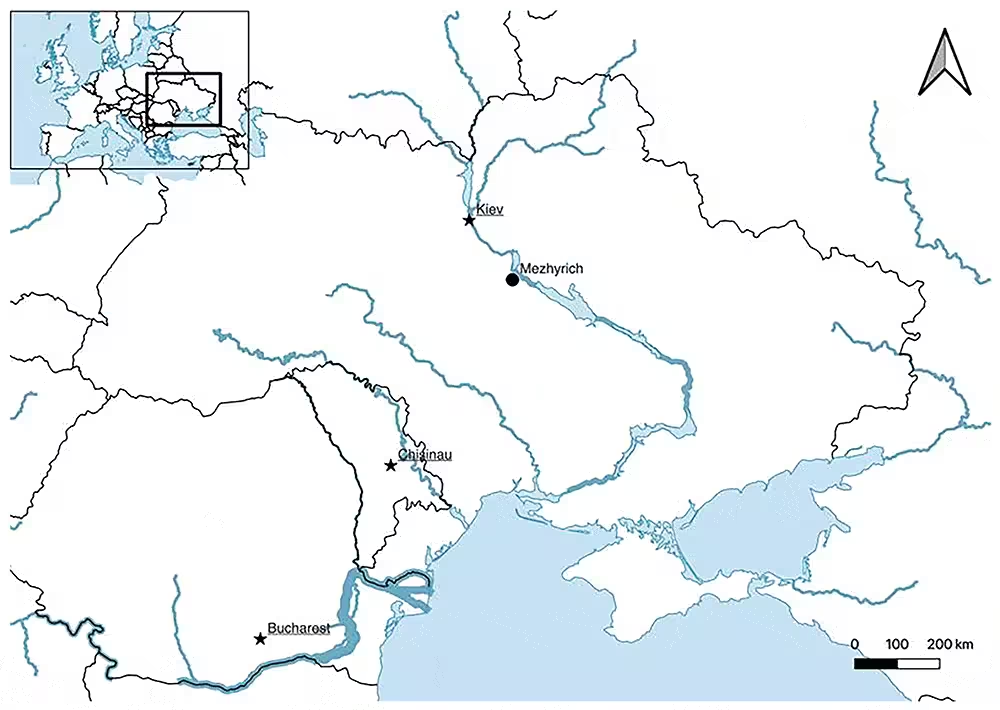
The project was led by archaeologist Wei Chu of Universiteit Leiden, who emphasizes the broader relevance of open‑air Upper Paleolithic sites across East‑Central Europe. Such locales preserve stone tools, animal bones, and environmental signatures that help reconstruct human behavior during the Late Pleniglacial, a period marked by rapid climatic shifts.
Tiny Fossils Pinpoint the Age of the Mammoth House
Rather than dating the massive bones themselves, the team examined the remains of small mammals retrieved directly from the archaeological strata linked to MBS 4. This strategy yielded a more exact age for the construction.
The analysis places MBS 4 between roughly 18,248 and 17,764 years ago, and suggests the shelter remained in use for up to 429 years, offering a window into how often prehistoric groups returned to the site.
“The occupation span was short; possibly a single or few visits over centuries. This suggests that these bone‑built shelters were practical solutions for survival rather than permanent settlements.”
Chronology Reinforces the Home‑Like Role of MBS 4
The refined timeline bolsters the view that MBS 4 functioned as a dwelling, countering earlier hypotheses that the mammoth bone accumulations might represent bone beds, food caches, burial sites, religious rites, or ritual middens. Researchers argue that the structure was maintained and re‑occupied across several centuries, indicating a stable, long‑term settlement even if each episode involved only a handful of visits.
The authors conclude that mammoth bone shelters illustrate how prehistoric communities adapted to extreme environments, converting the remnants of giant animals into protective architecture. As dating techniques continue to improve, sites like Mezhyrich will keep reshaping our understanding of life in the final Ice Age.
“They show how communities thrived in extreme environments, turning the remnants of giant animals into protective architecture. As dating methods become more precise, sites like Mezhyrich continue to challenge our assumptions about prehistoric life.”

This article has been fact checked for accuracy, with information verified against reputable sources. Learn more about us and our editorial process.
Last reviewed on .
Article history
- Latest version
Reference(s)
- “Wei Chu.” Leiden University <https://www.universiteitleiden.nl/en/staffmembers/wei-chu>.
Cite this page:
- Posted by Vikram Desai