Brazil Deep-Sea Expedition Reveals 31 Never‑Seen Species and a Possible New Siphonophore Family
Scientists exploring Brazil’s offshore waters discovered a hidden realm of bizarre, rarely‑seen marine species, revealing an unprecedented underwater world.
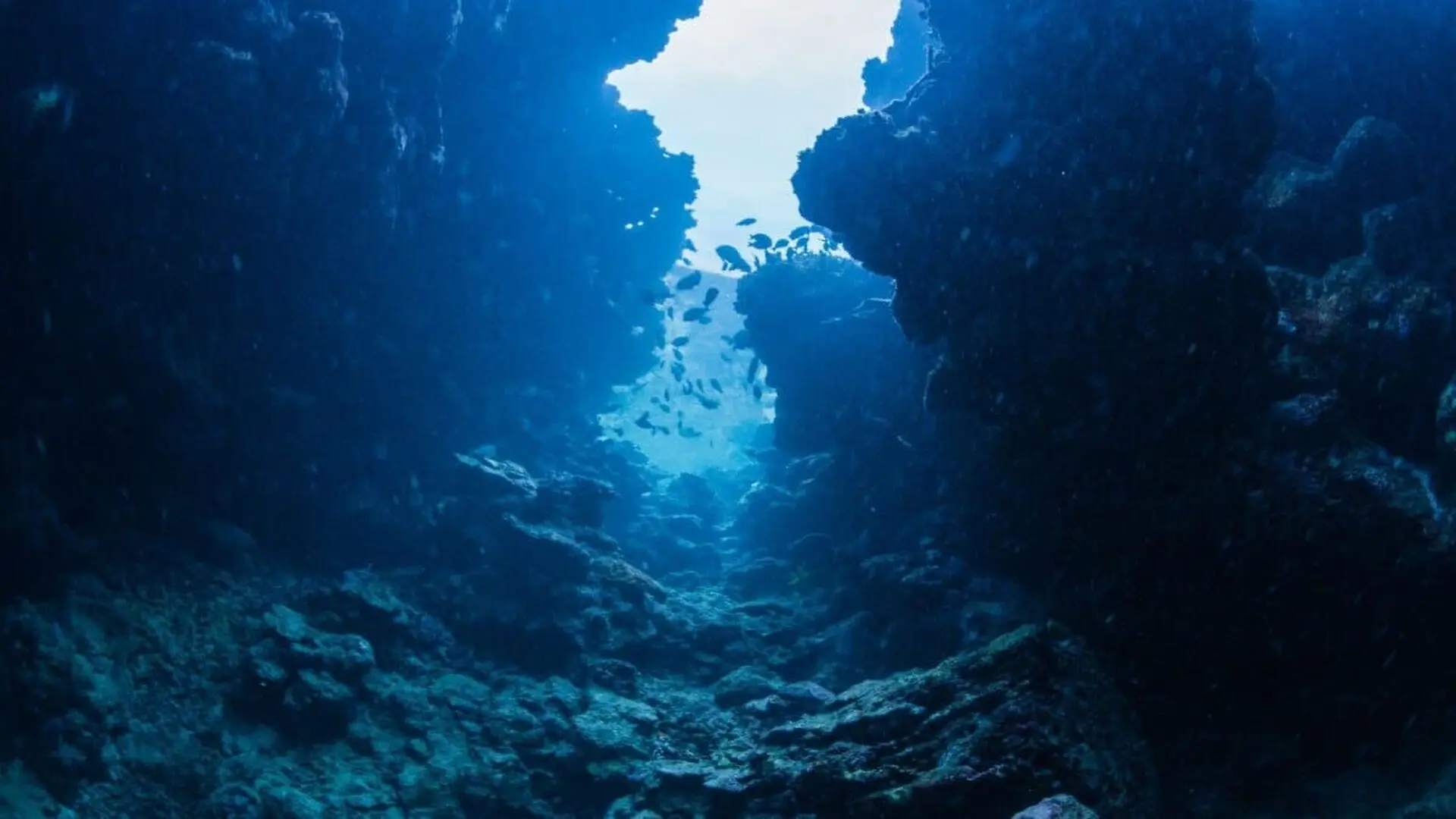
An international research team spent two weeks exploring the Brazilian offshore waters, deploying advanced robotic platforms and cutting‑edge imaging gear to capture high‑resolution footage of previously unseen mid‑depth marine fauna.
In addition to cataloguing new organisms, the scientists evaluated a suite of novel instruments intended to monitor delicate ocean life with minimal impact.
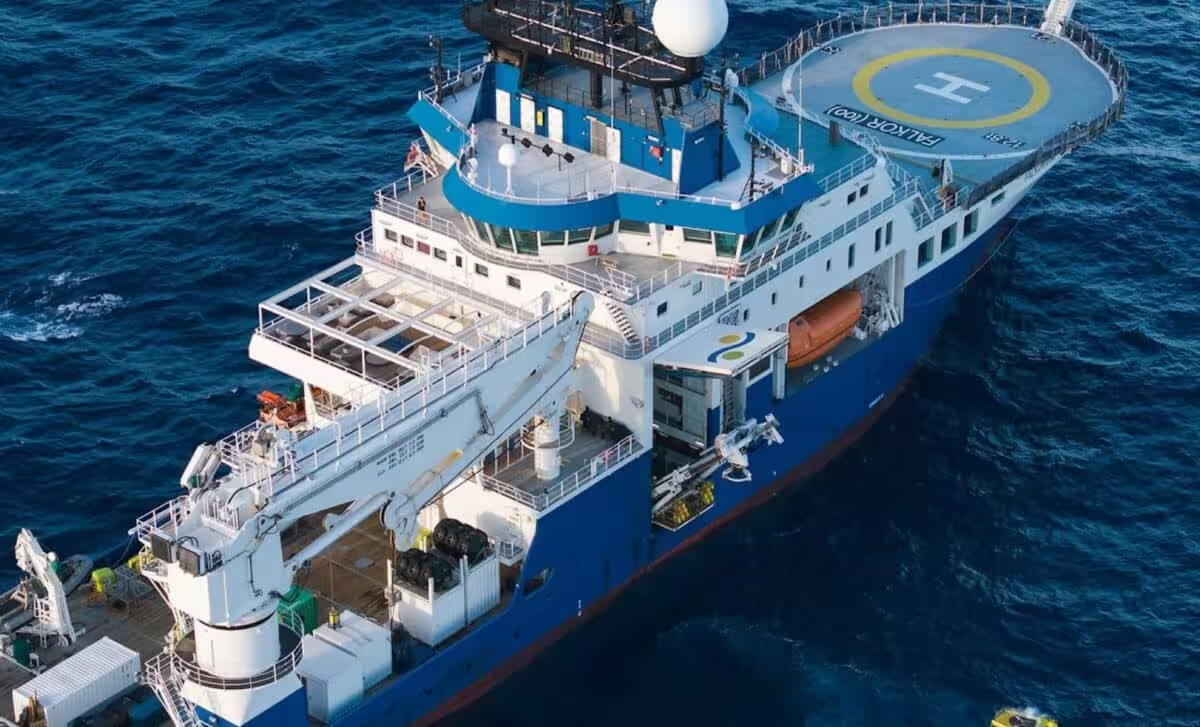
The mission sailed aboard the Schmidt Ocean Institute’s vessel R/V Falkor (too). According to The Guardian, the focus was on the midwater column – the expansive zone between the surface and seabed – ranging from roughly 600 to 3,300 feet deep.
Surprising Biodiversity in the Ocean’s Midwater Zone
Researchers recorded 31 previously undocumented species, including a new Tomopteris gelatinous worm that drifts its entire life in the water column, a juvenile glass squid, various larval fishes, lobed comb jellies, and several siphonophores.
One siphonophore in particular drew attention. Based on the imagery and measurements gathered, Dhugal Lindsay of Japan’s Agency for Marine‑Earth Science and Technology (JAMSTEC) believes the specimen represents an undescribed genus and could even define a new family of physonect siphonophores.
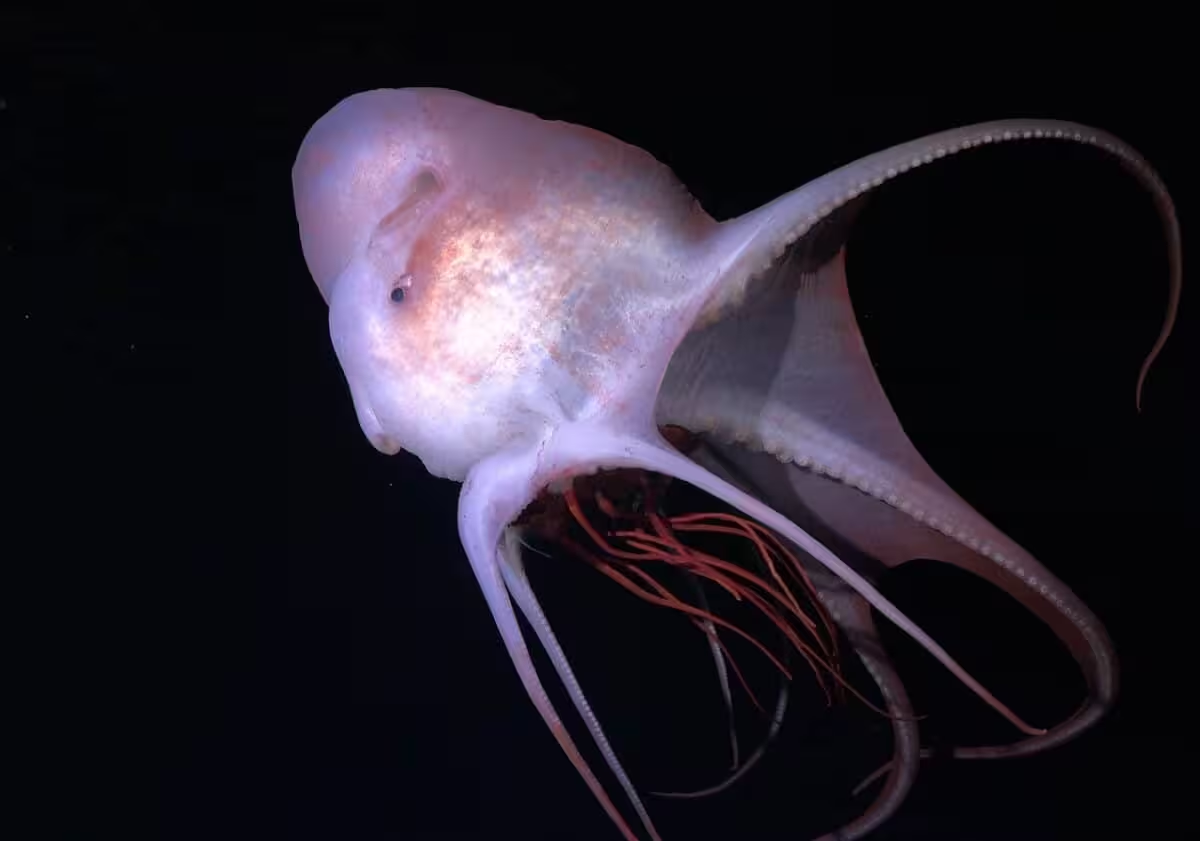
The team also documented a female Haliphron atlanticus octopus preying on a jellyfish at 800 meters depth. Females of this species can reach lengths of up to four meters and weigh as much as 75 kilograms, whereas males remain under 30 centimeters.
“The largest habitat on Earth, the midwater, is filled with incredible animals we are only just starting to understand,” said Karen Osborn, the expedition’s chief scientist. “I continue to be fascinated by the fantastic variety of solutions they have evolved to survive in this formidable environment, and that drives me to keep asking questions about our ocean.”
High‑Resolution Imaging Sheds Light on Elusive Creatures
According to The Guardian, the mission employed multiple imaging suites that allowed scientists to study fragile organisms in situ. The remotely operated vehicle SuBastian carried most of the hardware during the deep‑sea forays.
A press release from Schmidt Ocean Institute highlighted Deep Particle Image Velocimetry (DeepPIV) as a key tool. Developed by the Monterey Bay Aquarium Research Institute (MBARI), the laser‑based system generates three‑dimensional reconstructions of transparent marine animals while they remain in their natural environment.
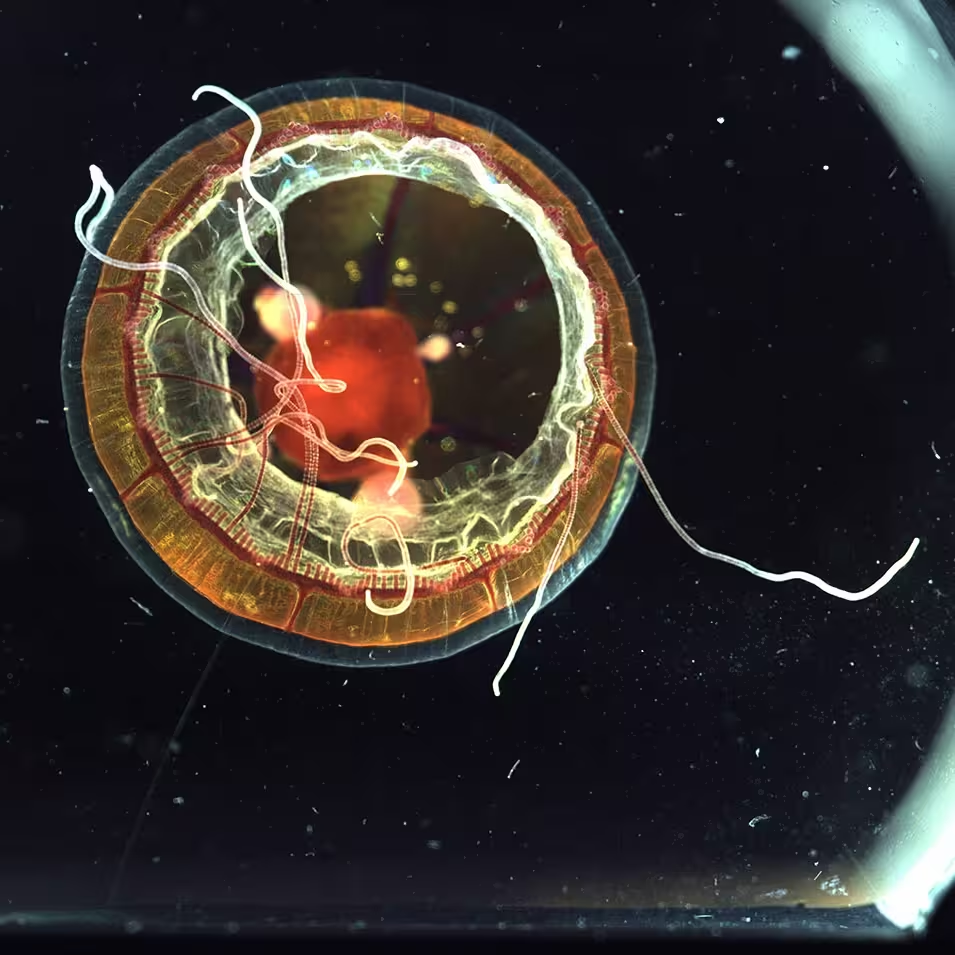
A prototype multiview macro camera captured several specimens from three angles immediately after retrieval, preserving anatomical detail, coloration and posture that often fade within minutes on board.
Additional gear included a gravity‑based instrument for microbial studies and a rotating‑wheel confocal microscope nicknamed “the Squid”, which enabled the first live imaging of cellular structures inside deep‑sea organisms.
In‑Depth Analyses of Newly Discovered Species
The experimental toolkit allowed researchers to gather comprehensive anatomical and genetic data while still at sea, shifting the focus from preserved specimens to whole‑organism investigations. In a related statement, Manu Prakash, a bioengineer at Stanford University, explained:
“This opens a new door for researching deep-sea physiology, linking cellular architectures to organism function. We can now witness live internal processes within these extreme organisms adapted to withstand immense pressure and darkness.”
Jyotika Virmani, executive director of the Schmidt Ocean Institute, described the venture as “a glimpse into the future of marine biological science.” She added that the aim is for subsequent researchers to adopt these approaches, potentially extending them to virtual‑reality platforms.
This article has been fact checked for accuracy, with information verified against reputable sources. Learn more about us and our editorial process.
Last reviewed on .
Article history
- Latest version
Reference(s)
- “Dhugal Lindsay - Schmidt Ocean Institute.”, June 13, 2020 Schmidt Ocean Institute <https://schmidtocean.org/person/dhugal-lindsay/>.
- <https://naturalhistory.si.edu/staff/karen-osborn>.
- Watts, Jonathan. “‘Chock full of incredible animals’: marine expedition uncovers 31 new species in two weeks.”, June 26, 2026 The Guardian <https://www.theguardian.com/environment/2026/jun/26/marine-expedition-uncovers-31-new-species-two-weeks-brazil>.
- “4500 m Remotely Operated Vehicle (ROV SuBastian) - Schmidt Ocean Institute.”, March 28, 2016 Schmidt Ocean Institute <https://schmidtocean.org/technology/robotic-platforms/4500-m-remotely-operated-vehicle-rov/>.
- “PRESS RELEASE.” <https://sites.google.com/schmidtocean.org/31-new-species-discovered/>.
- “Manu Prakash - Schmidt Ocean Institute.”, March 24, 2026 Schmidt Ocean Institute <https://schmidtocean.org/person/manu-prakash/>.
- “Dr. Jyotika Virmani - Schmidt Ocean Institute.”, April 7, 2020 Schmidt Ocean Institute <https://schmidtocean.org/person/dr-jyotika-virmani/>.
Cite this page:
- Posted by Vikram Desai