Brawn Before Bite 200 Fossil Teeth Show Early Mammals Grew Bigger Teeth First
New Chinese fossil teeth reveal early mammal evolution in the first million years after the dinosaurs’ extinction.
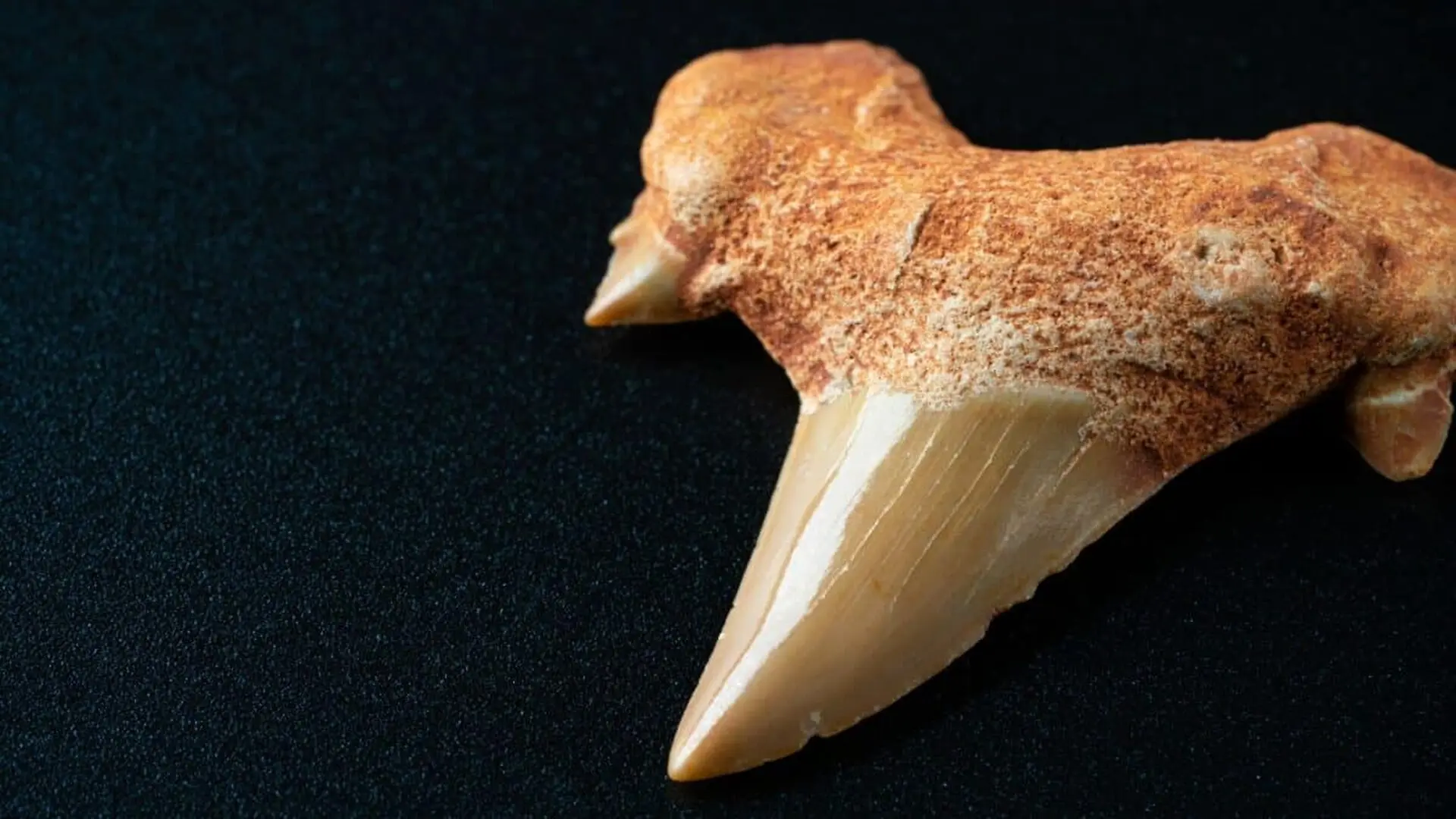
A new assemblage of fossil teeth recovered from southern China is reshaping our understanding of a pivotal moment in Earth’s history. By examining 200 teeth belonging to 37 early mammal species, scientists have uncovered evidence that mammals first expanded tooth size before evolving the specialized structures that later enabled diverse dietary strategies.
When the non‑avian dinosaurs disappeared 66 million years ago, mammals suddenly found themselves in an ecological vacuum ripe with opportunity. The initial few million years after that mass extinction inaugurated the Age of Mammals, yet the fossil record for this interval remains sparse, especially beyond North America.
A recent paper in eLife helps address this gap. The team analyzed specimens collected from the Nanxiong, Qianshan and Chijiang basins of southern China, all dated to the Paleocene Epoch—the first 10 million years following the end‑Cretaceous event.
Early Mammals Grew Larger Teeth Before Specializing
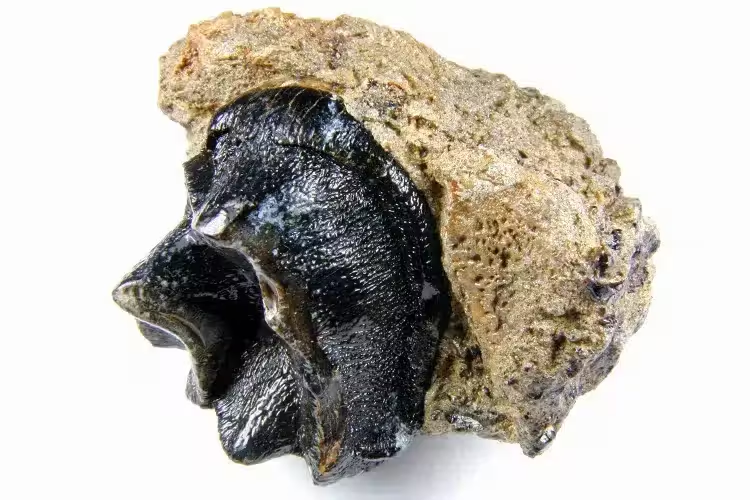
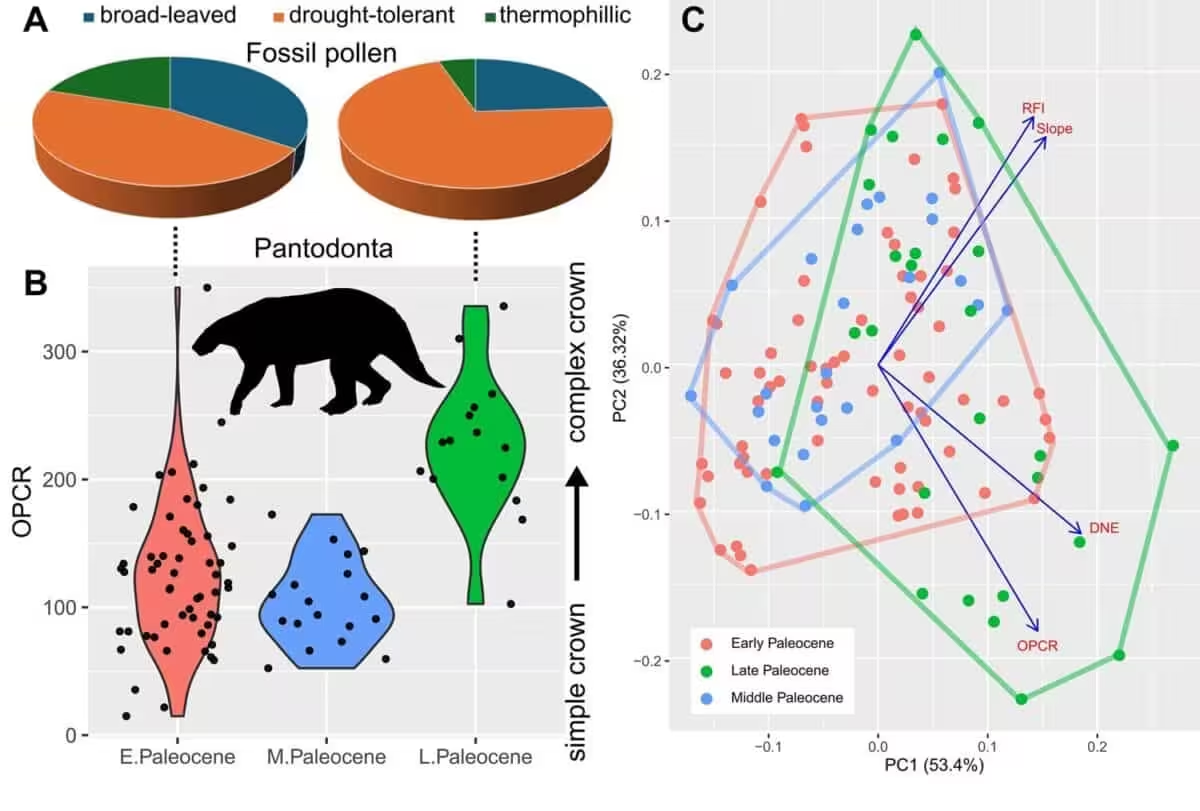
Instead of acquiring highly specialized dentition immediately, the earliest placental mammals appear to have followed a more incremental trajectory. By generating high‑resolution 3D models, the researchers discovered that the first placentals possessed relatively large teeth that were simple in form and exhibited limited variation.
More complex, diet‑specific adaptations emerged later, allowing these mammals to exploit a broader array of food resources as they colonized new ecological niches.

The authors describe this sequence as “brawn before bite,” emphasizing that the increase in tooth size preceded functional refinement over subsequent millions of years.
“The fact that teeth interact directly with the environment through biting and chewing behaviours makes them crucial in helping us identify potential links between their structure and ecological context,” co‑author Qian Li of the Chinese Academy of Sciences said in a statement.
New Insights into Asian Early Mammals
These findings highlight how little is known about the earliest phases of mammalian evolution outside North America. Lead author Jack Tseng, an associate professor at the University of California, Berkeley, noted that fossil sites from the first 10 million years of the mammalian age are heavily skewed toward North America, with only about 3 % of known locations from that interval situated in Asia.
Environmental Drivers of Dental Evolution
Dental changes alone do not tell the whole story. The researchers also observed that the trajectory of tooth evolution mirrored shifts in the surrounding ecosystem. As drought‑tolerant flora became more prevalent across southern China, mammalian teeth grew increasingly intricate and curved. Co‑author Suyin Ting explained:
“As ecosystems recovered and transformed following the end‑Cretaceous period, so did tooth shape and function, which indicates changing evolutionary pressures and ecological opportunities.”
A comparable “brawn before bite” pattern has already been reported in ancient mammals from North America and Europe, suggesting the sequence was a global phenomenon rather than an Asian peculiarity.
“Our work provides initial insights into the changes that occurred in placental mammals outside of North America after the end‑Cretaceous Period, and unearths opportunities for further research to explore some of these associations in more detail,” said Tseng. “We hope the insights will be useful for developing predictive models and conservation strategies aimed at understanding how modern animals could respond to biodiversity crises in future.”
This article has been fact checked for accuracy, with information verified against reputable sources. Learn more about us and our editorial process.
Last reviewed on .
Article history
- Latest version
Reference(s)
- <https://www.researchgate.net/profile/Qian-Li-101>.
- “Tooth fossil analysis suggests ‘brawn before bite’ in early Asian mammals.”, June 30, 2026 eLife <https://elifesciences.org/for-the-press/c438be54/tooth-fossil-analysis-suggests-brawn-before-bite-in-early-asian-mammals>.
- “Jack Tseng | Research UC Berkeley.” <https://vcresearch.berkeley.edu/faculty/jack-tseng>.
- <https://www.researchgate.net/profile/Suyin-Ting>.
Cite this page:
- Posted by Hassan Raza