Armenian Cave Shows How Ancient Hunters Balanced Long‑Distance Obsidian and Local Chert
1700+ stone artifacts from an Armenian cave reveal daily life 10,000+ years ago, with a mysterious pattern solved by tiny clues.
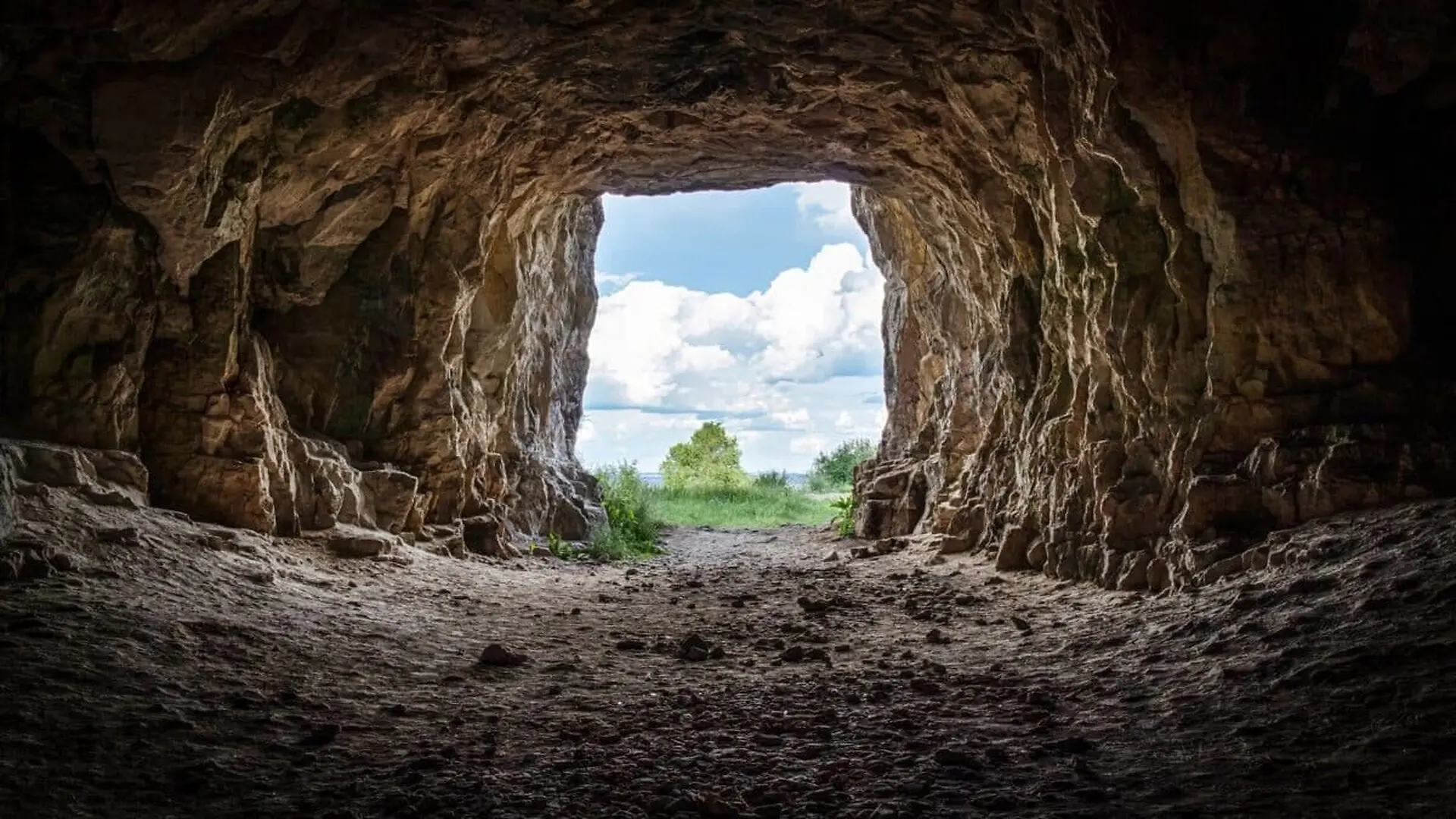
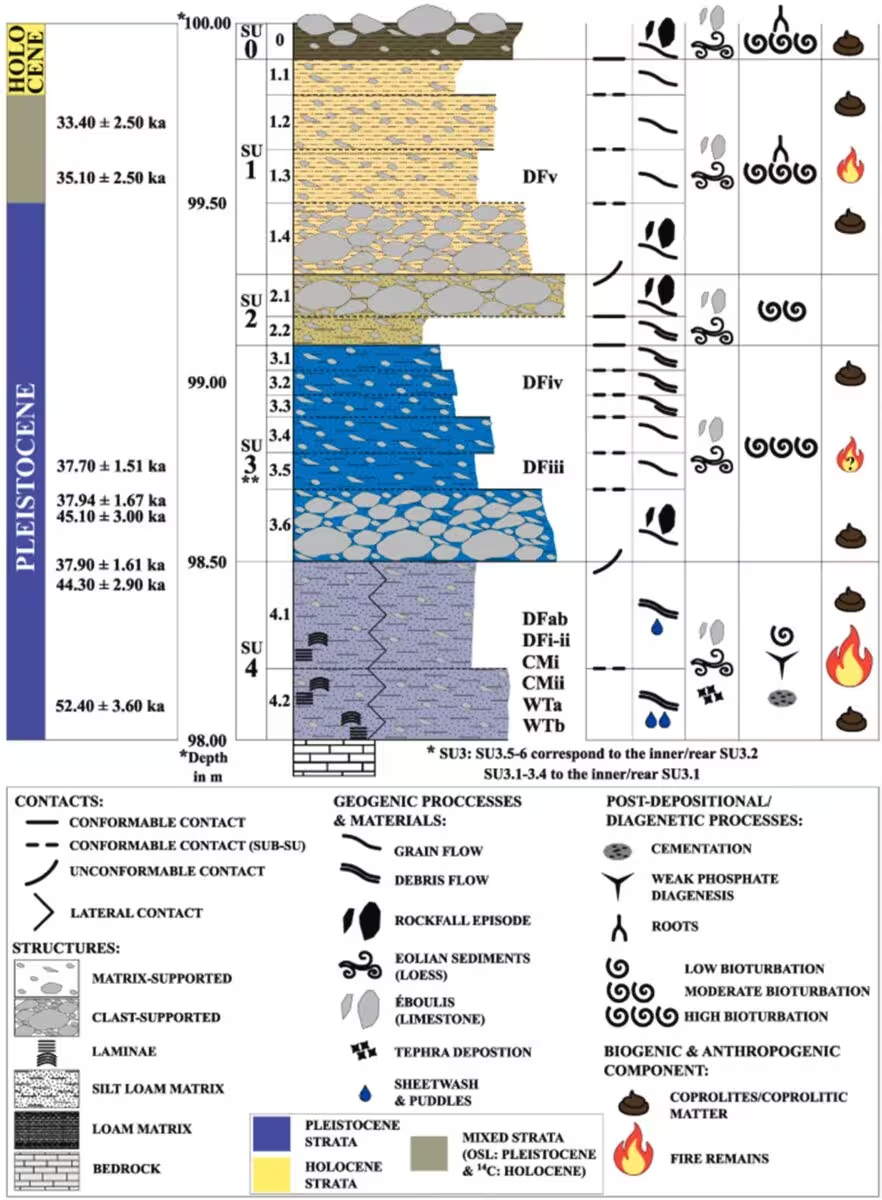
Analysis of 1,770 stone artifacts recovered from Armenia’s Ararat‑1 Cave indicates that Middle Paleolithic groups between roughly 52,000 and 35,000 years ago treated their tools in a dual‑strategy fashion: they meticulously maintained long‑distance obsidian implements while producing short‑lived chert tools from locally sourced stone.
Situated at 1,034 m above sea level on the eastern side of the Ararat Depression, the modest limestone shelter lies in the heart of the Caucasus, a region noted for its varied terrain and extensive Paleolithic record.
Dr. David Nora of the Hebrew University of Jerusalem notes that the Middle Paleolithic accounts for about 60 % of the more than 450 Paleolithic sites documented across the Caucasus, which include caves, rock shelters and open‑air locales spread over river canyons, terraces, mountain plateaus, hills and lava domes. Within this broad context, Ararat‑1 presented a puzzling contrast: the two stone materials recovered appeared to tell divergent stories about the cave’s occupants.
Obsidian Shows Long‑Distance Exchange, Chert Remains Local
Obsidian, the volcanic glass that dominates the regional lithic resource pool, bears frequent signs of retouch, reshaping and repair, suggesting that finished or partially finished pieces were transported and repeatedly curated. Geochemical sourcing indicates that some of this obsidian originated from outcrops located tens of kilometres to nearly 200 km away.
In contrast, chert artifacts were largely produced from raw material gathered on‑site, exhibit minimal evidence of curation, and appear to have been discarded after brief use.
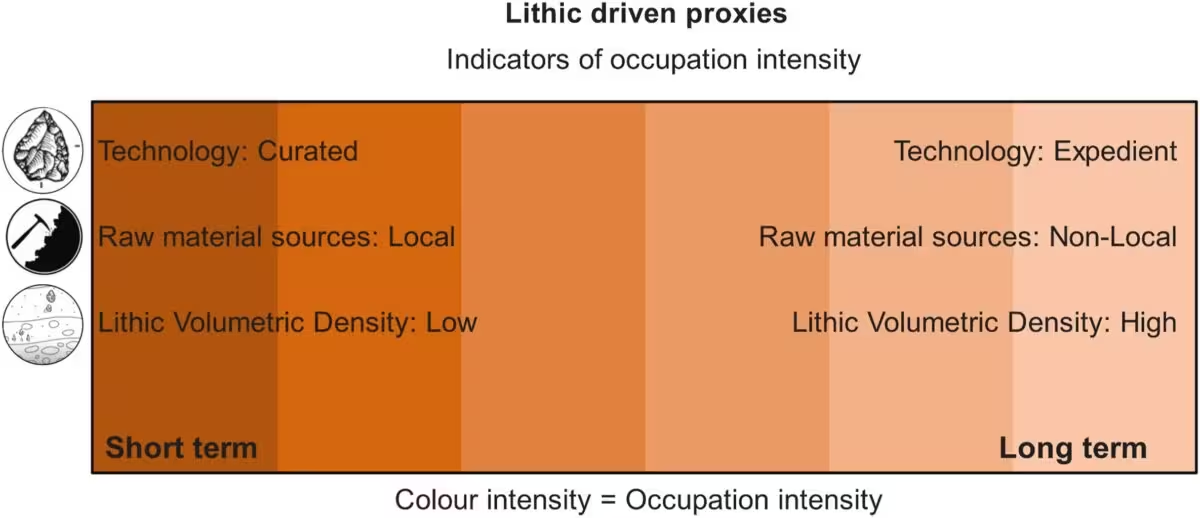
These divergent patterns complicate traditional mobility interpretations, where heavily curated tools imply highly mobile groups, while expedient, locally produced implements point to longer residential episodes.
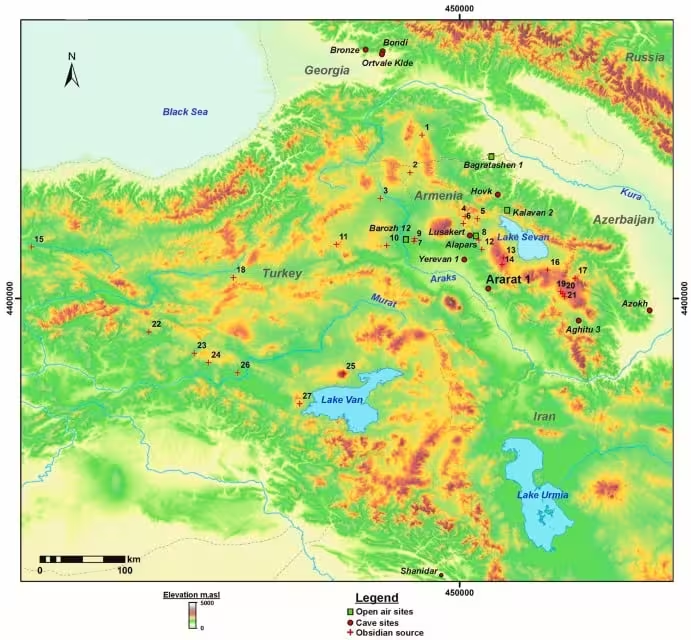
“Ararat‑1 Cave leaves us with a conundrum regarding the ways to interpret the mobility signature,” the authors wrote, noting that obsidian points to a more itinerant toolkit while chert suggests a more sedentary one within the same stratigraphic layers.
Microscopic Flakes Reveal Hidden Maintenance Activities
To resolve the paradox, the team turned its attention to diminutive flakes—many under two centimeters—that result from routine edge sharpening or rejuvenation. Because a substantial portion of the assemblage falls below this size threshold, the researchers devised a five‑category classification system to capture their variation.
These micro‑debris provide a rare glimpse into tool upkeep, preserving traces of repair that occurred after the primary implements had been carried away. By linking the maintenance signatures to the provenience of the obsidian, the team could reconstruct episodes of on‑site tool refurbishment.
The findings, published in Quaternary Science Reviews, demonstrate that the coexistence of long‑distance curated obsidian and locally produced chert reflects complementary strategies rather than contradictory mobility signals.
Ararat‑1 Functioned as a Strategic Repair Hub
The authors argue that Ararat‑1 was less a long‑term habitation site and more a repeatedly visited waypoint where groups paused to service their prized obsidian tools while exploiting nearby chert for immediate needs. This dual‑use model indicates that the two lithic materials record distinct aspects of the same visits: portable, high‑value obsidian was maintained, whereas abundant local chert was knapped and discarded on site.
Dr. Ariel Malinsky‑Buller of the Hebrew University Institute of Archaeology emphasized that the study illustrates how ancient hunter‑gatherers “did not rely on a single way of doing things.” He added that such sites allowed groups to “rest, repair their gear, and plan their next move across a challenging landscape.”
This article has been fact checked for accuracy, with information verified against reputable sources. Learn more about us and our editorial process.
Last reviewed on .
Article history
- Latest version
Reference(s)
- Nora, David., et al. “The role of lithic technology in shaping mobility and decision-making: The case of Ararat-1 Cave.” Quaternary Science Reviews, vol. 366, October 1, 2025, pp. 109524 Elsevier BV, doi: 10.1016/j.quascirev.2025.109524. <https://www.sciencedirect.com/science/article/pii/S0277379125003440>.
Cite this page:
- Posted by Vikram Desai