Australia Confirms Captain Cook’s HMS Endeavour Lies Beneath Newport Harbor After 25-Year Hunt
Australian archaeologists identify long‑lost wreck as HM Bark Endeavour after 25 years of detective work.
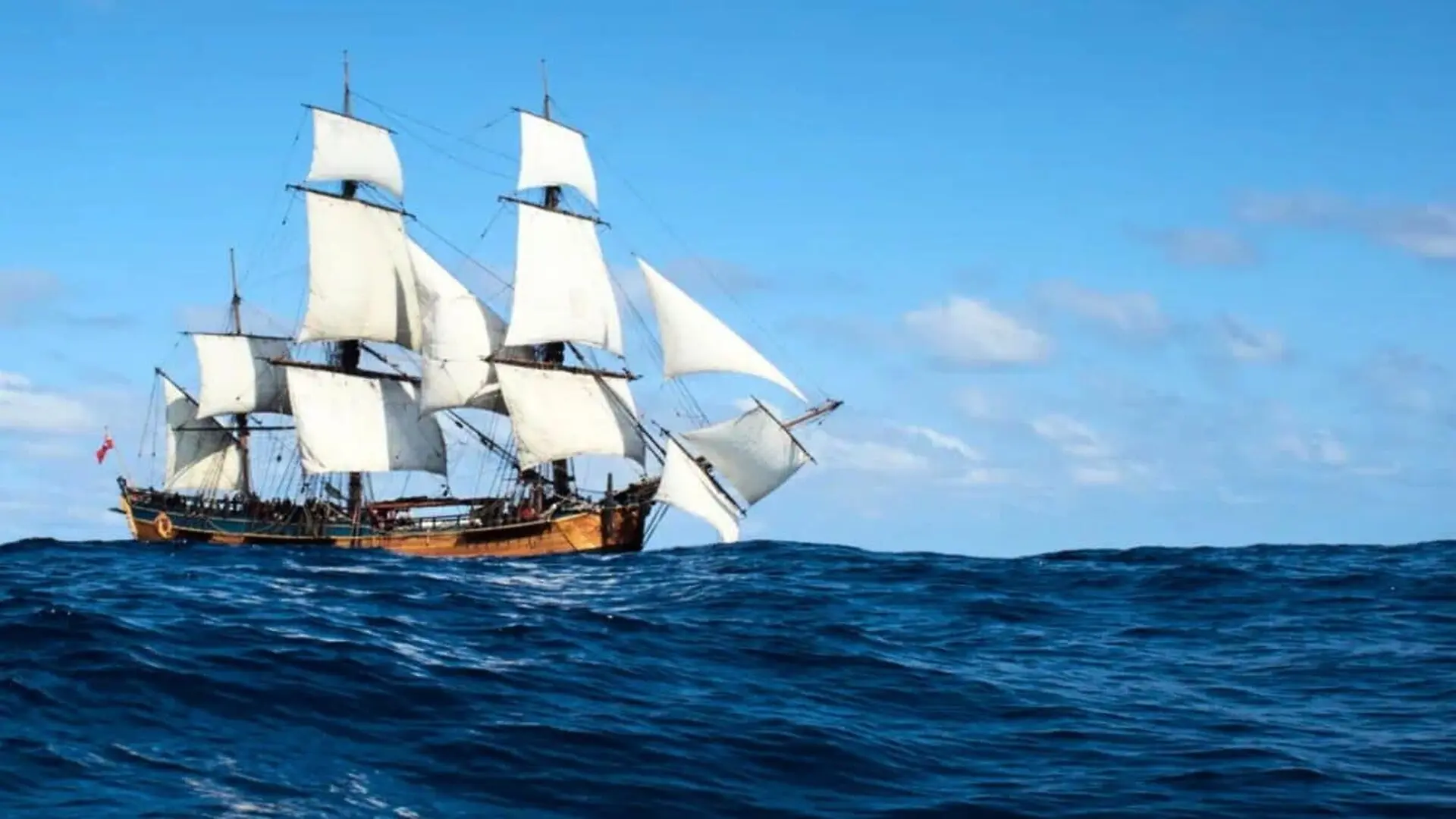
After more than two decades of archival sleuthing and underwater excavation, researchers say they have finally pinpointed the remains of the ship that once carried Captain James Cook on his historic 1768‑1771 voyage. The wreck, located in Newport Harbor, Rhode Island, is identified as the former HMS Endeavour, later renamed Lord Sandwich, a vessel that embodies both the spirit of Enlightenment exploration and the early phases of British colonisation in Australia.
Launched in 1764 as the merchantman Earl of Pembroke, the ship entered Royal Navy service in 1768 and was rechristened HMS Endeavour. Under Cook’s command it sailed around the world, mapped New Zealand, and charted the eastern seaboard of Australia. In 1770 the vessel’s crew claimed the eastern continent for Britain, naming it New South Wales, a claim that preceded the establishment of the penal colony at Sydney by eighteen years.
From Archival Clues to Site RI 2394: How the Hunt Progressed
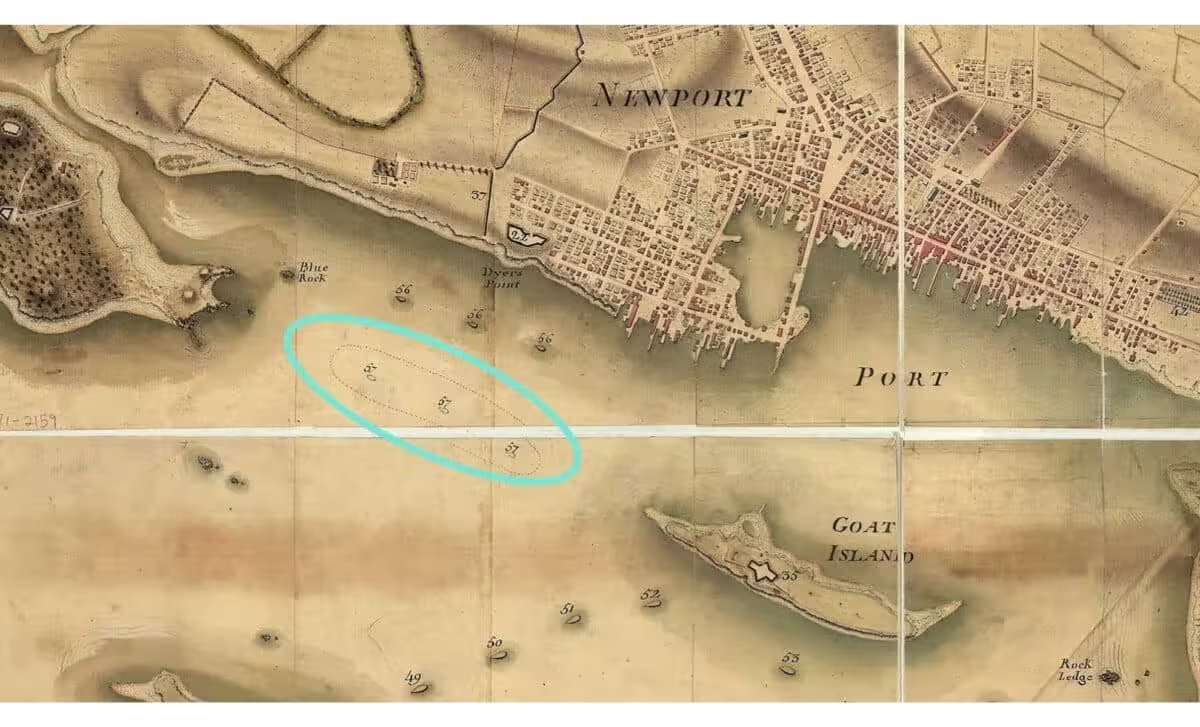
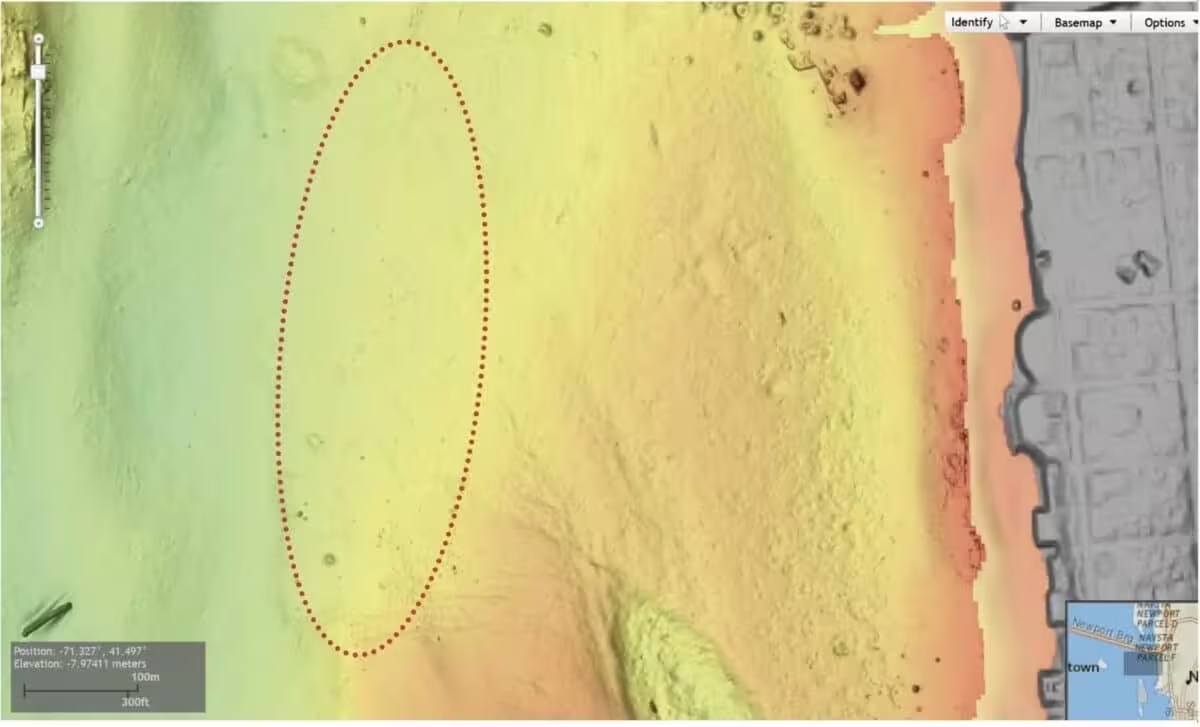
The investigation began in 1999 when the Australian National Maritime Museum teamed up with the Rhode Island Marine Archaeology Project (RIMAP) to cross‑reference 18th‑century naval records with dozens of shipwreck sites scattered across Newport Harbor. Their analysis singled out archaeological site RI 2394 as the most plausible candidate for the Endeavour’s final resting place.
Investigators compared surviving hull fragments with the original 1760s ship plans, scrutinising dimensions, construction methods and timber composition. Measurements of the surviving scantlings matched a British‑built vessel of over 350 tons, while the wood itself—white oak and elm—originated from European sources, contrasting with the native timbers typically used in contemporary American shipbuilding.
Structural Details That Confirm the Ship’s Identity
Two distinctive construction features proved decisive. First, a centrally located pump well aligns exactly with the position indicated on the original Endeavour schematics, a match described by the Australian National Maritime Museum as a pivotal piece of evidence. Second, archaeologists uncovered a keel‑stem scarph joint—a complex timber link used in 18th‑century shipyards to attach the keel to the bow. The joint’s design mirrors the Endeavour’s shipyard drawings and is rare among known wrecks, with only a single comparable example documented from Bermuda.
Historical documents corroborate these findings. After Cook’s voyage, the vessel was sold, renamed Lord Sandwich and pressed into service during the American Revolutionary War. In 1778 the ship was deliberately sunk along with twelve other vessels in Newport Harbor to obstruct the advancing French fleet.
Ongoing Debate and Future Protection Plans
The museum announced in February 2022 that the wreck was the Lord Sandwich, formerly the Endeavour, citing a “preponderance of evidence.” RIMAP immediately questioned the timing of that statement, insisting that a definitive identification requires a convergence of multiple lines of proof rather than reliance on any single artifact or feature.
In a comprehensive June 2025 report, the Australian National Maritime Museum addressed those concerns by expanding the comparative dataset to include dozens of 18th‑century Atlantic wrecks. The authors argue that none of the surveyed vessels matches RI 2394 as closely as the Endeavour, and they note that no substantive counter‑evidence has emerged from subsequent conference presentations.
While RIMAP has not formally endorsed the museum’s conclusion, the two groups acknowledge each other’s contributions to the historical record. The museum’s report also warns that marine borers such as shipworms and gribbles are steadily degrading exposed timbers, even as buried sections have survived nearly 250 years thanks to protective silt, ballast and low‑oxygen conditions. Consequently, the authors recommend ongoing preservation measures and a coordinated educational program that presents the ship’s dual legacy of scientific discovery and colonial impact.
Legal oversight of the site rests with the Rhode Island Historical Preservation and Heritage Commission, which assumed jurisdiction over the scuttled vessels in 1999. The commission is tasked with issuing archaeological permits and safeguarding the wreck from further deterioration.
This article has been fact checked for accuracy, with information verified against reputable sources. Learn more about us and our editorial process.
Last reviewed on .
Article history
- Latest version
Cite this page:
- Posted by Vikram Desai