Double-Quake Terror: Why Two Massive 7-Magnitude Shakes Hit Venezuela Within 39 Seconds
Back-to-back tremors razed buildings, likely caused landslides and killed at least 235 people, with damage still being assessed.
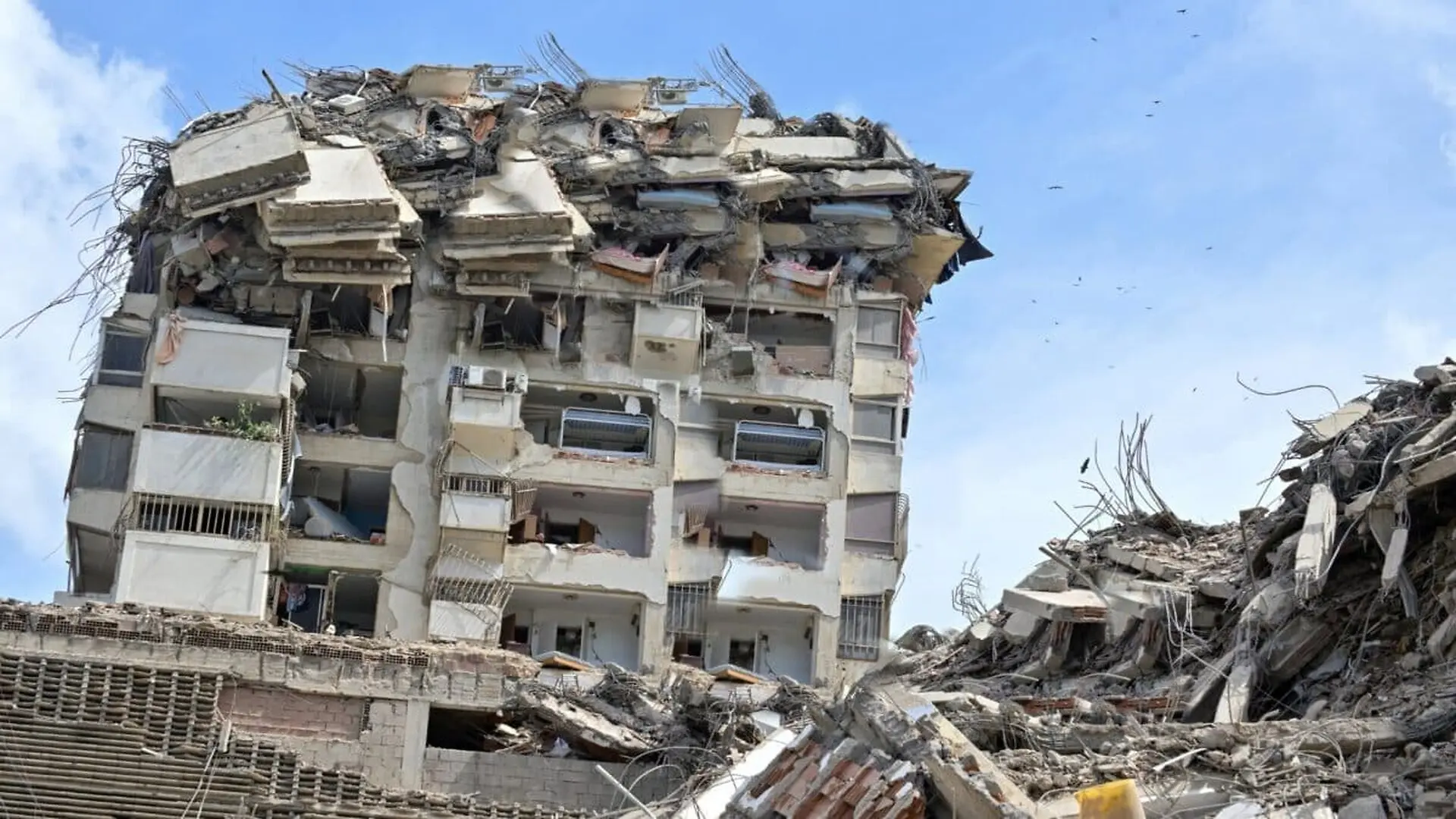
When earthquakes strike in rapid succession, the first tremor can weaken buildings, making them highly susceptible to collapse when a second, more powerful shock follows. The compounded effect often overwhelms emergency responders before any repairs can begin.
Such a scenario unfolded in northern Venezuela on the night of 24 June. The area rests on a complex network of faults where the Caribbean and South American plates converge, and that week‑end the crust released energy in what seismologists term a doublet earthquake – two major ruptures occurring within seconds of each other on the same fault system.
Twin Quakes Hit Within a Minute, 39 Seconds Apart
The first rupture registered a magnitude of 7.2, and just 39 seconds later a magnitude‑7.5 shock followed, becoming the larger of the pair. Both events were centered near Yumare, roughly 300 km from Caracas, where residents felt strong shaking.
According to the U.S. Geological Survey, the earthquakes originated at a shallow depth of about 10 km. Shallow tremors generate more intense surface motion than deeper ones of comparable size. The USGS also highlighted that many homes in the densely populated region are constructed from unreinforced brick and adobe, materials that provide little resistance to severe ground motion.
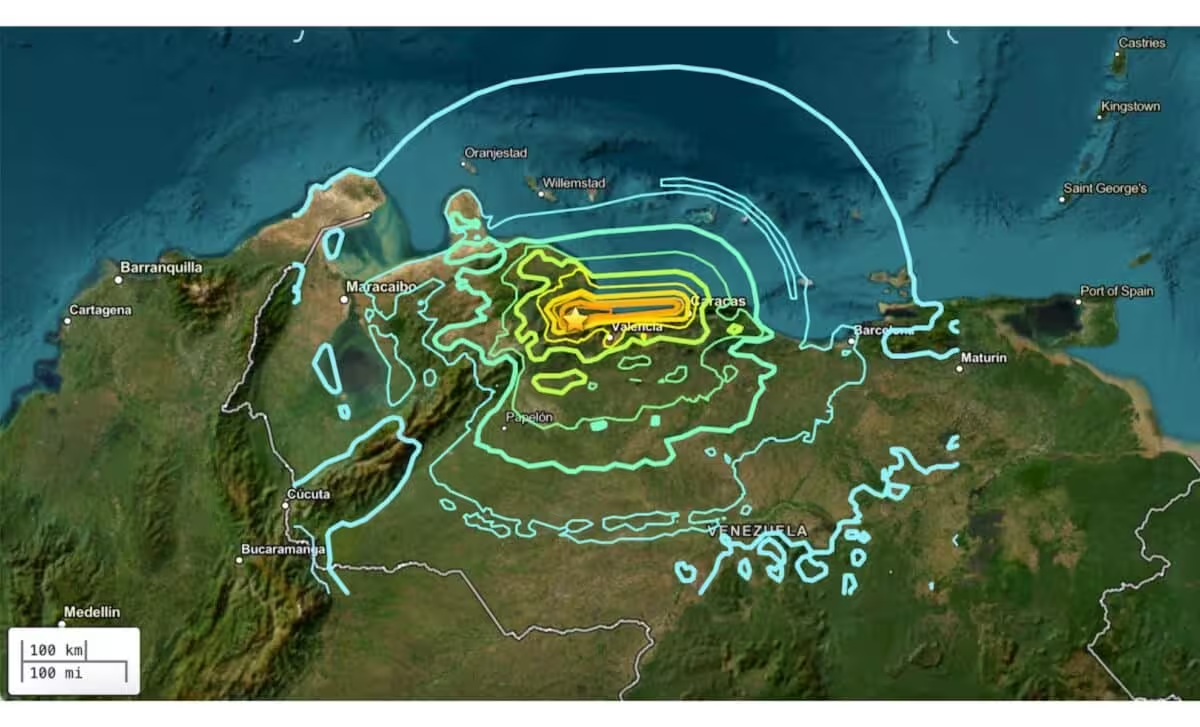
Aftershocks Expected to Persist for Days
The initial quakes are only the beginning of a prolonged shaking episode. The USGS warns that aftershocks will likely continue to affect the region for several days, with high probabilities of additional strong events.
Forecasts for the next week indicate a 99 percent chance of at least one aftershock of magnitude 4 or greater, a 98 percent chance of a magnitude‑5 event, and a 43 percent chance that an aftershock could reach magnitude 6.
Structural geologist Franck Audemard of Universidad Central de Venezuela reported feeling three aftershocks in eastern Caracas as of Wednesday night, underscoring that the fault system is still releasing stress while recovery efforts begin.
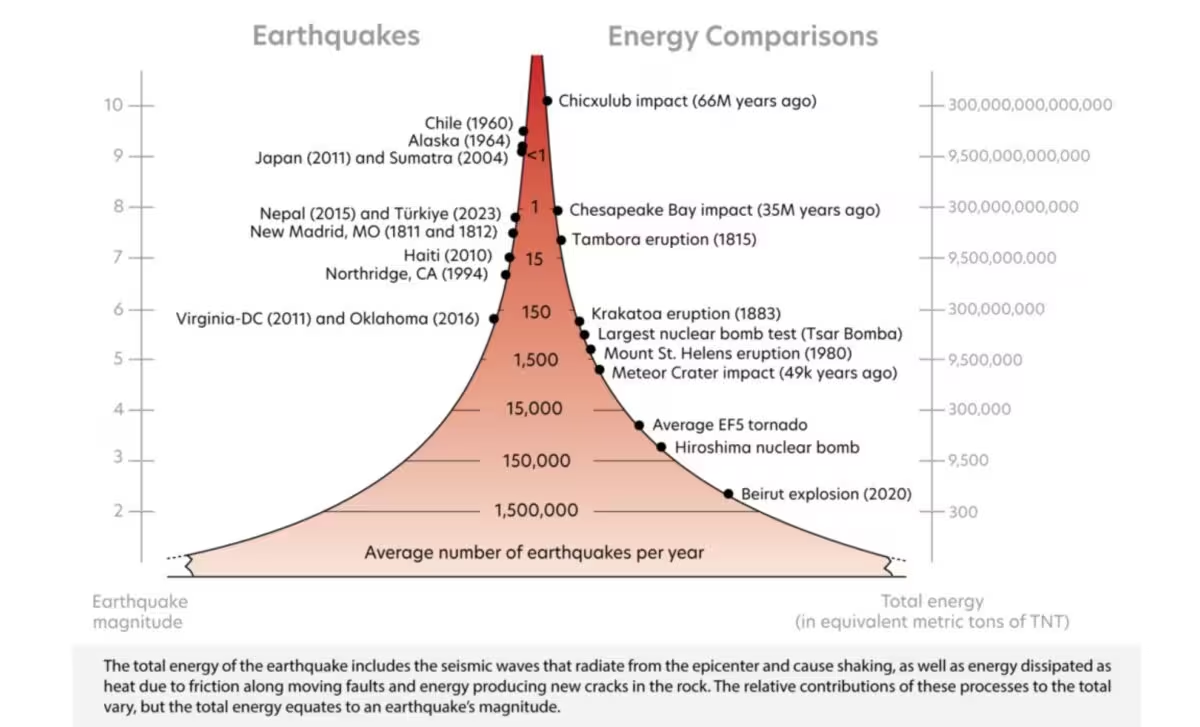
Historic Fault Junction Behind the Quake
The seismic activity is traced to the intersection of the Caribbean and South American plates along Venezuela’s northern coast. The primary strike‑slip fault, known as the Oca‑Ancón or El Pilar fault, runs east‑west and moves laterally at about 20 mm per year.
At the point where this fault meets the northeast‑southwest trending Bonocó fault, the twin earthquakes originated, most likely along the east‑west‑oriented Oca‑Alcón/El Pilar segment, according to Earthquake Insights.
The region is no stranger to major tremors. A magnitude 7.7 quake struck near Caracas in 1900, and seven other events exceeding magnitude 6 have been recorded over the past century. Yet the June 24 doublet is the strongest shaking the area has experienced since the 1900 disaster, highlighting the immense energy released at this long‑active fault junction.
This article has been fact checked for accuracy, with information verified against reputable sources. Learn more about us and our editorial process.
Last reviewed on .
Article history
- Latest version
Reference(s)
- “Pager.” <https://earthquake.usgs.gov/earthquakes/eventpage/us6000t7zc/pager>.
- “About - Earthquake Insights.” <https://earthquakeinsights.substack.com/about>.
Cite this page:
- Posted by Vikram Desai