First South American Amber Insects, 112 Million Years Old, Reveal Hidden Cretaceous Forest
Scientists reveal a dinosaur‑era surprise frozen in amber, offering a pristine glimpse into prehistoric life.
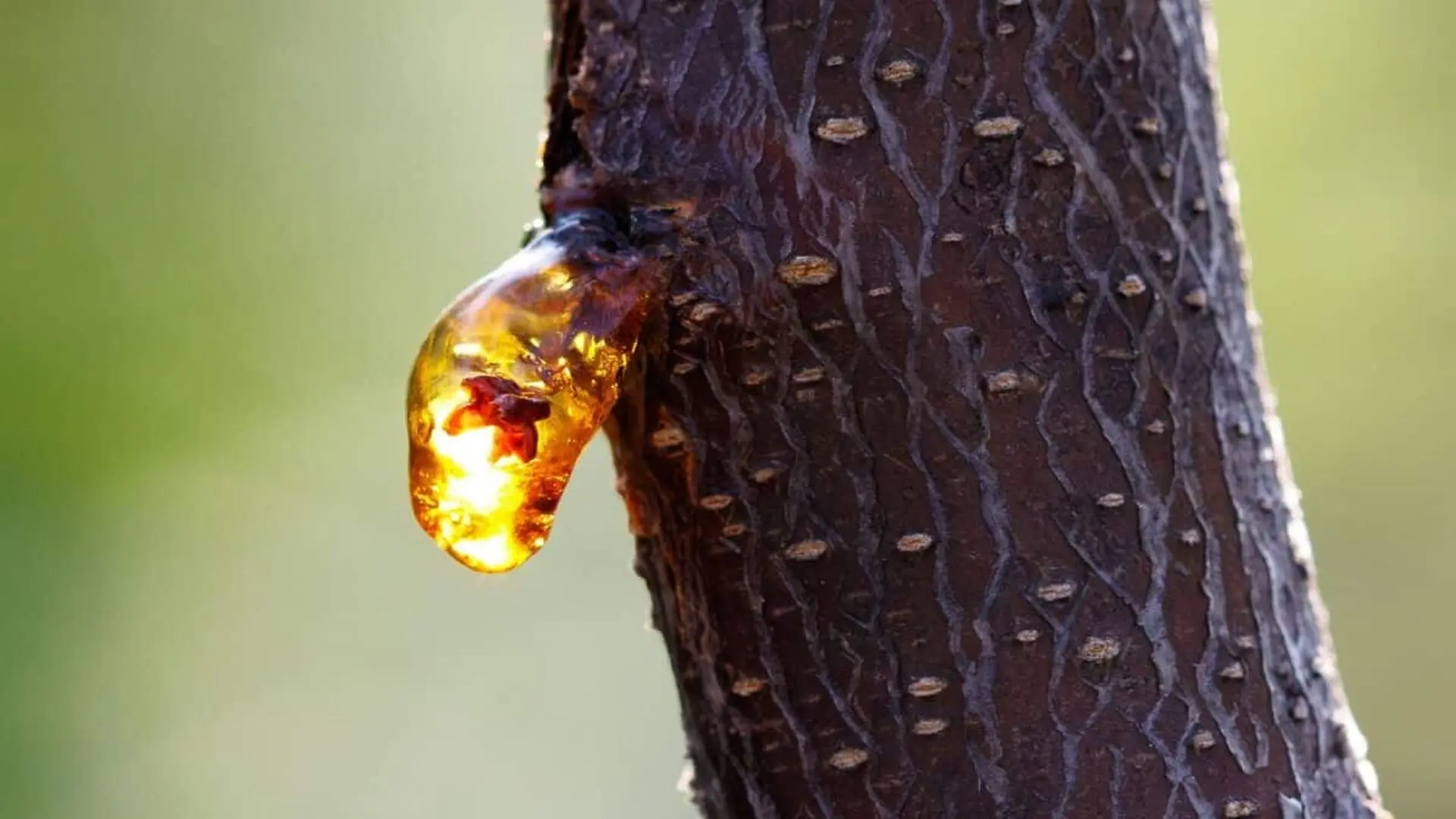
Scientists have uncovered a suite of insects dating back 112 million years, exquisitely preserved in amber from Ecuador, providing a rare glimpse of a forest that thrived during the age of dinosaurs. This marks the first confirmed instance of insects trapped in amber from South America.
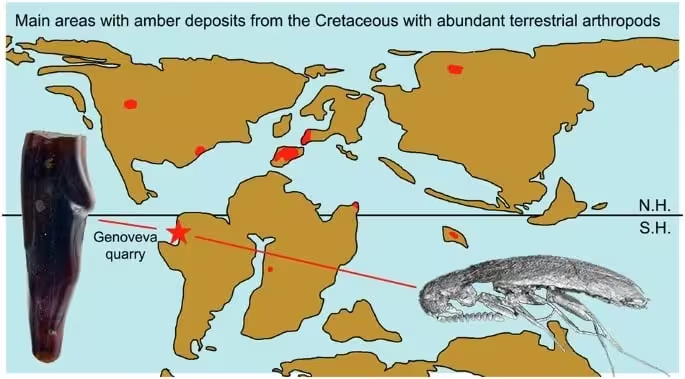
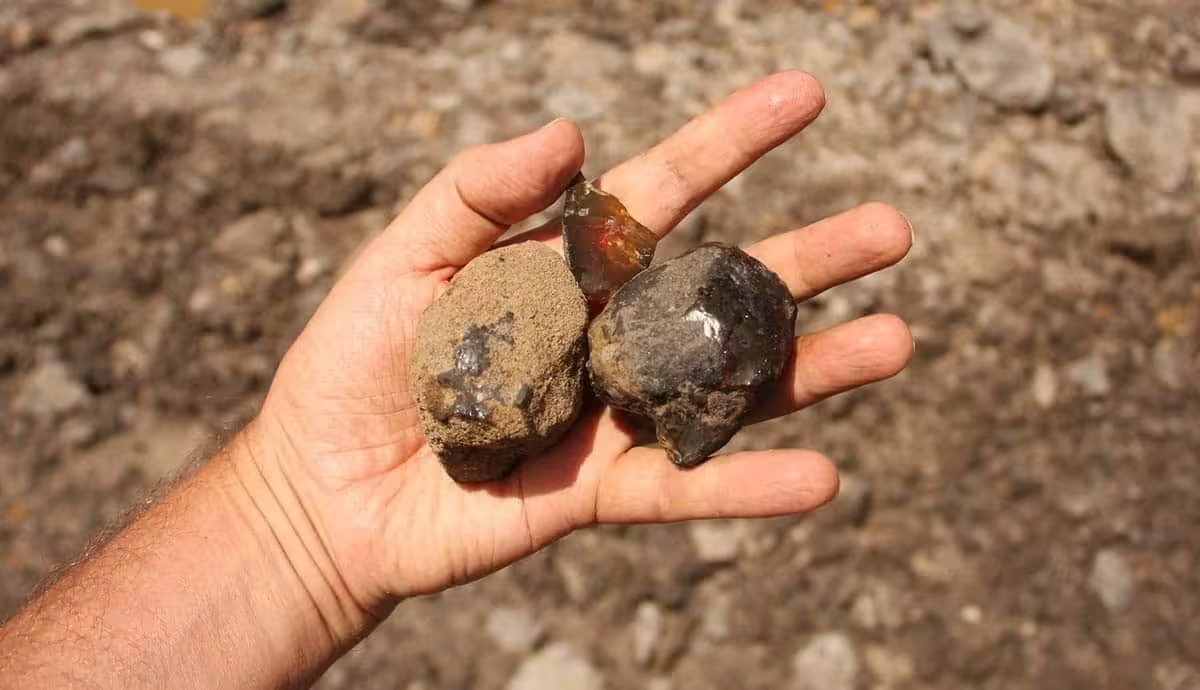
The specimens emerged from amber fragments recovered at the Genoveva quarry, where ancient tree resin solidified into stone and locked tiny organisms in place, effectively snapshotting a fragment of a prehistoric ecosystem.
While amber bearing terrestrial life is abundant in many regions, South America has long lacked such records. New research published in Communications Earth & Environment uses these fossils to bridge that gap and shed light on life across the ancient supercontinent Gondwana.
Beyond cataloguing species, the inclusions also paint a picture of the landscape over 100 million years ago, a period when Earth’s forests were undergoing profound transformations.
Insect Fossils Reveal Cretaceous Ecosystem in Ecuador
A systematic analysis of 60 amber pieces from the Ecuadorian deposit uncovered 21 distinct bioinclusions, the term for organisms trapped inside amber. Flies dominated the collection, representing more than half of the findings.
Among the discoveries was a candidate for a new species of Microphorites, an extinct lineage of flies known solely from amber. The team also identified a beetle, a springtail, a caddisfly, fragments of spider silk, and several parasitic insects.
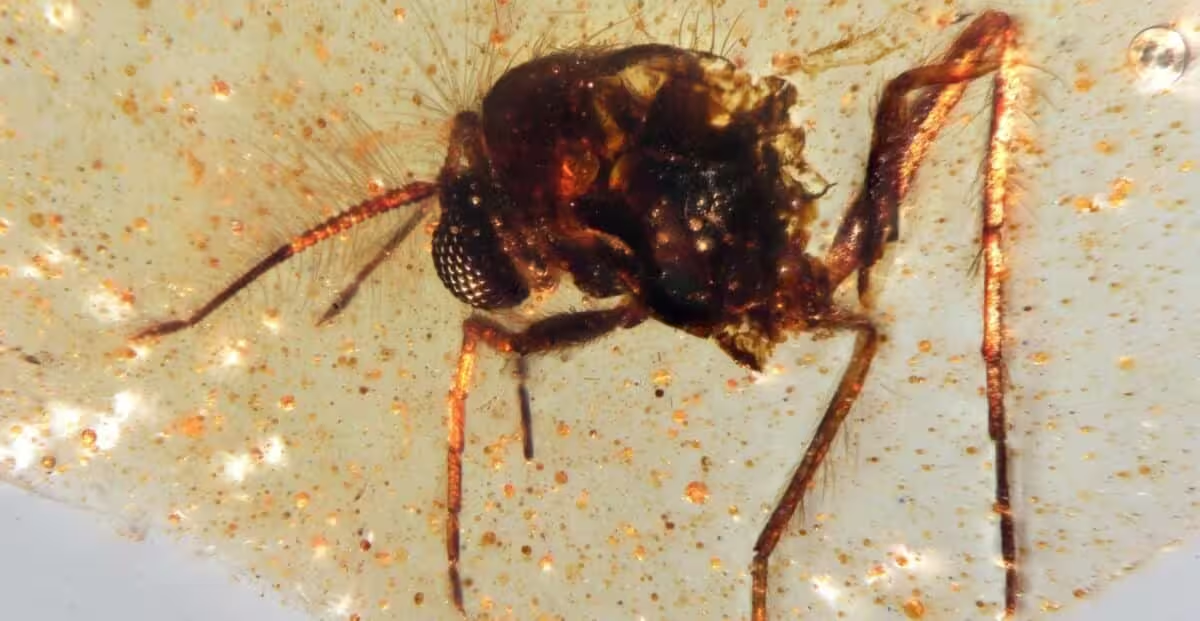
Two parasitoid wasps were also captured, offering clues about predator‑prey dynamics in the ancient forest. A male midge belonging to a blood‑feeding group added to the ecological picture. Lead author Xavier Delclòs of the University of Barcelona noted the unexpected abundance of amber at the site.
“We never expected to find such a rich deposit, with thousands of amber pieces within a layer just 70 centimetres thick. Seeing so much amber in situ was truly thrilling, and it’s much richer than any other known Cretaceous amber deposit in the northern hemisphere.”
Insights into Ancient Waterways and Vegetation
The presence of a caddisfly is particularly telling, as modern relatives develop in aquatic habitats. This suggests that streams, ponds, or other freshwater bodies existed near the resin‑producing trees.
Concurrent plant fossils from the same strata depict a verdant setting dominated by ferns and fern‑like flora, with flowering plants and conifers interspersed throughout.
Evidence points to a humid, densely forested environment that was considerably wetter than many contemporaneous South American locales. Such conditions likely drove prolific resin production, giving rise to the extensive amber beds.
South America’s Missing Amber Record Gets Filled
The amber dates to the Cretaceous Resinous Interval, spanning roughly 125 to 72 million years ago, a time when large amber deposits formed worldwide.
Well‑known Cretaceous amber sites are clustered in former Laurasian territories—present‑day Europe, Asia and North America—where deposits have yielded everything from dinosaur feathers to ancient fungi.
“There are several reasons why amber with terrestrial bioinclusions hasn’t been found in South America until now,” Xavier said in a statement released by The Natural History Museum. “On the one hand, it’s likely that the search for amber in this continent is not as advanced as in the northern hemisphere so it may be due to limited sampling.”
The Ecuadorian find confirms that such amber deposits existed in Gondwana and offers a direct window into a thriving forest ecosystem that flourished 112 million years ago, preserving insects, their interactions, and traces of a world that vanished long before humans appeared.
“This will give a better idea of how the region was changing as the two great southern continents, South America and Africa, began to drift apart. Studying the fauna and flora of these ancient ecosystems is essential for understanding the palaeobiogeography of many groups both living and dead,” he added.
This article has been fact checked for accuracy, with information verified against reputable sources. Learn more about us and our editorial process.
Last reviewed on .
Article history
- Latest version
Reference(s)
- “Grup de Geologia Sedimentària - Equip.” <https://www.ub.edu/sedimentary-geology/ca/equip/xavier_delclos.php>.
- “Ancient insects trapped in amber discovered in South America for the first time | Natural History Museum.” <https://www.nhm.ac.uk/discover/news/2025/september/ancient-insects-trapped-amber-discovered-south-america-first-time.html>.
Cite this page:
- Posted by Vikram Desai