Hidden 6‑Foot Hieroglyph‑Covered Sarcophagus Unearthed in Aswan’s Vast Necropolis
New research uncovers the vast scale and prolonged use of the ancient burial landscape.
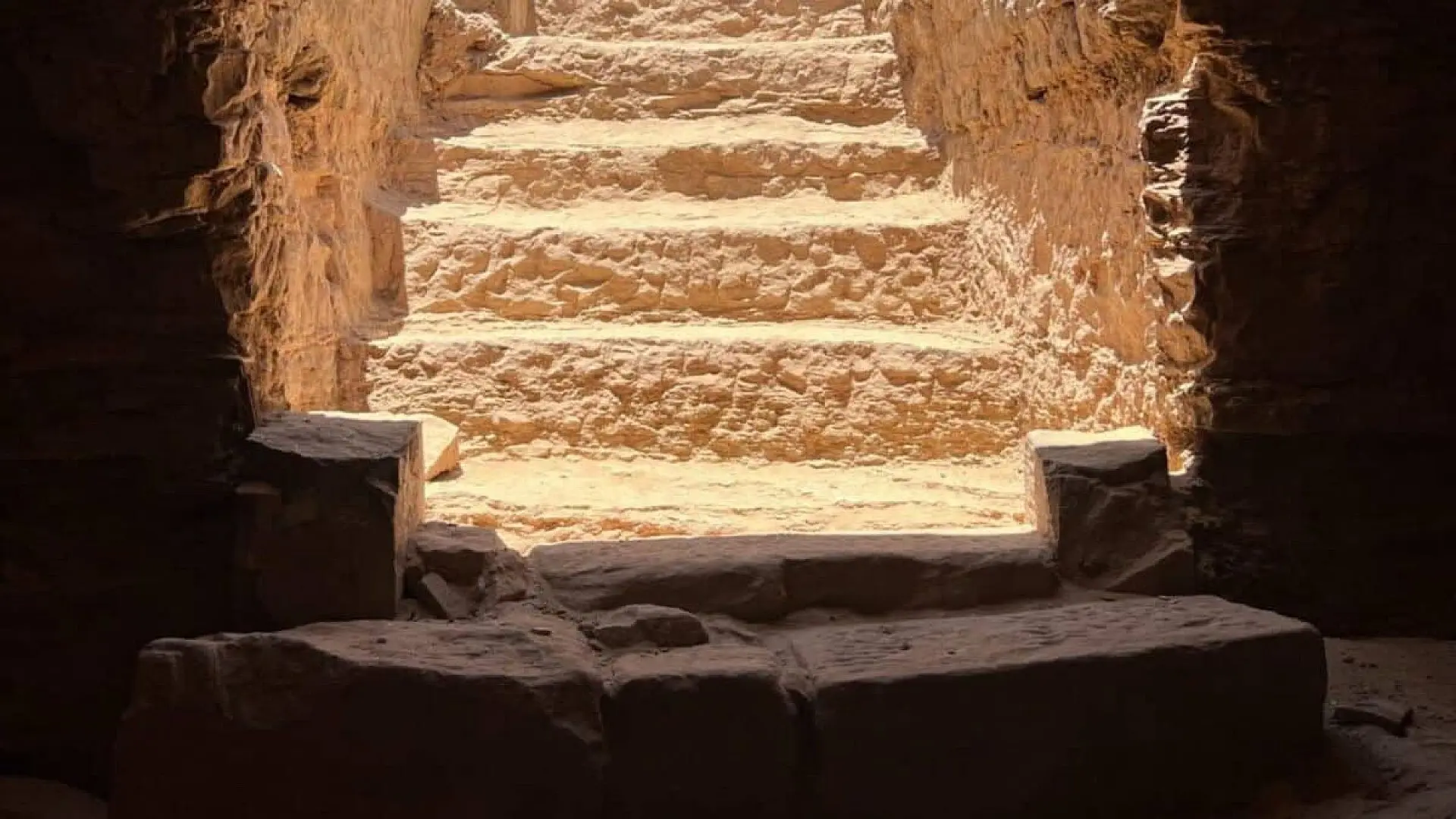
Excavators uncovered a nine‑step stairwell near Egypt’s Aga Khan Mausoleum that leads to an underground chamber housing a six‑foot limestone sarcophagus adorned with hieroglyphic texts. The find adds new detail to a sprawling burial ground that served the region for centuries.
The discovery results from a collaborative Egyptian‑Italian mission directed by Egypt’s Supreme Council of Antiquities together with the University of Milan. Team members describe the tomb as one of the most architecturally striking examples uncovered at the site.
The burial belongs to the extensive Aga Khan necropolis, a cemetery that accommodated a mixed population along Egypt’s southern frontier during the Ptolemaic and Roman eras. Ongoing research is revealing just how large the funerary landscape was and how long it remained active.
Limestone Coffin Inscribed with Ancient Prayers
Access to Tomb No. 38 begins with a staircase that descends nine steps below the surface. Mudbrick benches line the sides of the stairs, likely intended for offering placements during funerary rites.
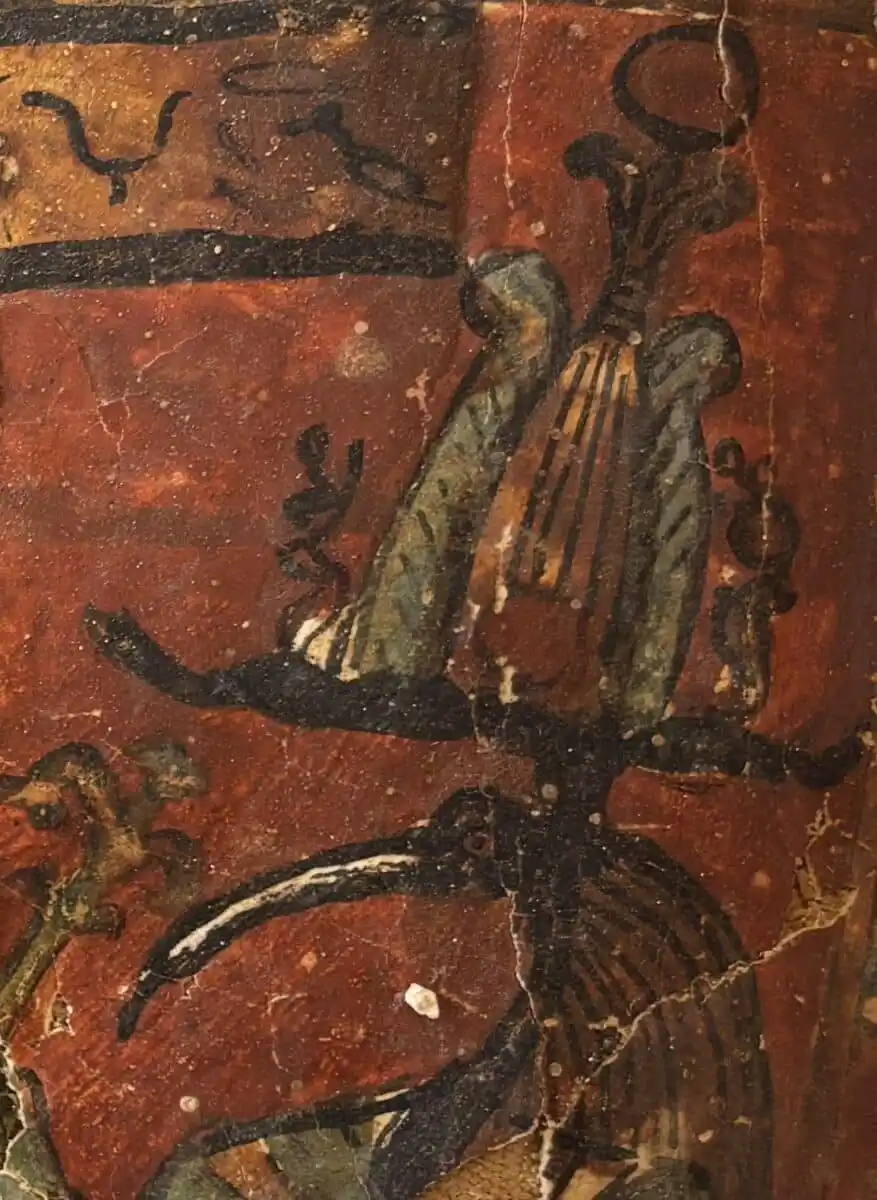
At the base of the staircase a limestone sarcophagus roughly six feet in length rests on a rock‑carved platform. In a statement posted on Facebook, the Egyptian Ministry of Tourism and Antiquities explained that vertical hieroglyphic inscriptions run along the monument, invoking local deities and naming the tomb’s owner as Ka‑Mesiu, a senior official.
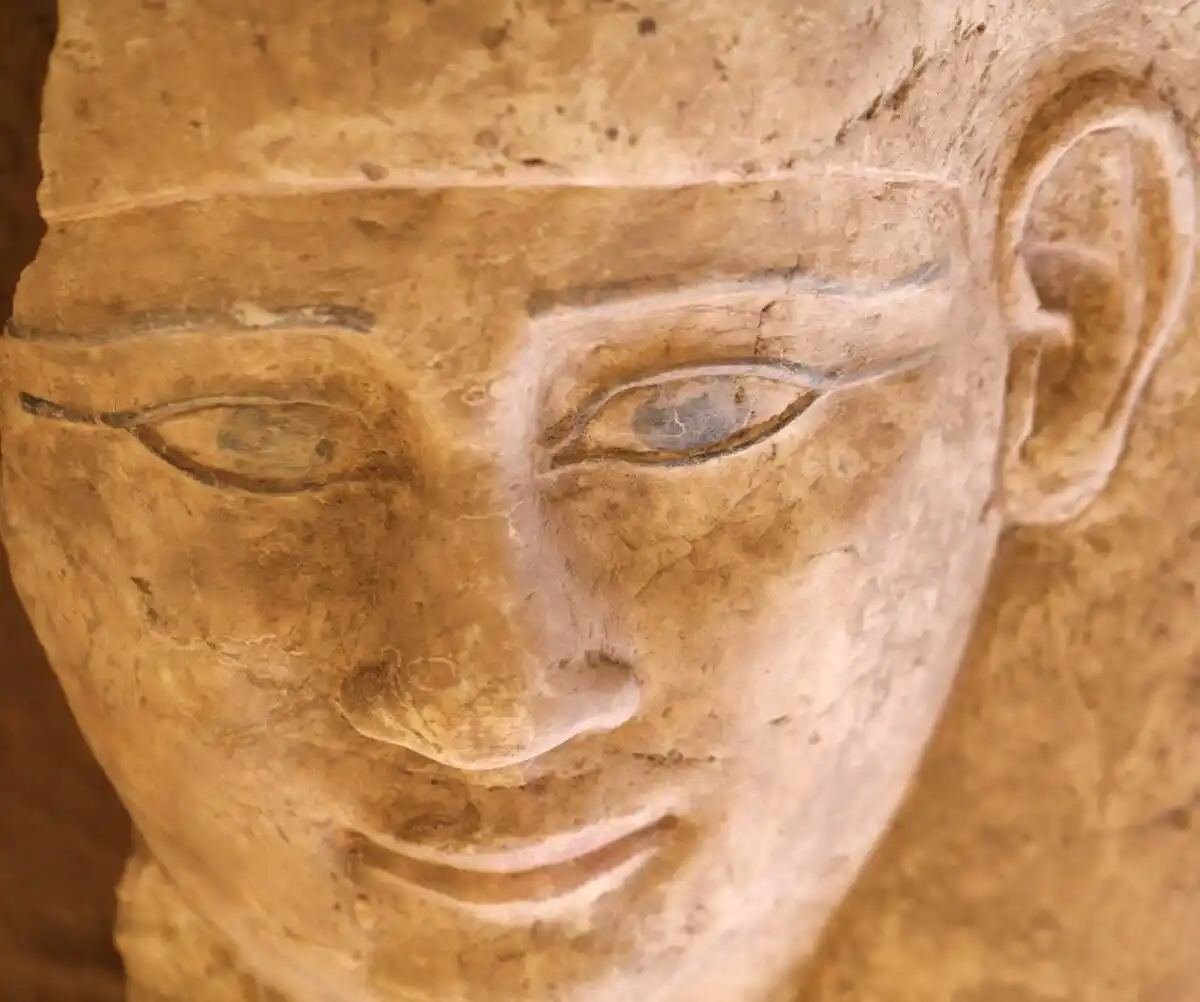
The lid, shaped in an anthropoid form, displays a carefully modeled human face, a wig, and traces of original paint. The tomb also contained several mummies, among them children, although researchers have not clarified whether all the bodies were placed inside the sarcophagus.
A Vast Burial Complex Extends Far Beyond Initial Finds
While the sarcophagus is impressive, it represents only a fraction of a much larger archaeological puzzle. A 2026 chapter in the University of Milan proceedings notes that more than 400 tombs have been georeferenced across over 75,000 square meters of the necropolis. The same study reports that originally more than 500 tombs were mapped and suggests the entire cemetery could span roughly 200,000 square meters. To date, excavations have covered about 25,000 square meters, leaving much of the area unexplored.
In antiquity, Aswan functioned as a multicultural hub inhabited by Egyptians, Nubians, Persians, Phoenicians, Greeks and Romans. Tomb No. 38 therefore forms part of a burial ground that served this diverse community around Elephantine and Syene.
“the newly uncovered tombs offer new insights into the social dynamics of the region during the Ptolemaic and Roman periods and reinforce Aswan’s historic status as a major cultural center in southern Egypt.”
Technology Sheds Light on Millennia of Interment
The broader necropolis is helping archaeologists track changes in burial customs over time. Mohamed Ismail Khaled, secretary general of the Supreme Council of Antiquities, noted that the site was utilized by different social groups across several centuries.
Elite families were interred at the plateau’s summit, while middle‑class burials clustered along the slopes near the Aga Khan Mausoleum. Artifacts and mummified remains recovered from tombs AGH038 and AGH039 date from the 3rd century BC to the 2nd century AD.
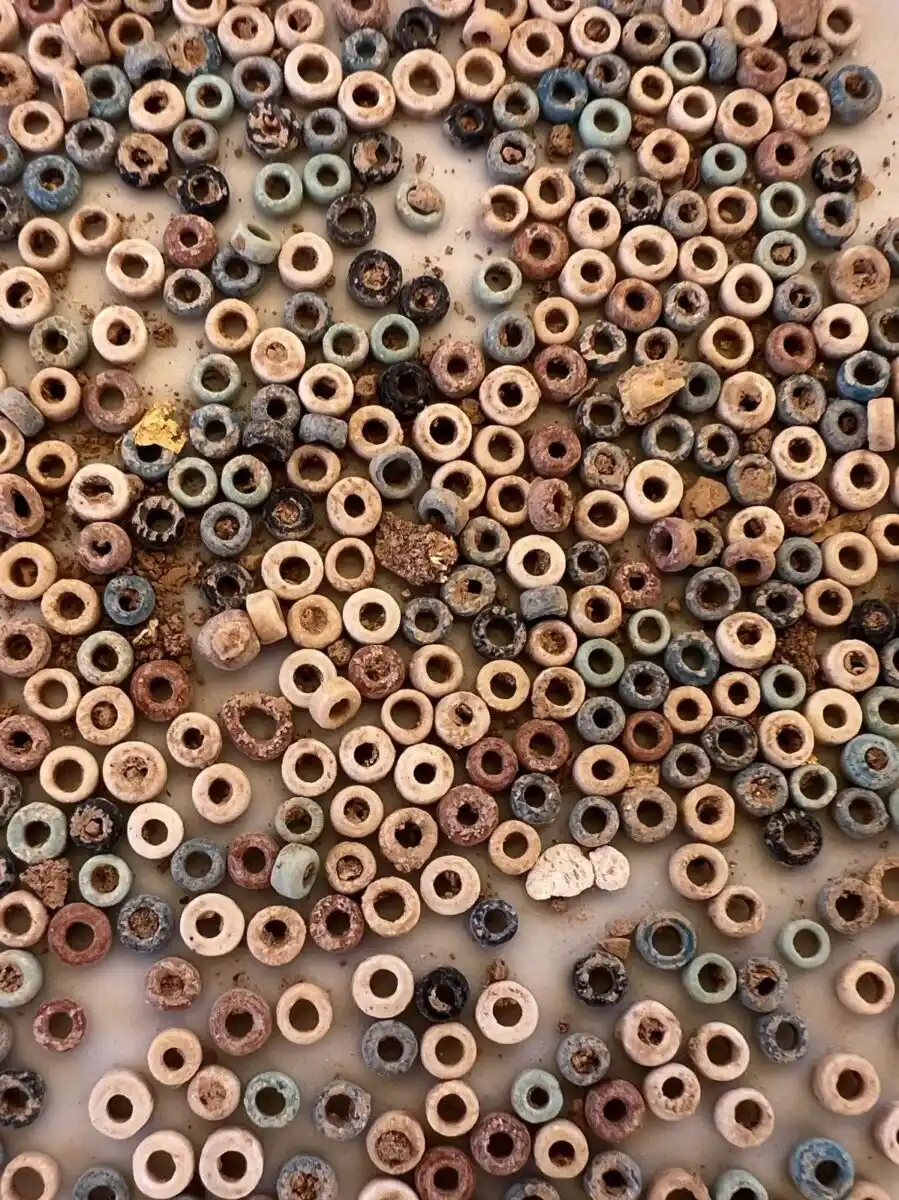
CT scans of two mummies from Tomb AGH026 revealed they were not a mother‑child pair, as previously thought, but two children aged roughly four to six and eight to nine years.
This article has been fact checked for accuracy, with information verified against reputable sources. Learn more about us and our editorial process.
Last reviewed on .
Article history
- Latest version
Reference(s)
- “Mohamed Ismail Khaled | HENI News Profile.” HENI News <https://heni.com/news?artist=Mohamed%20Ismail%20Khaled>.
Cite this page:
- Posted by Vikram Desai