Dredging Uncovers 19 Revolutionary War Cannons Hidden in Savannah River
River dredging uncovers rusted weapon, exposing a centuries-old Revolutionary War secret hidden beneath the water.
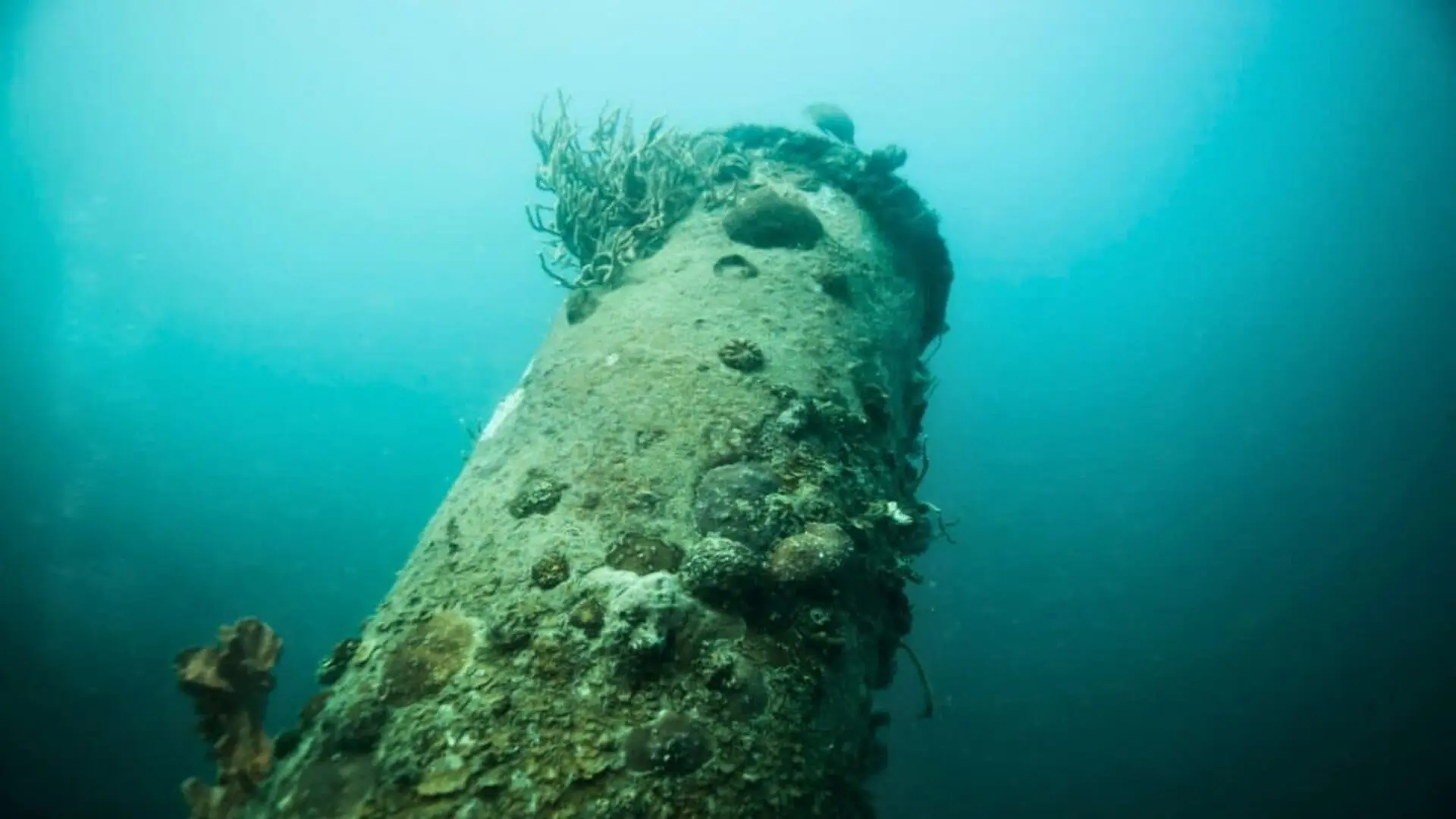
While a $973 million harbor‑expansion crew was deepening a 40‑mile portion of the Savannah River, a clamshell dredge pulled up a rust‑covered cannon, a heavy iron weapon that had lain submerged since the Revolutionary War. The unexpected find sparked a broader investigation into the river’s hidden past.
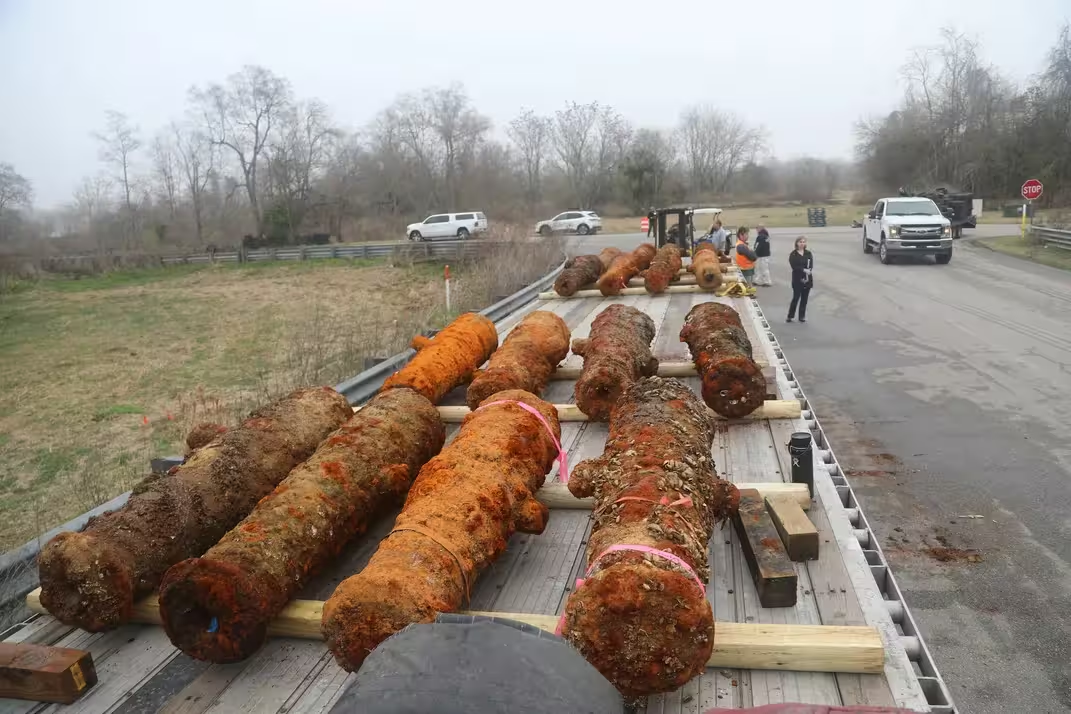
By 2022, divers and engineers had unearthed a total of 19 cannons, each tipping the scales at over 1,000 pounds. What began as a construction surprise evolved into a story about British occupation, wartime river defenses, and Savannah’s strategic role in the fight for independence.
The artifacts emerged near Old Fort Jackson, where layers of silt and murky water had concealed them for centuries. Initial speculation linked the metal pieces to nearby Civil‑War wreckage, but further analysis dated them to the mid‑1700s, tying them to the British struggle for control of Savannah during the Revolution.
Construction Dredging Uncovers Historic Ordnance
The first three pieces surfaced in late February 2021 as a hinged clamshell dredge prepared the riverbed for deepening. The Associated Press noted that workers also retrieved a ship’s anchor and a sizable wooden beam, underscoring the historical significance of the dredging zone.
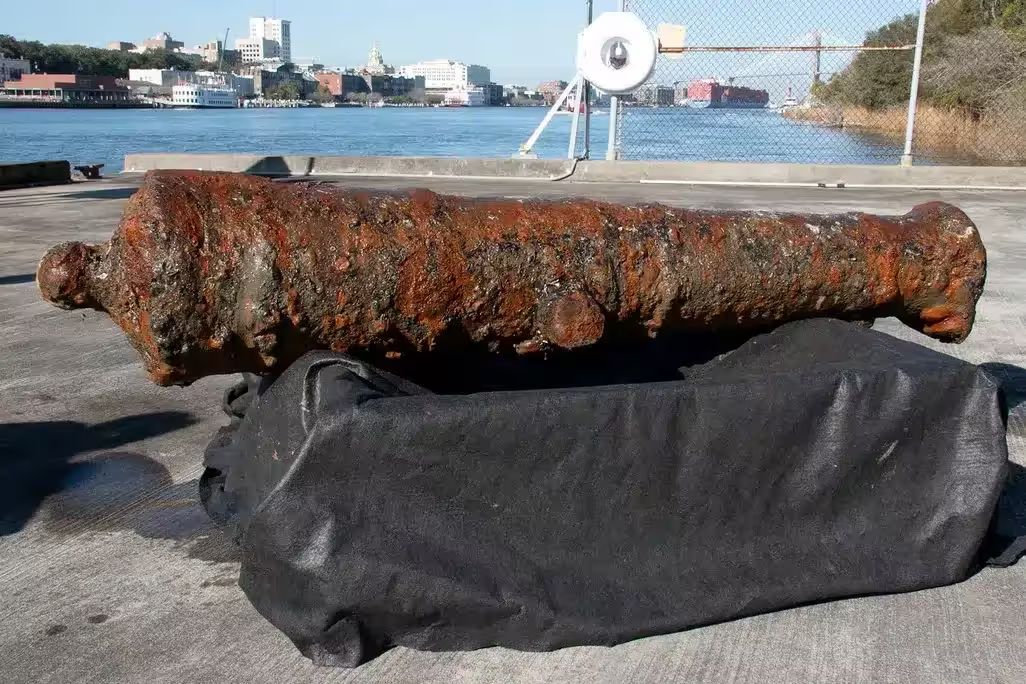
The discovery prompted a temporary pause while officials assessed the potential for additional finds. Divers struggled with the river’s poor visibility, so experts turned to sonar and other remote‑sensing techniques, which ultimately led to the identification of 19 cannons buried in the sediment.
In March 2022, the U.S. Army Corps of Engineers, Savannah District confirmed that maintenance dredging had yielded enough additional artillery to bring the total count to 19. The Corps explained that many of the weapons had been missed in earlier surveys because they were deeply embedded in the river’s silt.
British Wartime Blockade Confirmed by Analysis
Metallurgical testing placed the cannons’ manufacture in the mid‑1700s. While a definitive ship‑origin remains under review, archival records suggest a strong link to the HMS Savannah, a vessel involved in the British effort to block the river’s access.
Historical documents indicate that the HMS Savannah, HMS Venus, and other transport ships were deliberately sunk—armaments intact—in an area known as Five Fathom Hole. The wrecks were intended to impede the French fleet’s advance in September 1779, just weeks before the Siege of Savannah in October 1779, when Franco‑American forces attempted to retake the city.
These findings give the cannons a broader significance: they are not merely isolated weapons but tangible evidence of a British defensive strategy aimed at holding Savannah’s vital port.
Some of the recovered pieces were still loaded, implying they were on a vessel that sank abruptly. Early hypotheses pointed to the HMS Rose, scuttled in 1779, but further research showed the Rose sank farther upstream, ruling it out as the source.
Conservation Efforts Span Multiple Years
Two of the cannons were displayed, still encrusted with rust and sediment, at the Savannah History Museum in 2021. The remaining 17 were transferred to a conservation laboratory at Texas A&M University after safety assessments confirmed the loaded guns posed no immediate hazard.
Because centuries‑long submersion makes iron artifacts extremely fragile when exposed to air, conservators spent several years stabilizing and treating the cannons. Though the precise steps are not detailed in the sources, the process required specialized expertise to render the pieces suitable for public exhibition.
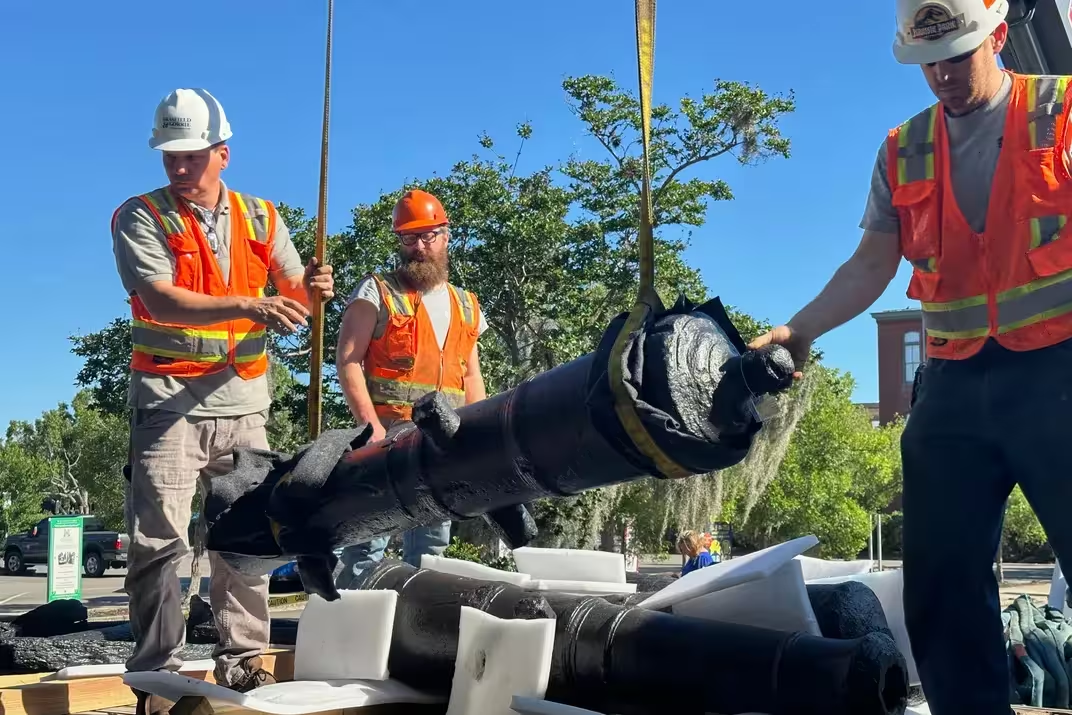
Radiocarbon dating of wooden cannon stoppers placed them in the late 1700s, reinforcing the Revolutionary‑War timeframe. Alongside the artillery, archaeologists recovered anchor fragments and a bronze bell piece, though none bore markings that could pinpoint a specific ship, leaving some uncertainty about the exact provenance of each cannon.
New Museum Exhibit Showcases Restored Artillery
Seventeen of the restored cannons will debut in the “Loyalists & Liberty” exhibition, opening on July 2 2026 at the Savannah History Museum. The Coastal Heritage Society says the show will feature the refurbished Revolutionary‑War guns along with dozens of other artifacts recovered from the river in 2021‑2022.
Framed as part of the America 250 program, the exhibition will explore Savannah’s strategic importance during the Revolution. Curators will also display delicate items such as paper cartridge bags, which are too fragile for long‑term exhibition but will be presented for the duration of the show.
Visitors will have the chance to compare the 17 conserved cannons with the two still encased in sediment, illustrating the transformation from river‑bed relics to museum pieces and highlighting the extensive conservation work that made the display possible.
This article has been fact checked for accuracy, with information verified against reputable sources. Learn more about us and our editorial process.
Last reviewed on .
Article history
- Latest version
Reference(s)
- “Cannons dredged from Savannah River may predate Civil War.”, March 5, 2021 AP News <https://apnews.com/general-news-a638ff37e45a8452ce83ddfe169a7fb8>.
- <https://www.sas.usace.army.mil/Media/News-Releases/Article/2966344/us-army-corps-of-engineers-discovers-more-cannon-in-savannah-river/>.
- “Savannah History Museum – CHS.” <https://chsgeorgia.org/savannah-history-museum/>.
Cite this page:
- Posted by Vikram Desai