Ancient DNA Reveals 5,500-Year-Old Plague That Targeted Siberian Children
Prehistoric graves by Lake Baikal reveal a deadly plague that wiped out families, especially children, prompting a fresh look at the disease’s history.
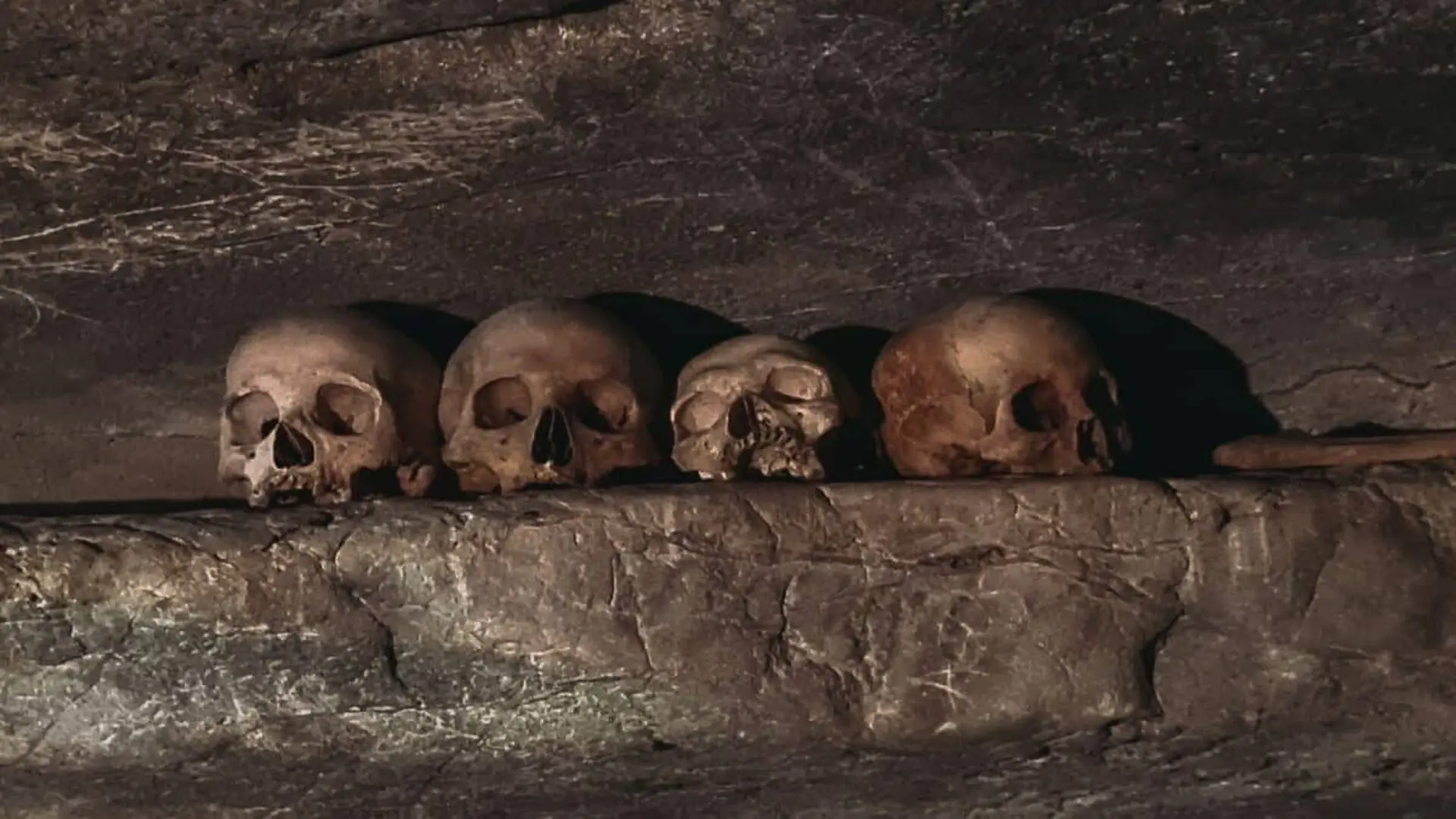
The 14th‑century Black Death remains the most infamous pandemic in recorded history, but a recent article in Nature shows that the plague bacterium Yersinia pestis was already taking a toll on human groups many centuries earlier, well before scholars believed it could spark large‑scale outbreaks.
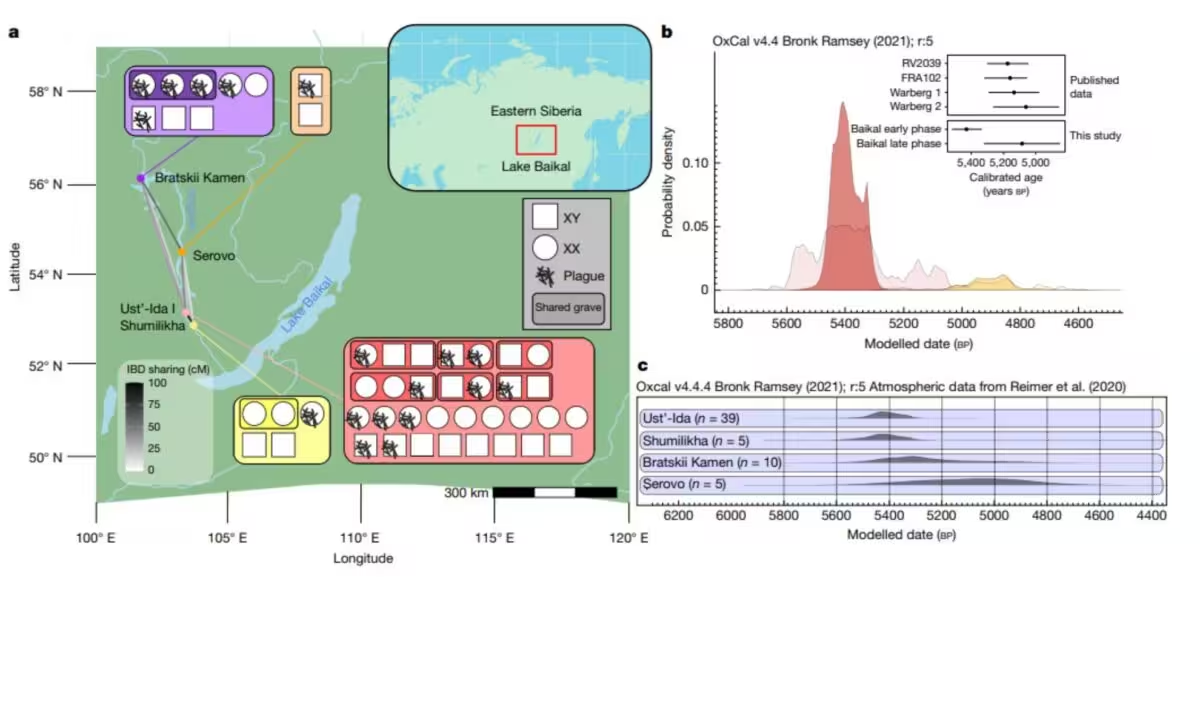
Researchers affiliated with the Baikal Archaeology Project have spent years uncovering four prehistoric burial grounds along the Angara River in southeastern Siberia. Those sites attracted attention for the unusually large number of children and adolescents interred, as well as for graves that contained several individuals buried together. New genetic work suggests that the answer to these burial patterns was hidden in the teeth of the dead.
Genetic Evidence Pushes Plague’s Roots Back by Millennia
Scientists retrieved ancient DNA from the dental cementum of 46 Late Neolithic foragers and discovered that 18 of them carried Y. pestis, a positivity rate of roughly 39 percent—comparable to the detection frequencies seen in confirmed medieval plague victims. Those infected individuals predate the previously earliest documented plague case by about five centuries.
Radiocarbon dating indicates that the deaths did not occur across many generations. According to the Nature report, the burials at the main site fall within a remarkably narrow time window, implying that the community experienced a single‑generation or even a single‑event mortality spike. Reconstructed family trees support this view: siblings were born only a few years apart, parents are missing from the burial clusters, and multiple relatives were laid to rest together.
The Baikal region experienced two distinct mortality episodes separated by several centuries, which the authors interpret as independent spillover events from local animal hosts rather than a sustained human‑to‑human chain. The Siberian marmot, a rodent historically linked to plague transmission in the area, is the leading candidate for the original source; its teeth appear as grave goods at nearby Early Neolithic sites.
Kids Were Disproportionately Victims, Genetic Clues Offer Insight
One of the most striking patterns is the age distribution of the dead. In the two cemeteries with the highest infection rates, the majority of victims were children aged roughly seven to eleven, while young adults—typically the most vulnerable group in zoonotic events—are almost absent.
Analysis of the ancient pathogen’s genome revealed the presence of the ypm gene, which encodes a superantigen toxin also found in the related bacterium Y. pseudotuberculosis. This toxin is known to provoke severe, over‑active immune reactions and has been linked in modern medicine to inflammatory disorders such as Kawasaki‑like syndromes that primarily affect pre‑pubescent children. The Baikal strain’s version of the gene closely matches the most virulent contemporary form, differing at only three positions whose functional impact remains unclear.
The arrangement of co‑burials suggests rapid succession of deaths within families— aunts buried alongside nephews, cousins interred together—pointing to a transmission mode that did not rely on flea vectors. The lack of flea‑associated genes in the ancient strain, combined with the pattern of close‑quarter spread, supports a scenario of direct person‑to‑person infection, likely through airborne droplets in a manner similar to pneumonic plague.
Lead author Ruairidh Macleod emphasized at a press briefing that the findings overturn a long‑standing view that mobile, sparsely populated hunter‑gatherer groups were largely insulated from epidemic disease. “The fact that we’re finding this happening in an isolated group of prehistoric hunter‑gatherers challenges that epidemiological theory,” he told CNN.
The study also pushes the emergence of Y. pestis as a distinct species back to at least 5,700 years ago, earlier than earlier estimates, and bolsters the hypothesis that the bacterium originated in central or northeast Asia rather than in Europe, where older strains had previously been identified.
This article has been fact checked for accuracy, with information verified against reputable sources. Learn more about us and our editorial process.
Last reviewed on .
Article history
- Latest version
Reference(s)
- Macleod, Ruairidh. “Lethal plague outbreaks in Lake Baikal hunter-gatherers 5,500 years ago - Nature.”, vol. 654, no. 8119, pp. 697-705. Nature, doi: 10.1038/s41586-026-10540-5. <https://www.nature.com/articles/s41586-026-10540-5>.
- “Ruairidh Macleod/ - Search Results - PubMed.” PubMed <https://pubmed.ncbi.nlm.nih.gov/?cmd=search&term=Ruairidh%20Macleod>.
Cite this page:
- Posted by Vikram Desai