3,000-Year-Old Clay Goddess Unearthed Under Italian Lake With Its Creator’s Fingerprints
An ancient Italian lake figurine reveals a striking detail that could link it directly to its creator, offering new insight into prehistoric artistry.
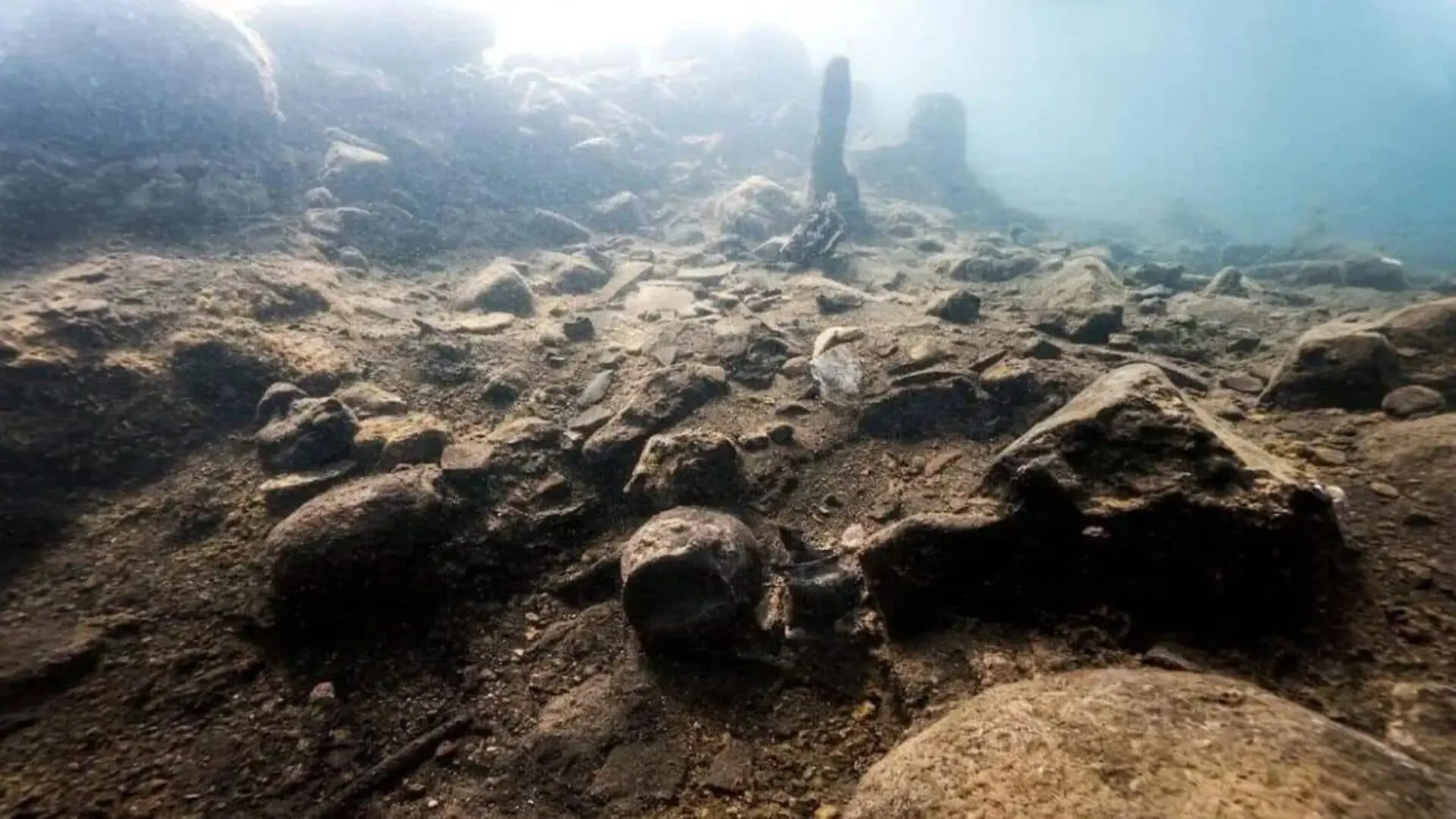
Divers working on an underwater pathway in Lake Bolsena uncovered a six‑inch clay figurine that bears the literal touch of its maker: distinct fingerprints preserved in the soft earth of the artifact. The unfinished female form, recovered in July 2024 at the Gran Carro site, is dated to the 9th‑10th century B.C.E. and is thought to have served as a votive object in domestic rites.
The find adds fresh evidence to a long‑standing underwater archaeological landscape that has yielded thousands of items over the past decades. Each new piece, including this figurine, refines scholars’ understanding of the community that inhabited the lake’s shores during the Early Iron Age.
Hand‑Made Traces Reveal the Artisan’s Touch
Although the statue remains rough and incomplete, the very texture that escaped final polishing has captured the maker’s fingerprints. According to the Superintendence of Archaeology Fine Arts and Landscape for Southern Etruria, the surface still displays “the marks of the fingerprints of the modeler.” Beneath the chest, a faint imprint of fabric suggests the figure may once have been clothed.
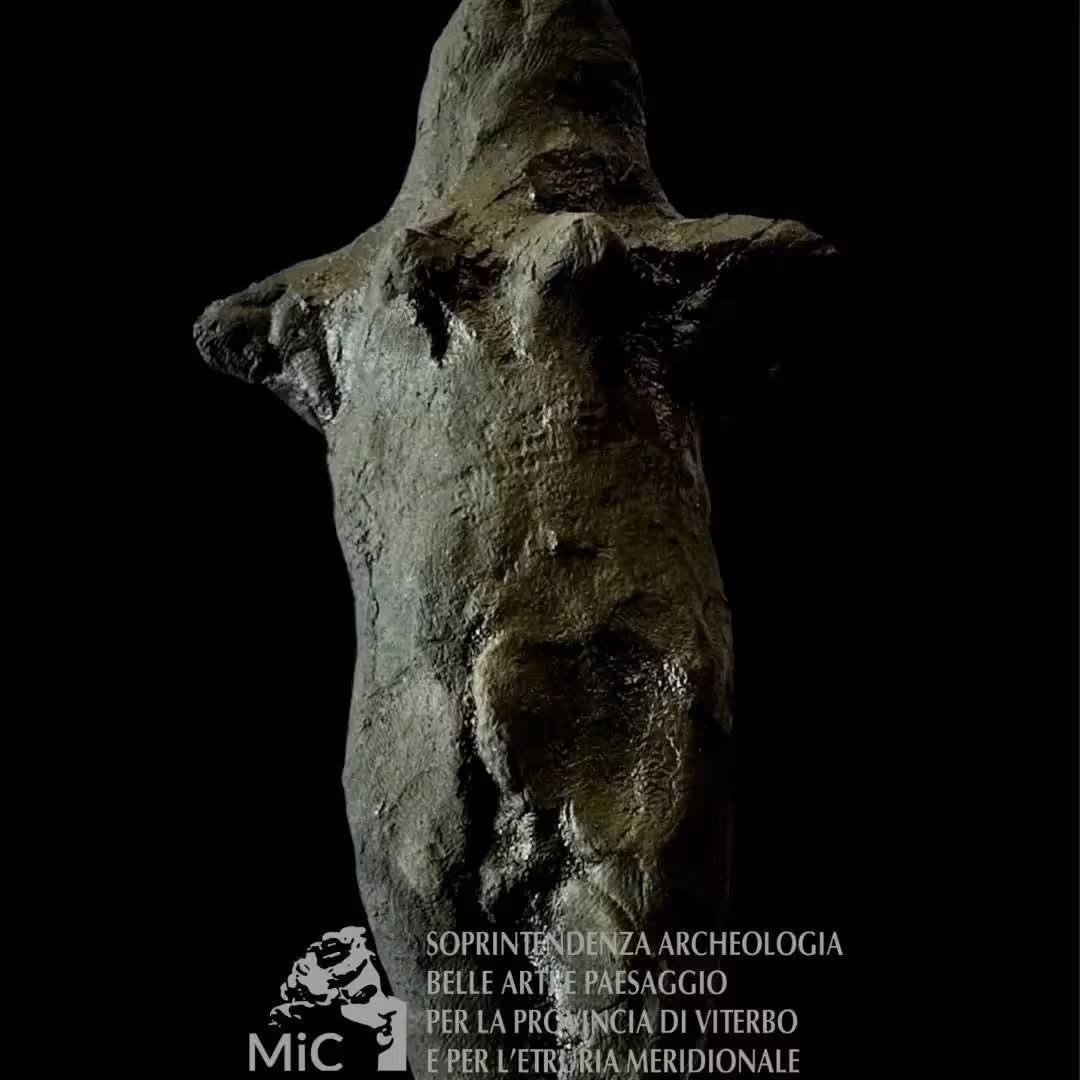
The female silhouette has led researchers to propose a goddess‑type interpretation, and its unfinished state offers a rare window into the production techniques of Early Iron Age artisans. The object is believed to have participated in household religious practices, echoing a broader regional tradition of small devotional offerings.
Illuminating Early Iron Age Life in Southern Etruria
The Early Iron Age in southern Etruria (late 10th to early 9th century B.C.E.) is notoriously sparse in written records, leaving archaeologists to piece together daily existence from material culture. The Gran Carro underwater deposit is now supplying concrete data on “daily life from the first Iron Age,” a period that has long eluded comprehensive study.
Artifacts linked to the ancient settlement of Aiola—including pottery, jewelry, and assorted implements—have been recovered intermittently since the 1960s. Each discovery, like the newly unearthed figurine, helps construct a more detailed portrait of the lake‑side inhabitants.
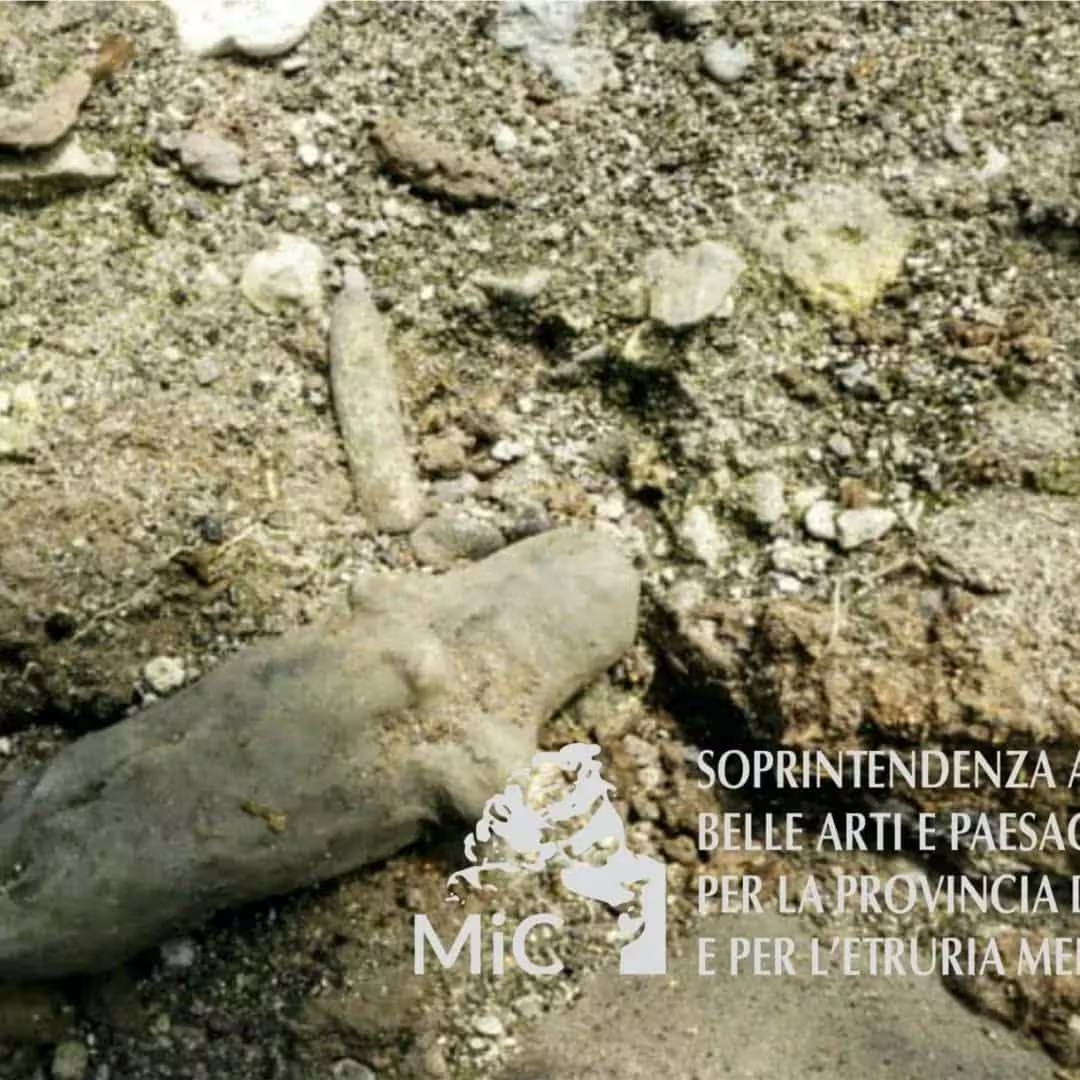
Later layers at the site reveal continued occupation well beyond the Iron Age, with coins from the 4th century C.E. linked to Emperor Constantine the Great confirming a prolonged settlement history.
Lake Bolsena’s Submerged Heritage
Formed between 600,000 and 200,000 years ago by eruptions of the Vulsini volcanic complex, Lake Bolsena has gradually concealed a wealth of archaeological material beneath its waters. Early investigations in 1991 identified submerged stone formations that hinted at a sizable structure near a hot spring, prompting deeper exploration.
Subsequent surveys in 2020 recovered Early Iron Age ceramics and related artifacts from the sediment surrounding those stones, confirming the presence of a prehistoric community on the lake’s perimeter.
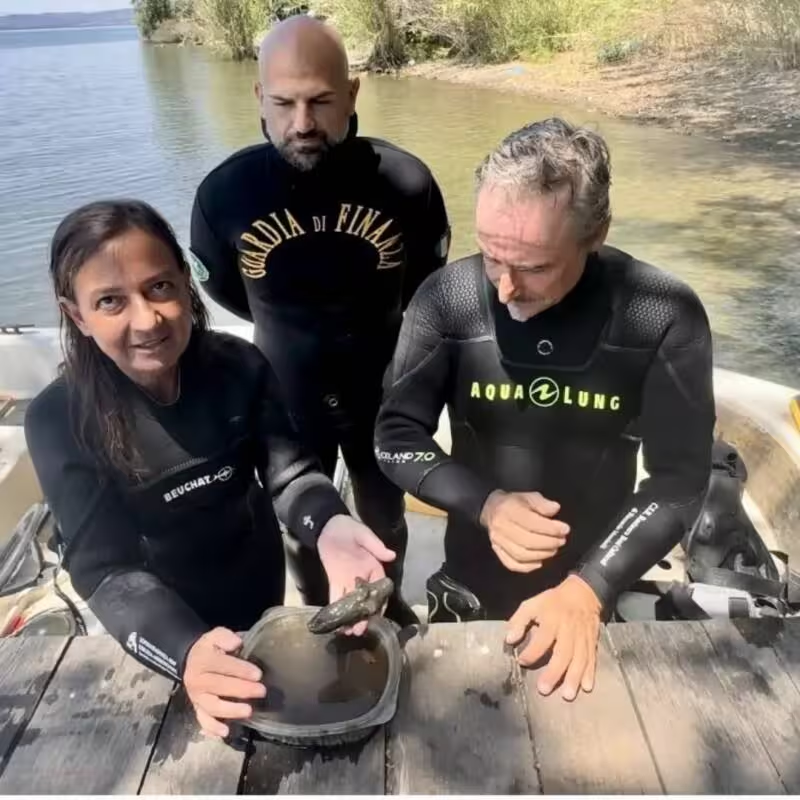
The Superintendence of Archaeology Fine Arts and Landscape for Southern Etruria highlighted the figurine’s preserved fingerprints as a “rare link between a recent archaeological discovery and the unknown person who crafted it thousands of years ago.” For further details on the discovery, see the related fingerprint report.
This article has been fact checked for accuracy, with information verified against reputable sources. Learn more about us and our editorial process.
Last reviewed on .
Article history
- Latest version
Cite this page:
- Posted by Zara Tariq