Engineered Bacteria Turn Air and Electricity Into Valuable Biopolymers
A novel hybrid system combines renewable electrocatalysis and plasma activation with engineered methanotrophs to synthesize industrial biopolymers.
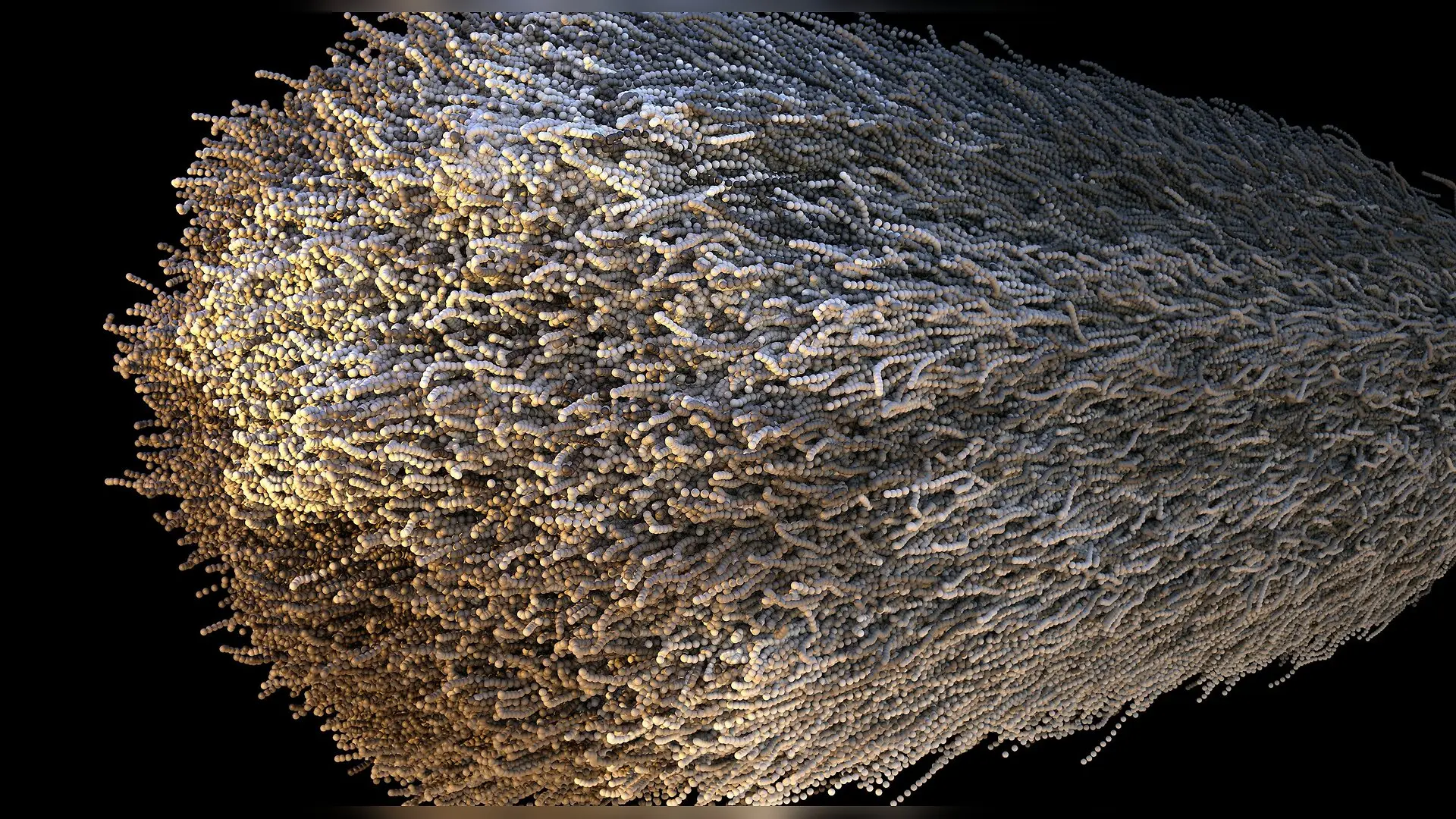
Turning greenhouse gases and atmospheric air directly into high-value medical and agricultural polymers just became a step closer to reality, thanks to a newly engineered hybrid production system. Researchers successfully coupled renewable electricity, plasma chemistry, and engineered bacteria to convert carbon dioxide and nitrogen gas into poly-gamma-glutamic acid, a valuable biodegradable polymer widely used in cosmetics, medicine, and food production. The work demonstrates a functional way to bypass traditional sugar-based manufacturing, which typically requires vast agricultural land and intensive freshwater resources.
How Air and Electricity Create Microbial Food
Manufacturing sustainable bioproducts without relying on fossil fuels or food crops requires solving major chemical roadblocks because carbon dioxide and nitrogen are extremely stable molecules. To tackle this energy hurdle, the research team designed a spatially decoupled system that separates gas activation from microbial growth. First, carbon dioxide is electrochemically reduced into methane using a custom copper-based single-atom catalyst featuring an under-coordinated atomic environment. Simultaneously, a plasma discharge device converts ambient air and water into nitrate, providing a stable, non-volatile nitrogen source without requiring pure nitrogen gas inputs.
These electrochemically and plasma-generated intermediates feed directly into a specially modified strain of the bacterium Methylotuvimicrobium buryatense 5GB1. This obligate methanotroph, which naturally consumes methane as a sole carbon and energy source, was genetically upgraded to synthesize and secrete poly-gamma-glutamic acid while accumulating high-quality cell protein. Isotope tracing with carbon-13 and nitrogen-15 confirmed that the engineered microbes successfully assimilated the electrocatalytically derived carbon and nitrogen directly into glutamate, the primary monomeric precursor of the target biopolymer. The details of this modular synthesis framework are published in Chemical science.
Overcoming Metabolic Bottlenecks in Scale-Up Testing
Directing microbial metabolism away from normal cell division and toward polymer secretion requires precise genetic tuning to prevent energy shortages and bottlenecks. Investigators targeted the central glycolytic pathway by overexpressing enolase and phosphoglycerate kinase, which significantly increased intracellular pyruvate and energy levels. By also knocking out competing byproduct genes such as lactate dehydrogenase and acetate kinase, the team optimized carbon flux toward glutamate production. Cultivating the final engineered strain in a 30-liter bioreactor yielded an impressive poly-gamma-glutamic acid titer of 142.84 milligrams per liter alongside nearly 9.5 grams per liter of cell protein, proving that the process functions reliably at larger scales.
Techno-economic and life-cycle assessments of the integrated platform reveal significant environmental advantages alongside clear economic hurdles. The process yields a calculated carbon footprint of negative 49.06 kilograms of carbon dioxide equivalent per kilogram of polymer produced, highlighting its potential as a carbon-sink technology. However, techno-economic modeling indicates that direct air capture costs for sourcing carbon dioxide and the capital expenses of the electrolysis hardware currently drive the minimum selling price of the biopolymer to 479 dollars per kilogram, which remains higher than conventional commercial alternatives.
What Comes Next for Sustainable Biomanufacturing
While the economic viability of the platform depends heavily on future cost reductions in direct air capture and renewable electricity, the modular nature of the system offers unprecedented flexibility. Because the electrochemical conversion units and the biological fermentation tanks operate independently, engineers can precisely match gas supply rates to microbial metabolic demand without exposing living cells to harsh catalytic environments. Future research will focus on high-throughput functional genomics to uncover further metabolic bottlenecks, as well as tuning polymerases to synthesize customizable polymer weights. Ultimately, this integration of air-derived feedstocks and engineered microbes establishes a foundational roadmap for producing advanced biomaterials from the simplest resources on Earth.
The research was published in Chemical science on November 12, 2026.
This article has been fact checked for accuracy, with information verified against reputable sources. Learn more about us and our editorial process.
Last reviewed on .
Article history
- Latest version
Cite this page:
- Posted by Rohan Kumar