Newly Discovered Placenta Protein May Be Key to Preventing Lifelong Brain Development Issues
Scientists have discovered a crucial placental protein that regulates infant vascular development and may hold the key to better understanding maternal health.
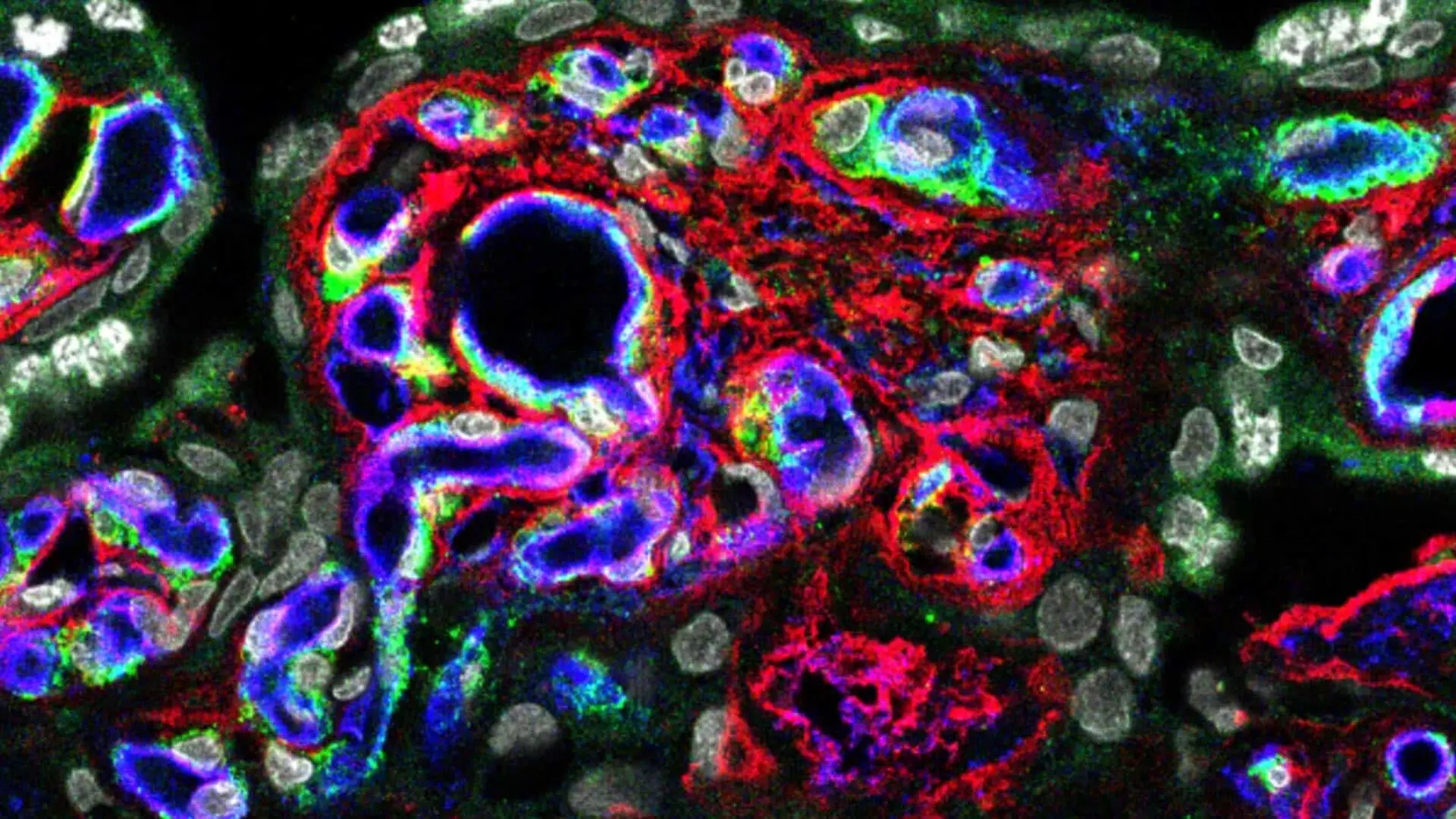
Scientists have uncovered a previously overlooked protein within the placenta that appears to play a critical role in how fetal blood vessels form. This discovery, detailed in the journal Angiogenesis, provides new insight into the complex mechanisms governing healthy gestation and could eventually offer a diagnostic tool for identifying pregnancy complications.
Challenging existing biological assumptions
The protein, known as soluble platelet-derived growth factor receptor beta (sR-beta), was previously categorized solely as a byproduct of cell death, specifically linked to the degradation of pericytes—cells that provide structural support to blood vessels in the brain. However, researchers at the Fralin Biomedical Research Institute at VTC have demonstrated that this protein is not merely a marker of damage. Instead, it is actively present during the natural process of vascular development.
“Nature does not put cells anywhere unless it is on purpose,” said John Chappell, an associate professor at the Fralin Biomedical Research Institute. Chappell, who leads the team investigating vascular growth, suggests the protein likely functions as a regulator to ensure pericyte development remains stable during fetal growth.
Implications for prenatal health
The research team identified that sR-beta is sensitive to oxygen levels, a characteristic that makes it a compelling subject for studying conditions like preeclampsia. By establishing baseline levels for this protein in a healthy placenta, investigators hope to determine how its dysregulation—either through overproduction or deficiency—might disrupt fetal development.
Audra Barnes-Lanier, the study’s lead author and a former graduate research assistant, noted that the team’s current focus is determining how the protein shifts during periods of placental distress. If the balance of this protein is disturbed, Chappell hypothesizes that it could trigger significant neurovascular issues in the developing infant, including retinopathy or potentially life-threatening intracranial hemorrhages caused by unstable blood vessel growth.
Future clinical applications
While the team emphasizes that their research is in the early stages, they believe sR-beta could eventually serve as a vital biomarker. Monitoring the levels of this protein could alert clinicians to neurodevelopmental risks long before they manifest as acute health crises. Beyond diagnostics, the team hopes that further characterization of the protein’s pathways will reveal new therapeutic targets to safeguard maternal and infant outcomes.
The placenta has historically been one of the least understood organs despite its fundamental role in providing oxygen and nutrients to the fetus. This work represents a significant step toward decoding the molecular environment of the placenta and its influence on lifelong health. The project was supported by funding from the Seale Innovation Fund at the Fralin Biomedical Research Institute.
This article has been fact checked for accuracy, with information verified against reputable sources. Learn more about us and our editorial process.
Last reviewed on .
Article history
- Latest version
Reference(s)
- Barnes-Lanier, Audra R.., et al. “Regulation of PDGF-BB signaling in placental pericytes by soluble PDGFRβ isoforms: implications for fetoplacental vascular development.” Angiogenesis, vol. 29, no. 4, September 3, 2026 Springer Science and Business Media LLC, doi: 10.1007/s10456-026-10091-3. <https://doi.org/10.1007/s10456-026-10091-3>.
Cite this page:
- Posted by Rohan Kumar