Engineered Microbes Unlock Sustainable Biomining and Carbon Removal
New genetic tools and electromicrobial systems suggest biology can sustainably extract critical metals and sequester gigatonnes of carbon dioxide.
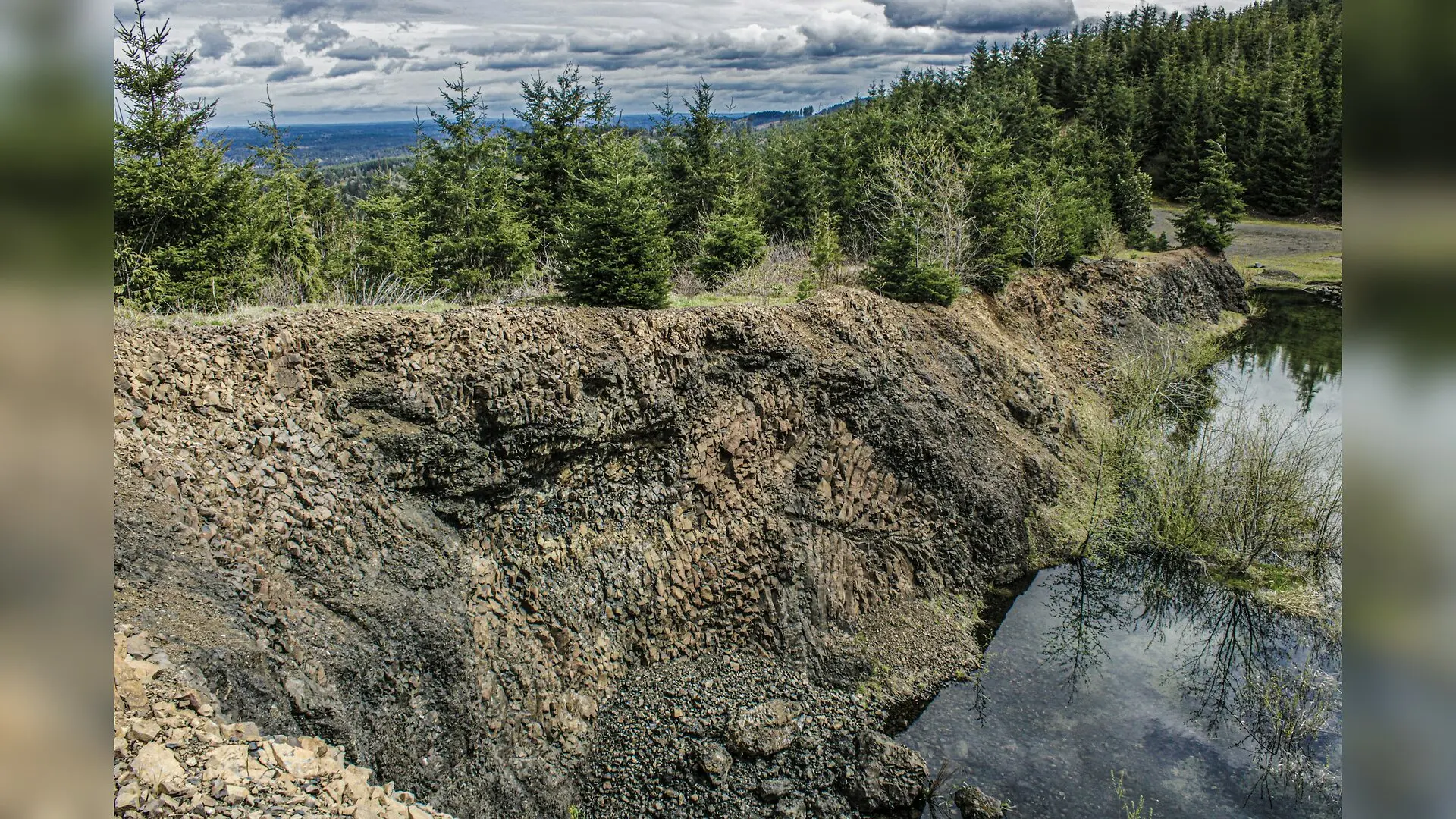
Engineered microbes could soon extract critical metals from low-grade rock and scrub billions of tons of carbon dioxide from the atmosphere by pairing synthetic biology with renewable electricity. As global energy demands climb, researchers are racing to find sustainable alternatives to traditional heavy industry and thermochemical processing without harming the planet.
How Synthetic Biology Combines Atomic Precision With Planetary Scale
Human civilization requires vast quantities of energy and raw materials to maintain modern quality of life, yet conventional extraction methods leave severe environmental scars. Natural systems provide an existence proof that catalysis can happen under ambient conditions with sub-angstrom precision, inspiring scientists to harness similar principles through advanced genetic engineering. Researchers are exploring ways to redesign living organisms to operate with high efficiency, potentially solving monumental challenges in energy and environmental management. These developments draw on decades of scientific speculation and emerging tools in protein structure prediction and genome editing.
To evaluate these ambitions across multiple fronts, the work was published in Chemical Communications, detailing an eight-year research roadmap. The strategy centers on three pillars: biomining for sustainable energy transition minerals, electromicrobial production to convert carbon dioxide into complex molecules, and engineering highly tractable microbial chassis.
Targeting Critical Minerals Through Microbial Bioleaching
Transitioning away from fossil fuels will create an unprecedented demand for energy-critical minerals such as nickel, cobalt, copper, and rare earth elements, with total demand expected to exceed three billion tonnes. Traditional mining and separation processes present extreme environmental challenges, while global supply chains face significant geopolitical risks. Biomining offers a cleaner alternative by utilizing acidophilic microorganisms like Acidithiobacillus ferrooxidans, which currently yields up to 20 percent of the world’s copper from low-grade sulfidic ores.
However, industrially useful microbes for processing recycled feedstocks or silicate and phosphate ores do not yet exist naturally. Investigators tackled this bottleneck in Gluconobacter oxydans by building the first whole-genome knockout collection for the bacterium using a high-throughput screening approach called Knockout Sudoku. Disrupting specific regulatory pathways, such as the phosphate signaling and transport system, boosted rare earth element extraction from retorted phosphor powder by 18 percent. Further genetic enhancements increased bioleaching efficiency by nearly 1,200 percent from neodymium phosphate, demonstrating that targeted edits can dramatically improve mineral mobilization.
Accelerating Carbon Dioxide Removal via Rock Weathering
Preventing global temperatures from rising above 1.5 degrees Celsius will require removing 10 to 20 billion tonnes of carbon dioxide from the atmosphere every year. Natural rock weathering achieves this by releasing divalent metal ions that react with carbon dioxide to form stable carbonates, but the geological timescale is far too slow to avert climate disruption. Scientists proposed using bioleaching to accelerate the weathering of ultramafic rocks, which could sequester up to 58 times the excess carbon dioxide currently in the atmosphere.
Experimental studies confirmed that Gluconobacter oxydans can effectively dissolve ultramafic material while releasing valuable metals like nickel and cobalt to offset sequestration costs. Investigators successfully reduced the carbon feedstock cost metric, representing the number of carbon atoms in sugar needed to liberate one magnesium ion, down significantly through iterative genetic and process improvements. Achieving this at industrial scale could bring carbon dioxide capture costs closer to the Department of Energy target of 100 dollars per tonne.
Powering Microbial Metabolism With Renewable Electricity
While biological extraction shows great promise, traditional bioprocesses rely heavily on agricultural sugars, which are finite and could face severe supply constraints. Electromicrobial production emerges as a vital alternative by using carbon-free renewable electricity to power microbial metabolism, reducing carbon dioxide or formate into complex biofuels, foods, and biolixiviants. Direct extracellular electron uptake bypasses the low solubility hurdles of hydrogen-mediated systems while offering energy conversion efficiencies that exceed natural photosynthesis.
To unlock extracellular electron uptake, researchers mapped the genetic architecture in Shewanella oneidensis and identified key genes responsible for the uphill electron transport pathway. By combining these insights with the rapid growth and natural competence of Vibrio natriegens, the team aims to engineer bespoke chassis organisms capable of high-flux chemical production. Although significant hurdles remain in overcoming evolutionary fitness minima and scaling up bioreactor designs, the integration of use-inspired basic research points toward a sustainable industrial future.
The research was published in Chemical communications (Cambridge, England) on November 10, 2026.
This article has been fact checked for accuracy, with information verified against reputable sources. Learn more about us and our editorial process.
Last reviewed on .
Article history
- Latest version
Reference(s)
- Vengerova, Gretchen., et al. “Synthetic biology for sustainable abundance: biomining, electromicrobial production, and hyper-engineerable microbes.” Chemical Communications, January 1, 2026 Royal Society of Chemistry (RSC), doi: 10.1039/d6cc01792d. <https://doi.org/10.1039/d6cc01792d>.
Cite this page:
- Posted by Robert Brown