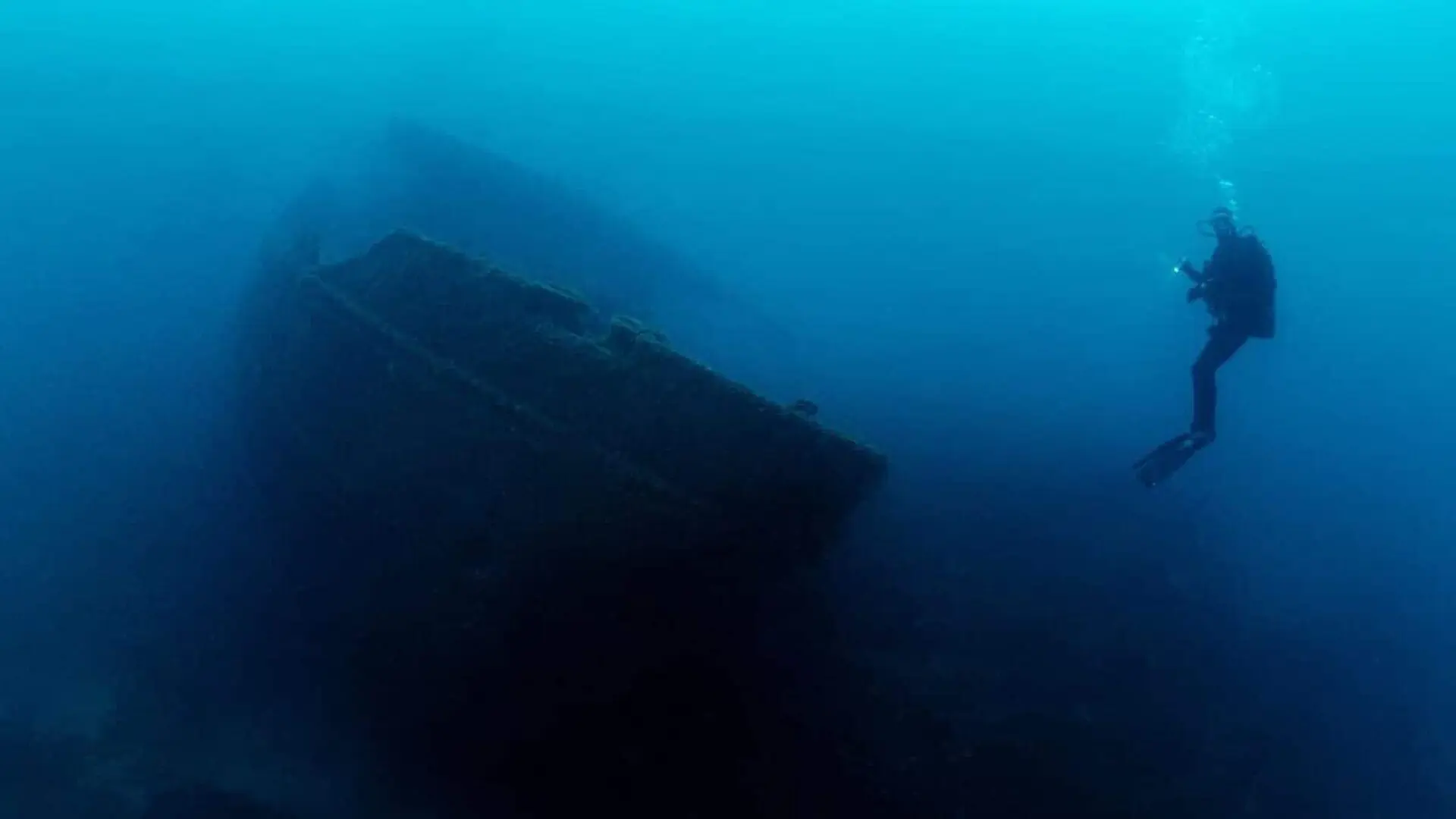
A team of divers and maritime historians from ProjectXplore announced the identification of HMS Tiger, a 400‑ton destroyer that vanished during night exercises in the English Channel in 1908. After a collision that split the vessel in two, fewer than half of the 57 crew members survived, leaving the wreck hidden for more than a century.
Archival sleuthing leads to a long‑lost wreck
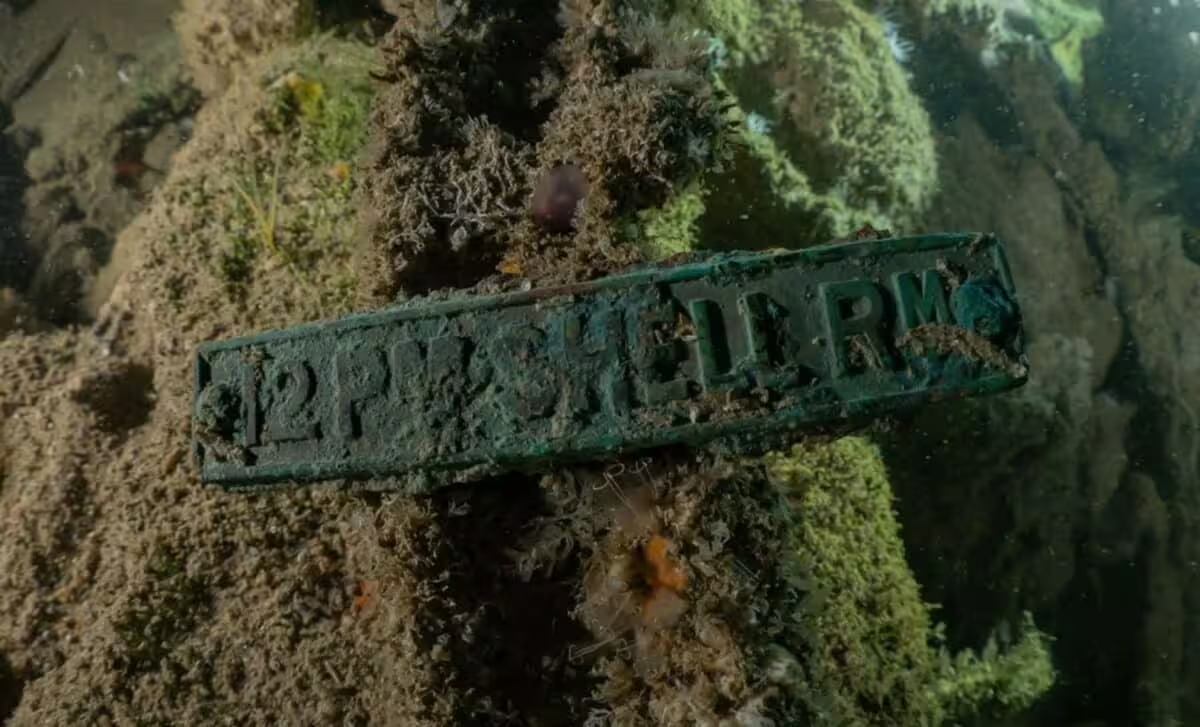
Researchers spent five years cross‑referencing naval logs, newspaper reports and personal letters to narrow the search area off the Isle of Wight. Their effort paid off when divers finally located fragments of the ship on the seabed, documenting the bow, stern steering section, ship’s bell, torpedo gear and ammunition.
The collision on 2 April 1908 occurred when HMS Tiger drifted into the path of the 10 000‑ton cruiser HMS Berwick during a nighttime drill. With insufficient time to maneuver, Berwick rammed the destroyer amidships, causing the bow to plunge instantly and the stern to remain afloat for roughly three minutes before sinking.
Royal Navy records indicate that 22 sailors were rescued, while 26—including the captain, Lieutenant W. E. Middleton—were lost. The wreck’s discovery adds a tangible dimension to contemporary accounts that noted King Edward VII’s telegram of condolence and the circulation of commemorative postcards at the time.
ProjectXplore co‑organizers Leo Fielding and Dan McMullen described the find as “the privilege of a lifetime” and emphasized its value for preserving both the vessel’s story and the memory of those who served aboard.
The same team previously identified the cruiser HMS Nottingham in the North Sea in 2025, demonstrating the growing capability of civilian groups to locate historic warships.
Parliament debates expanded protection for military wrecks
The revelation arrives as the UK government reviews the Armed Forces Bill, which proposes granting “protected place” status to newly discovered military wrecks from the moment of identification. Under the draft provisions, any disturbance or removal of artifacts without permission would become a criminal offence, while divers could still visit sites under a strict “look but don’t touch” protocol.
Current safeguards stem from the Protection of Military Remains Act, covering vessels lost within the last two centuries. The proposed amendment would extend protection to older wrecks, potentially including ships from the Spanish Armada and former adversaries, as well as merchant vessels that served under Admiralty orders.
Minister for the Armed Forces Louise Sandher‑Jones explained that the new rules aim to ensure nationally significant sites receive immediate protection, while Deputy Fleet Wreck Officer Lieutenant Commander Jen Smith reiterated that diver access would remain permitted provided the integrity of the remains is respected.
A Royal Navy warship that vanished 118 years ago is in line to benefit from new Government protections.
HMS Tiger – whose discovery is announced today by dive group ProjectXplore – is potentially one of thousands of vulnerable military wreck sites.
The identification of HMS Tiger concludes a search that began after the ship’s disappearance in 1908 and now places the wreck under the scrutiny of upcoming legislation that could shape how such historic sites are accessed and preserved for future generations.
Fact Checked
This article has been fact checked for accuracy, with information verified against reputable sources. Learn more about us and our editorial process.