Faulty Medical Jargon Could Cause AI Systems to Prescribe Dangerous Fluids
Inconsistent clinical terms threaten automated medical care, prompting experts to call for standardized definitions before artificial intelligence guides fluid therapy.
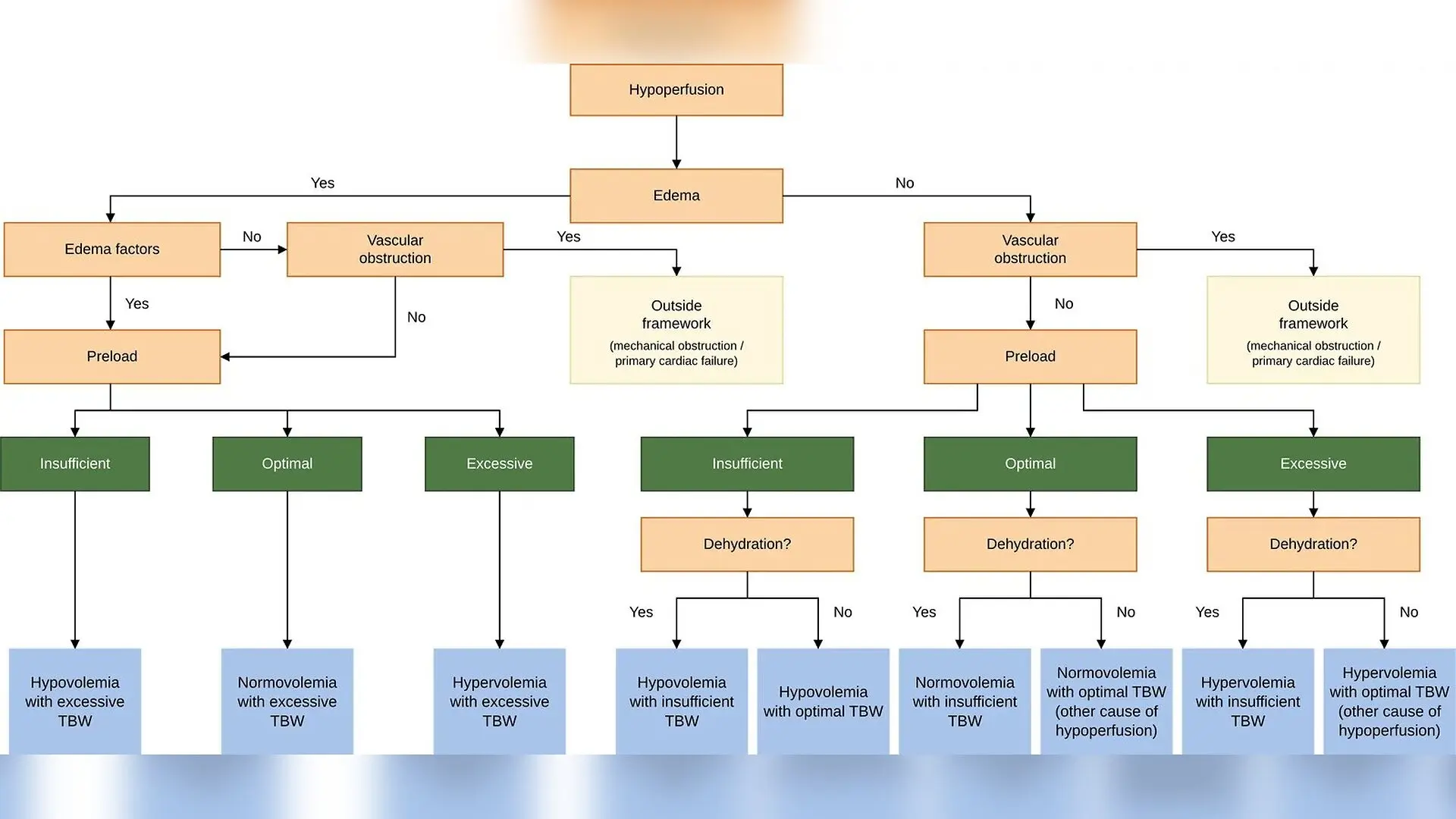
Ambiguous medical terminology could trick artificial intelligence algorithms into prescribing dangerous fluid treatments for critically ill patients. A multidisciplinary expert panel warns that inconsistent definitions in fluid therapy pose a hidden threat to automated medical care.
Intravenous fluid therapy is a daily necessity in hospitals worldwide, yet prescribing fluids for patients in major surgery or intensive care remains exceptionally difficult. As hospitals increasingly adopt artificial intelligence clinical decision support systems to automate these choices, computer scientists and doctors face a major roadblock. The machine learning models that power these digital assistants learn from historical medical records and guidelines filled with contradictory terms and mismatched concepts. Without a thorough cleanup of medical language, automated tools risk misinterpreting patient data and recommending harmful therapies.
Why Medical Jargon Confuses Artificial Intelligence
The core issue stems from decades of legacy terminology where doctors use distinct physiological concepts interchangeably. For instance, clinicians frequently treat dehydration, which means having insufficient total body water, as a direct synonym for hypovolemia, which indicates a low volume of blood within the vascular system. While these conditions can overlap, they affect entirely different fluid compartments in the body. When language models ingest these blurred definitions from unstructured texts or electronic health records, they absorb the ambiguity without realizing the clinical context.
In rule-based software, an ambiguous term can force a diagnostic algorithm down the wrong computational branch. In machine learning databases, inconsistent phenotype labels introduce silent noise that degrades model performance. Large language models absorb these semantic flaws directly from the literature, creating a risk that autonomous infusion systems could act on patients with dangerous instructions. The authors outline these concerns in an opinion piece published in the Journal of Medical Internet Research.
Replacing Static Measurements With Adequacy-Based Phenotypes
To solve this dangerous mismatch, the expert panel proposes abandoning static quantitative labels like low, normal, or high. Because critical body fluid compartments cannot be directly measured with simple bedside tools, these absolute scales do not reflect clinical reality. Instead, the authors advocate for a shift toward adequacy-based definitions using terms such as insufficient, optimal, and excessive.
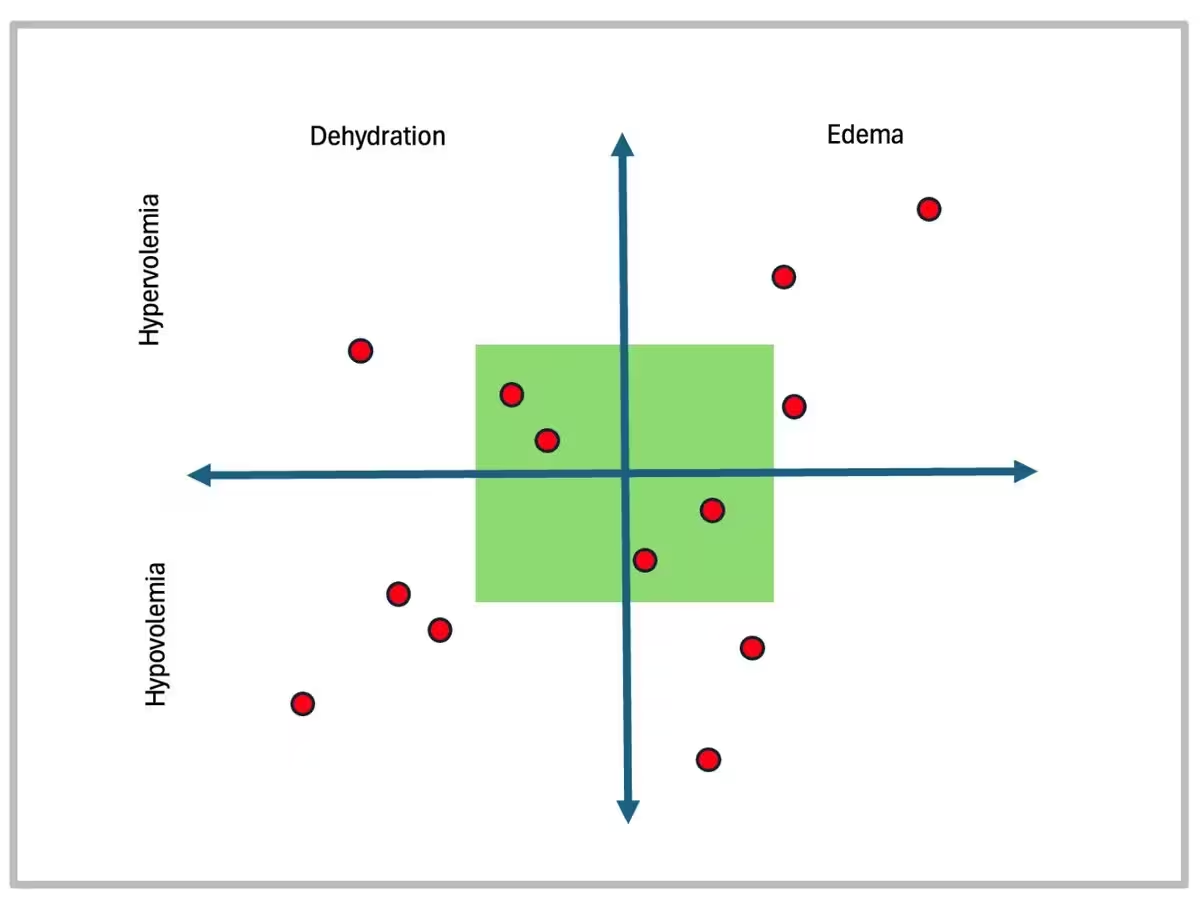
The proposed framework separates fluid status into a two-axis matrix. The vertical axis evaluates volume status, ranging from hypovolemia to hypervolemia, while the horizontal axis tracks hydration status, moving from dehydration through euhydration to edema. By evaluating these axes independently against the functional perfusion needs of vital organs, algorithms can better understand whether a patient actually requires fluid administration, fluid restriction, or fluid removal.
Roadmap Toward Safer Clinical Algorithms
Before advanced automated systems can reliably manage complex patient fluids, the medical community must reach a formal consensus on terminology and phenotype definitions. The authors outline a structured five-stage roadmap to bridge the gap between theoretical computer science and bedside safety. This path begins with expert consensus and ontology development through a formal Delphi process, followed by operational definition and interrater reliability testing. Subsequent stages will require retrospective validation against clinical datasets, computational testing within artificial intelligence frameworks, and ultimately prospective evaluations in actual clinical environments.
While artificial intelligence holds immense potential to improve diagnostic accuracy and patient safety in critical care, technology cannot yet replace human clinical judgment in complex scenarios. Establishing strict semantic precision is a necessary safety requirement before autonomous algorithms can take control of life-supporting fluid management.
The research was published in Journal of medical Internet research on November 9, 2026.
This article has been fact checked for accuracy, with information verified against reputable sources. Learn more about us and our editorial process.
Last reviewed on .
Article history
- Latest version
Reference(s)
- Andrijauskas, Audrius., et al. “Revising Terminology and Phenotype Definitions for AI-Based Decision Support in Fluid Therapy: Call for Consensus.” Journal of Medical Internet Research, vol. 28, November 9, 2026, pp. e103138-e103138. JMIR Publications Inc., doi: 10.2196/103138. <https://doi.org/10.2196/103138>.
Cite this page:
- Posted by Rohan Kumar