Hidden Metabolic Trap Links Diabetes and Stomach Shrinking in Vicious Cycle
A comprehensive review reveals how high blood sugar and chronic gastric atrophy drive each other through shared inflammatory and hormonal pathways.
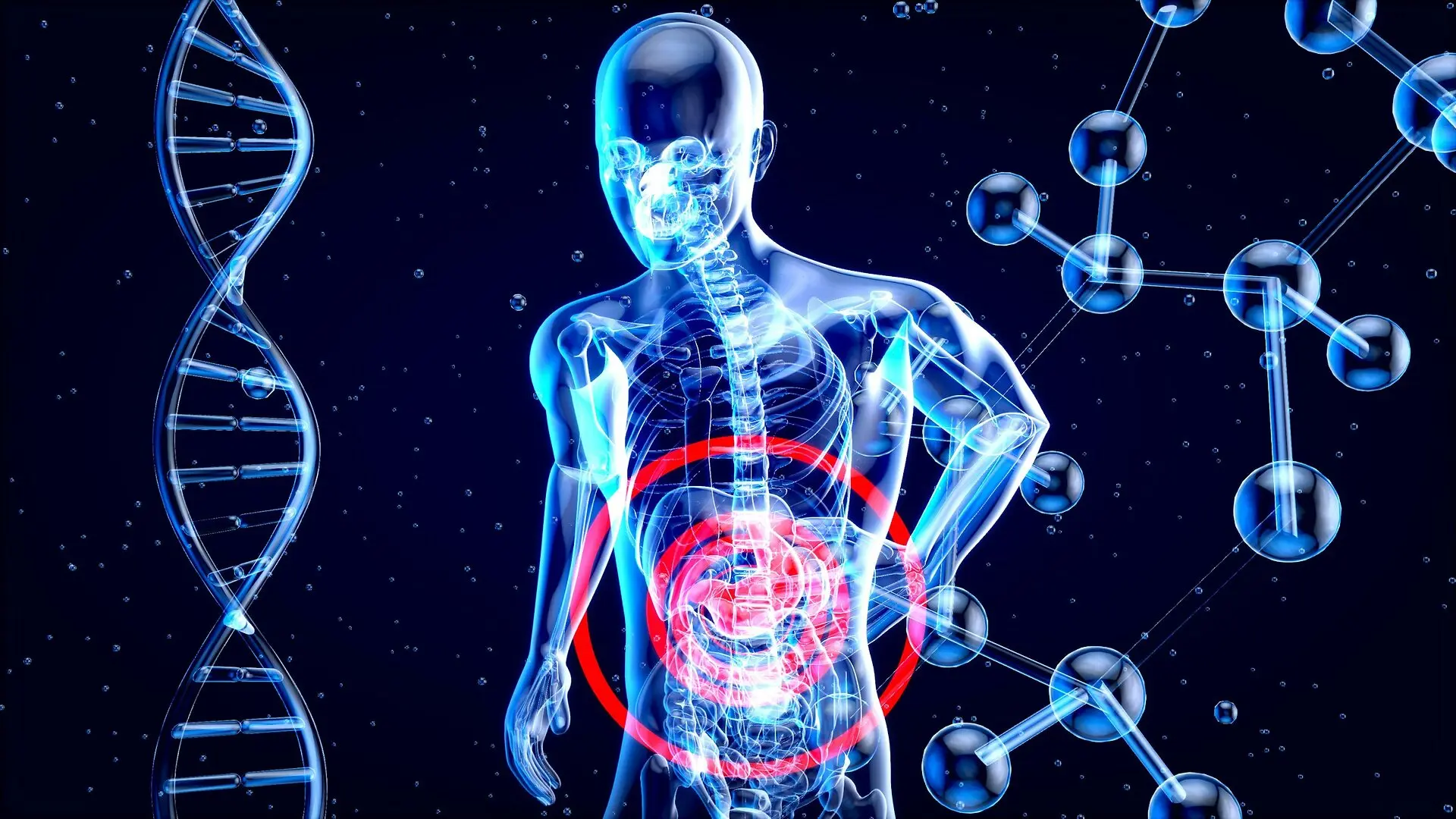
Long-term high blood sugar and shrinking stomach linings create a hidden two-way trap that accelerates both organ damage and metabolic decline in millions of patients. Medical specialists traditionally treat diabetes and stomach shrinking separately, but a comprehensive synthesis published in Frontiers in Endocrinology reveals that these two chronic conditions actively drive each other through a shared molecular network. The review by Zhu Z, Wang L, Zhou T and colleagues outlines how systemic metabolic failure and gastric deterioration form a destructive feedback loop.
How High Blood Sugar Destroys Stomach Tissue
Chronic hyperglycemia creates a hostile microenvironment that systematically dismantles the stomach lining. High glucose levels trigger severe oxidative stress by overloading the mitochondrial electron transport chain and generating excess reactive oxygen species. These unstable molecules damage cell membranes, fragment DNA, and activate inflammatory signaling pathways through nuclear factor kappa B.
At the same time, advanced glycation end products accumulate and bind to their cellular receptors, causing chronic inflammation and blocking tissue repair. The research team notes that diabetic microangiopathy and autonomic nerve dysfunction restrict blood flow to the stomach, causing chronic ischemia and hypoxia. This lack of oxygen damages specialized parietal and chief cells, leading to gland loss and mucosal thinning.
The Role of Bacterial Overgrowth and Hormone Imbalances
When the stomach lining deteriorates, acid production plummets, creating ideal conditions for harmful bacteria to thrive. The resulting small intestinal bacterial overgrowth produces large amounts of lipopolysaccharides that enter the portal vein and induce metabolic endotoxemia. This process triggers systemic low-grade inflammation that worsens insulin resistance throughout the body.
Furthermore, the destruction of stomach glands remodels the gastrointestinal hormone network. Extreme hypergastrinemia, or abnormally high levels of the hormone gastrin, overstimulates receptors on pancreatic beta cells and accelerates their exhaustion. Simultaneously, a deficiency in the appetite-regulating hormone ghrelin disrupts energy homeostasis and impairs muscle tissue metabolism.
Nutritional Deficiencies and Future Interventions
The loss of gastric acid and intrinsic factor severely impairs the absorption of vital micronutrients such as vitamin B12 and iron. Vitamin B12 deficiency leads to hyperhomocysteinemia, which damages vascular endothelial cells and directly harms insulin-secreting beta cells. Iron deficiency compromises cellular energy production in insulin-sensitive tissues like skeletal muscle and the liver.
Breaking this bidirectional vicious cycle requires integrated clinical strategies that bridge endocrinology and gastroenterology. The authors advocate for routine screening of stomach health markers in diabetic patients and intensive metabolic monitoring in individuals with atrophic gastritis. Future treatments may include targeted antioxidant therapies, autophagy regulators, and personalized microbiome interventions to protect both organs simultaneously.
The research was published in Frontiers in endocrinology on November 8, 2026.
This article has been fact checked for accuracy, with information verified against reputable sources. Learn more about us and our editorial process.
Last reviewed on .
Article history
- Latest version
Cite this page:
- Posted by Hassan Raza