70 Million Year Old Dinosaur Fossil Reveals Rare Eggs And A Surprising Scientific First
Paleontologists have unearthed a 70-million-year-old dinosaur in Patagonia, revealing startling new secrets about one of the most mysterious fossil families.
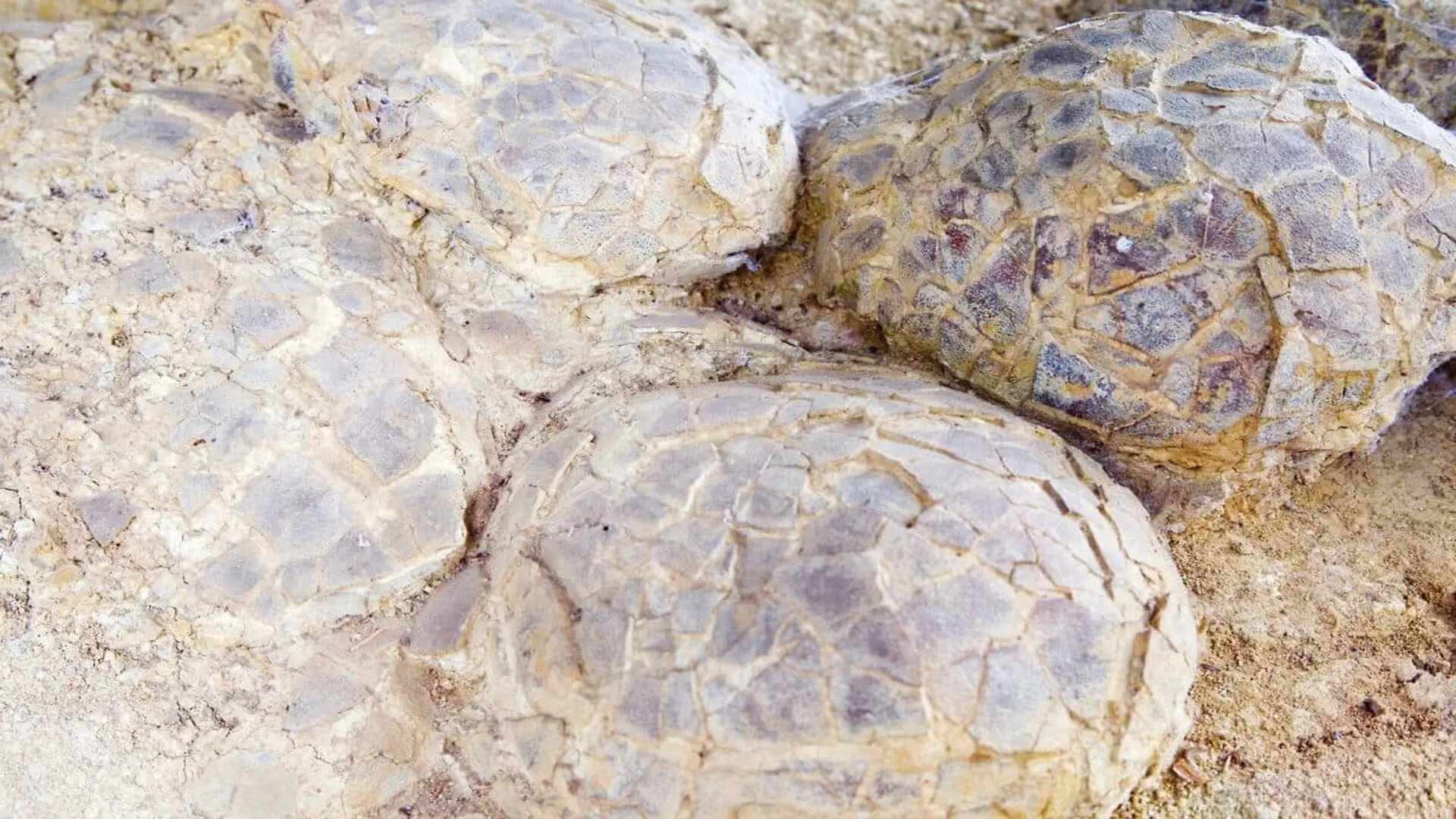
Paleontologists working in the rugged terrain of Patagonia have unearthed a rare window into the final days of the Mesozoic Era. A collection of fossilized remains, dating back 70 million years, has revealed the existence of Bonapartenykus ultimus, a birdlike dinosaur that stands as one of the largest and most recent representatives of the enigmatic Alvarezsauridae family found on the southern landmass of Gondwana.
The discovery, detailed in the journal Cretaceous Research, encompasses more than just a partial skeleton. Researchers recovered two remarkably well-preserved eggs alongside the dinosaur’s hindlimbs, providing a unique look at the reproductive biology of these mysterious creatures.
An Unprecedented Association of Bones and Eggs
Finding fossilized eggs in direct proximity to adult skeletal remains is an extreme rarity in the field of vertebrate paleontology. Dr. Martin Kundrát of Uppsala University, a co-author of the study, notes that this is the first documented instance of such a pairing for an alvarezsaurid. While the eggs may have been contained within the female’s oviducts at the time of death, the presence of fragmented shell material suggests a more complex story. Microscopic analysis revealed significant calcite resorption within the inner layers of the shell, a biological process indicating that the embryos inside were in an advanced state of development, implying that incubation was already underway.
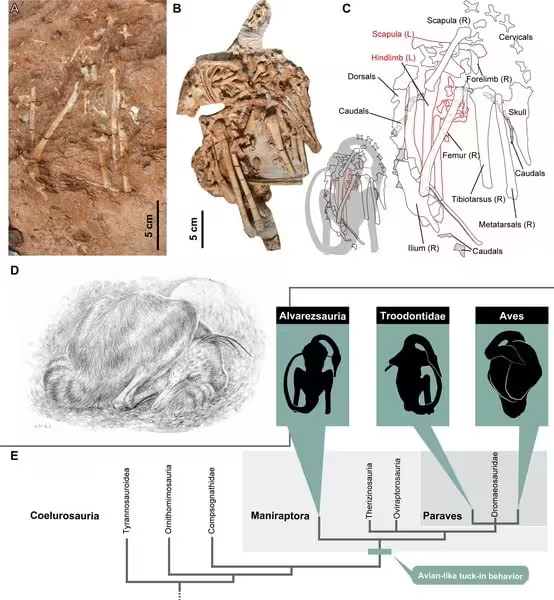
The specimen was originally located by Dr. Jaime Powell of the Museo Argentino de Ciencias Naturales. The species name serves as a tribute to the late Dr. José Bonaparte, who pioneered the study of Patagonian alvarezsaurids starting in 1991.
A Late Survivor of a Specialized Lineage
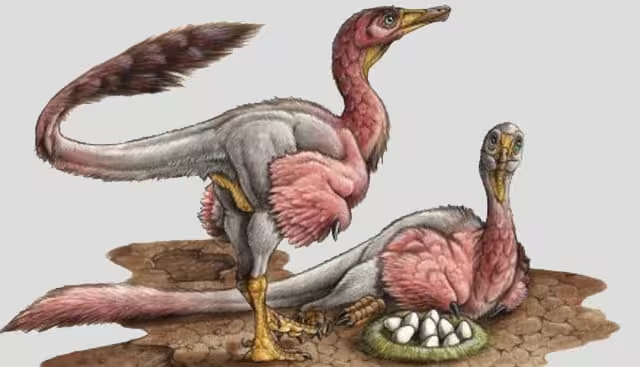
Bonapartenykus ultimus serves as a critical evolutionary marker. Its discovery confirms that basal alvarezsaurids continued to thrive in South America until the final stages of the Cretaceous period. These theropods were physically distinct, typically ranging between 0.5 and 2.5 meters in length. Characterized by birdlike skulls, small teeth, and highly specialized forelimbs—which featured a singular massive claw on a shortened arm—these animals occupy a unique niche in the dinosaurian family tree. At roughly 2.6 meters, Bonapartenykus represents a significant size outlier for the family.
Microscopic Surprises Within the Shells
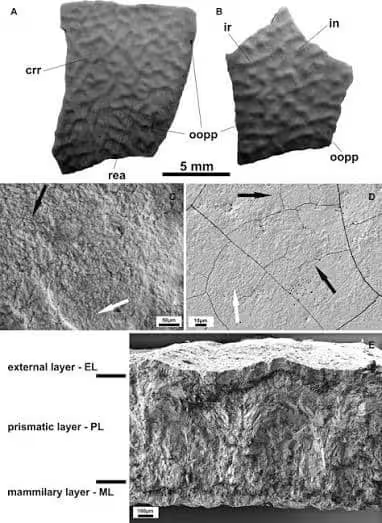
The researchers encountered a taxonomic challenge when examining the eggshells, which did not align with any previously cataloged structures. This led to the establishment of a new egg-family, the Arraigadoolithidae, named in honor of the site owner, Alberto Arraigada. The investigation yielded an unexpected biological discovery: using scanning electron microscopy, the team identified fossilized remnants of fungi within the pneumatic channels of the eggshells. This finding provides the first evidence of fungal contamination affecting dinosaur eggs, adding a layer of ecological depth to our understanding of the eggshells themselves.
This article has been fact checked for accuracy, with information verified against reputable sources. Learn more about us and our editorial process.
Last reviewed on .
Article history
- Latest version
Reference(s)
- Agnolin, Federico L.., et al. “New alvarezsaurid (Dinosauria, Theropoda) from uppermost Cretaceous of north-western Patagonia with associated eggs.” Cretaceous Research, vol. 35, June 1, 2012, pp. 33-56. Elsevier BV, doi: 10.1016/j.cretres.2011.11.014. <https://www.sciencedirect.com/science/article/abs/pii/S0195667111001923>.
Cite this page:
- Posted by Hassan Raza