Rare Dinosaur Discovery in China Rewrites the Evolutionary History of Sauropods
Researchers in southern China have unearthed ancient bones that challenge long-standing theories about how prehistoric giants migrated across the globe.
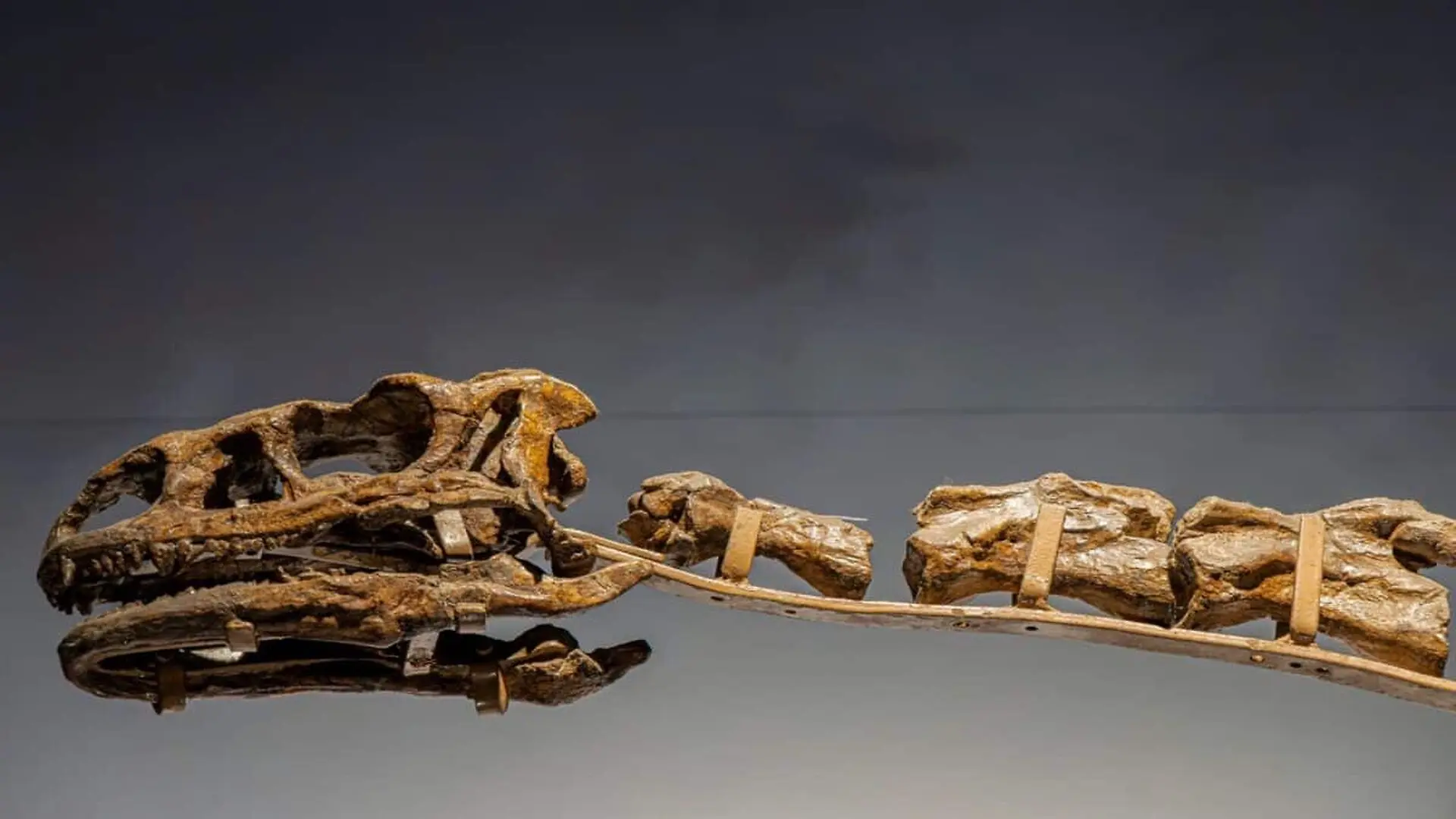
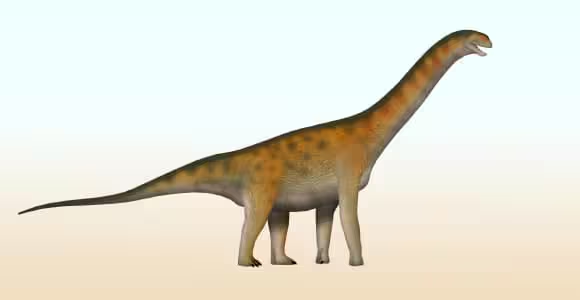
The discovery of a newly identified dinosaur species in southern China is providing paleontologists with fresh evidence to re-evaluate the distribution of sauropods during the Middle Jurassic period. Named Yantaloong lini, the long-necked dinosaur is being hailed as a significant find, potentially marking the first recorded instance of the Turiasauria group within East Asia.
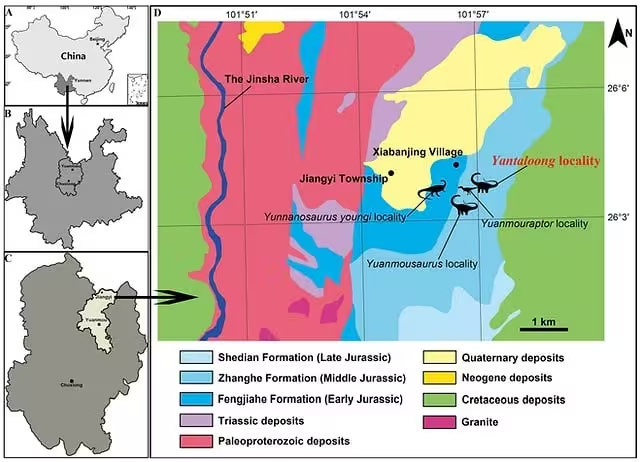
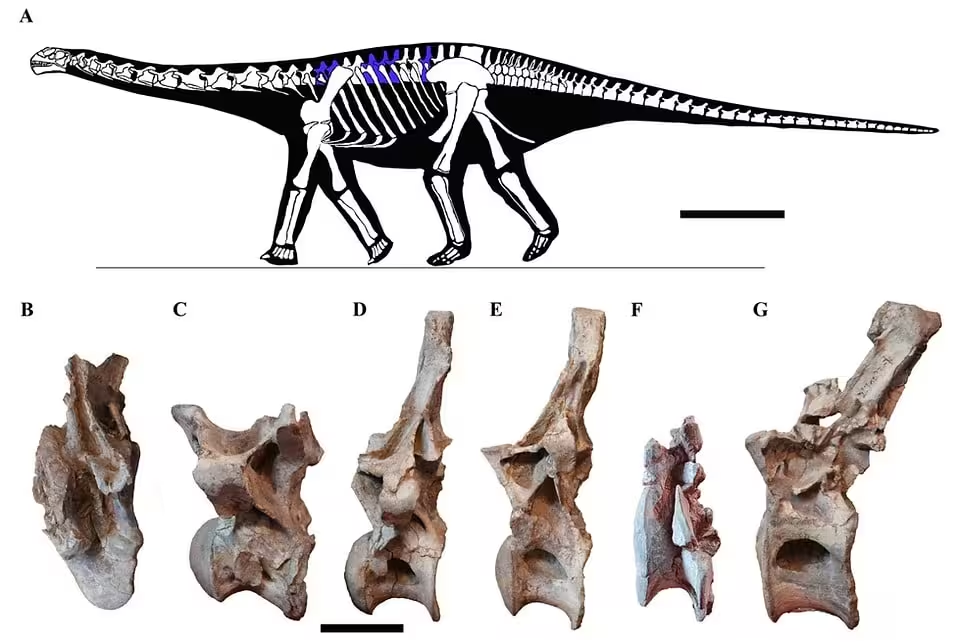
Excavated in the Yunnan province, the specimen consists of six vertebrae dating back approximately 174 to 161 million years. While the fossilized remains are partial, they offer a critical look at the complex evolutionary history of sauropods. Experts at the Geological Museum of China have analyzed these bones, suggesting that the species shares a lineage with the Turiasauria, a collection of massive herbivores previously confirmed in regions across Europe, North America, Africa, and India.
Shifting Perspectives on Jurassic Biodiversity
The Middle Jurassic landscape of China was already known to host a diverse array of dinosaurs, most notably the mamenchisaurids, recognized for their exceptionally long necks. However, researchers have long struggled to identify intermediate species in East Asia that might bridge the evolutionary gap between these early groups and the later, colossal neosauropods.
Yantaloong lini serves as a potential missing link. By examining the morphology of its vertebrae, researchers found that the animal possesses a unique blend of primitive and derived features. This anatomical mosaic includes traits typically associated with earlier eusauropods alongside characteristics that would later become standard in advanced titanosaurs and dicraeosaurines. The presence of specialized structures, such as the hyposphene-hypantrum complex—which helped stabilize the vertebral column—and pneumatization, or air-filled spaces within the bone, highlights its role as a transitional figure. The study, published in the Zoological Journal of the Linnean Society, underscores that while the exact classification remains a subject of ongoing debate, the species likely occupies a pivotal space near the development of Neosauropoda.
Rewriting the Sauropod Family Tree
The taxonomic classification of the Turiasauria group has remained fluid since its initial description in 2006. While most phylogenetic analyses position Yantaloong lini within this group—placing it alongside notable dinosaurs like Lapparentosaurus, Jobaria, and Atlasaurus—some alternative interpretations have suggested it could fall outside traditional turiasaurian boundaries or even within the broader Neosauropoda category.
Regardless of its precise placement, the discovery fundamentally alters the geographic understanding of these ancient giants. Previously, turiasaurians were documented throughout the Jurassic and Cretaceous periods across several continents, yet they were conspicuously absent from the fossil record in East Asia. The research team emphasizes that this find serves as a crucial reference point, expanding the known range of these dinosaurs and providing vital data on the migratory and evolutionary patterns of herbivorous megafauna during the Jurassic.
This article has been fact checked for accuracy, with information verified against reputable sources. Learn more about us and our editorial process.
Last reviewed on .
Article history
- Latest version
Cite this page:
- Posted by Hassan Raza