Fifty-Eight Studies Reveal Major Flaws in How Police Stress Is Tracked Through Heart Rhythms
A comprehensive review of law enforcement psychophysiology shows wearable tech and inconsistent methods often misrepresent officer stress and recovery.
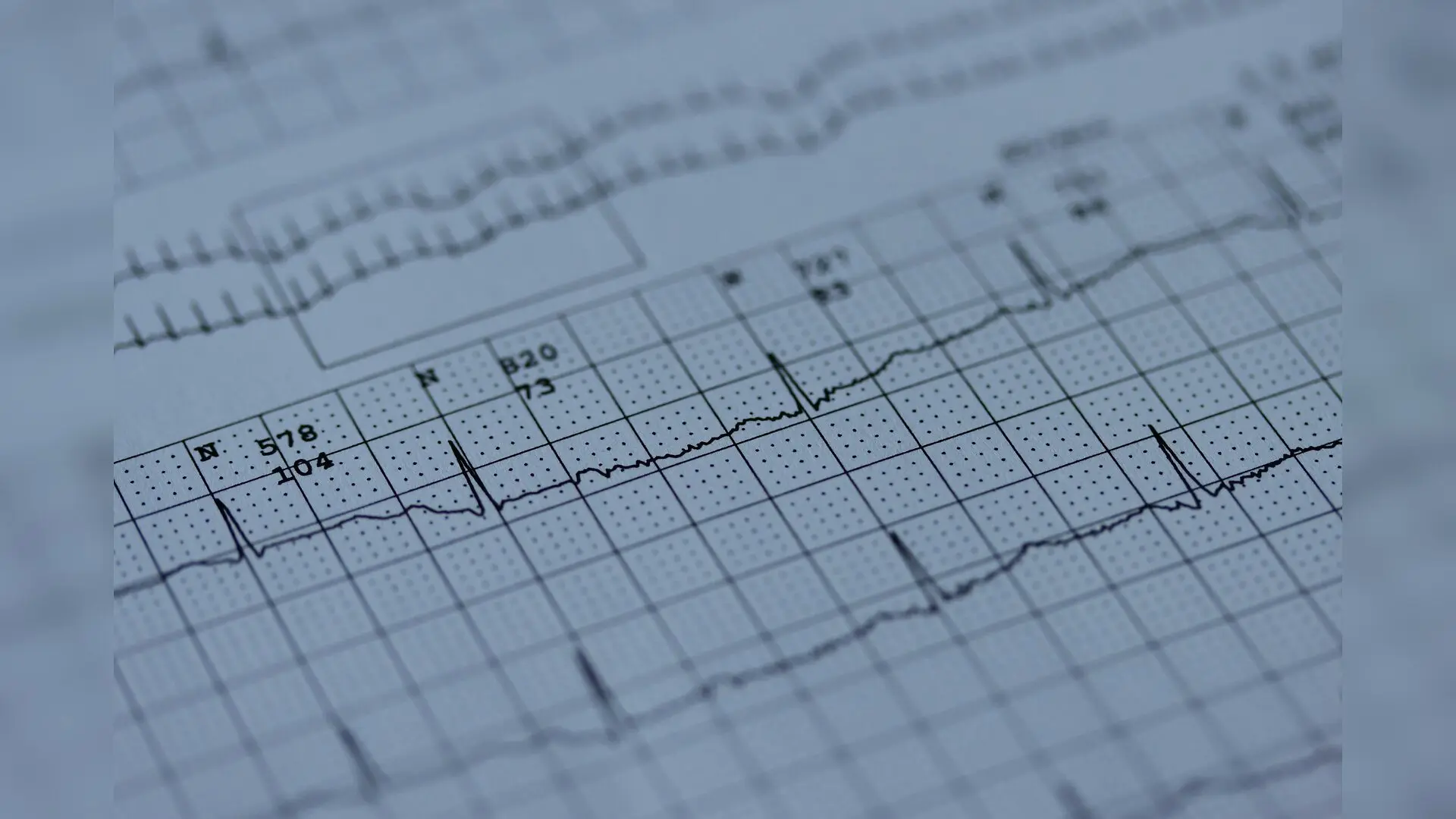
When police officers face life-or-death decisions on patrol, their bodies undergo rapid physiological shifts that scientists can now track using heart rhythms, but a comprehensive new analysis reveals widespread flaws in how these stress signals are measured and interpreted. Police work demands intense vigilance, split-second decisions, and quick physical restraint, placing extraordinary burdens on the nervous systems of law enforcement officers. To better understand how officers handle these high-pressure environments, researchers increasingly rely on tracking the tiny fluctuations in time between successive heartbeats, known scientifically as heart rate variability. While this physiological metric offers a window into stress and emotional regulation, a recent study published in Frontiers in Psychology demonstrates that inconsistent methods and oversimplified assumptions frequently cloud scientific conclusions in tactical research.
What Does Fifty-Eight Studies Reveal About Police Stress and Heart Rhythms?
To map the current state of the field, a team of researchers led by Jennifer Andersen from the University of Toronto conducted a scoping review of fifty-eight empirical studies involving law enforcement personnel. Sample sizes in the reviewed literature varied dramatically, ranging from single-subject case reports up to four hundred thirty participants, with an average sample size of eighty-five officers. Investigators gathered data using a wide array of recording devices, ranging from medical-grade multi-lead electrocardiogram systems to commercial chest straps such as the Polar H10, as well as wearable rings and smart garments. The analysis grouped existing research into three primary domains: health and wellbeing, acute stress and performance, and adaptive regulation through training.
How Do Shift Work and Obesity Alter Autonomic Regulation in Officers?
Within the health and wellbeing category, which contained twenty-seven papers, investigators consistently found that lower variability in heart rhythms was linked to chronic occupational stress, poor sleep, and metabolic dysfunction. For example, research showed that officers struggling to adapt to night shift work exhibited reduced parasympathetic activity, the branch of the nervous system responsible for rest and recovery. Similarly, studies involving non-diabetic officers found that elevated insulin and leptin levels correlated with diminished heart rate variability markers. Physical fitness and healthy body composition proved to be strong protective factors, consistently predicting more favorable autonomic profiles and faster physical recovery following simulated critical incidents. However, psychological indicators such as depression, anxiety, and trauma symptoms showed less consistent relationships with baseline heart rhythms across the reviewed literature.
Can Heart Rhythms Predict Lethal Force Errors in Tactical Scenarios?
When looking at stress and performance during high-intensity training, researchers discovered that excessive sympathetic nervous system activation, characterized by a fight-or-flight response and a sudden withdrawal of calming parasympathetic activity, frequently accompanied poorer tactical performance. In scenario-based training evaluations, higher sympathetic stress indices correlated with an increased likelihood of making lethal force errors during simulated confrontations. Virtual reality simulations also demonstrated that task difficulty and environmental realism directly influenced cardiac responses, though results varied depending on the emotional intensity of the scenario. Furthermore, lower baseline variability metrics predicted higher rates of fatigue, reduced physical adaptation, and eventual attrition during specialist police tactical selection courses.
Why Must Researchers Stop Treating Heart Rate Variability as a Simple Stress Score?
Despite the growing popularity of wearable tech, the authors caution against treating heart rate variability as a standalone diagnostic marker for stress or fitness-for-duty evaluations. Commercial devices often output proprietary stress scores using hidden algorithms that make cross-study comparisons nearly impossible. Moreover, many older studies relied on the outdated assumption that low-frequency heart rhythm data reflects sympathetic nervous system activity alone, a concept known as sympathovagal balance that modern physiological re-analyses have largely invalidated. The review also highlights a major methodological gap regarding respiration and physical movement, as subtle changes in breathing patterns or postural shifts can dramatically alter heart rhythm measurements independently of an officer’s actual psychological state.
What Lies Ahead for Applied Psychophysiology in Law Enforcement?
To move the field forward, the authors recommend that future investigations adopt rigorous theoretical frameworks, such as the Neurovisceral Integration Model, and standardize their data collection protocols. Only a fraction of past studies controlled for breathing rates or evaluated participants across structured phases of rest, reactivity, and recovery. By combining biological markers with thorough behavioral assessments rather than relying on wearable metrics in isolation, researchers and police agencies can better support officer health, resilience, and operational safety without misinterpreting complex physiological signals.
The research was published in Frontiers in psychology on November 21, 2026.
This article has been fact checked for accuracy, with information verified against reputable sources. Learn more about us and our editorial process.
Last reviewed on .
Article history
- Latest version
Cite this page:
- Posted by Zubair Ali