Switching Rare Chemical Catalysts to Earth-Abundant Metals Cuts Carbon Footprints by 34 Percent
An integrated economic and environmental analysis reveals when chemical plants should recycle precious metals versus swapping them for base metals.
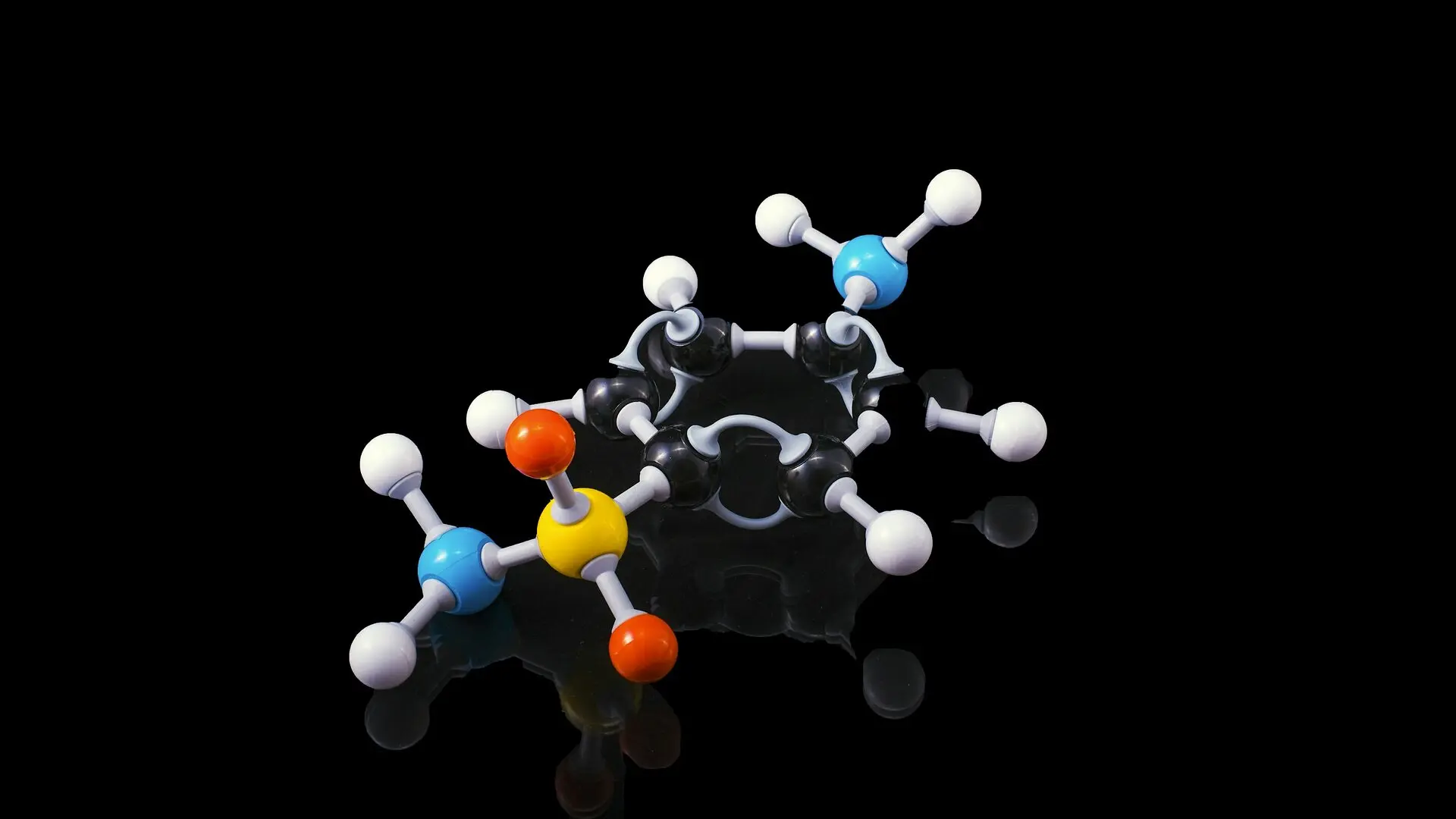
Switching precious metal catalysts to earth-abundant alternatives across five industrial chemical syntheses can cut production carbon footprints by up to 34 percent, according to a recent evaluation of manufacturing strategies. Precious metals such as palladium and rhodium enable high-yield transformations for drugs and fine chemicals, but their extraction drives severe environmental burdens and high economic volatility.
How Do Precious Metal Recycling and Base Metal Substitution Compare in Industrial Manufacturing?
To determine the most sustainable approach for chemical plants, researchers developed an integrated techno-economic assessment and life-cycle assessment framework. The study examined three distinct management paths across five representative chemical syntheses, including the widely prescribed antiepileptic drug levetiracetam and the cancer-drug candidate pictilisib. The evaluated pathways included primary precious metal catalysis, closed-loop recycling via organic solvent nanofiltration assuming a 99 percent catalyst recovery efficiency over five cycles, and complete substitution using earth-abundant base metals such as nickel, cobalt, copper, iron, zinc, and magnesium. The findings were published in ACS Environmental Au.
What Are the Capital and Operating Cost Impacts of Alternative Catalysts?
Integrating nanofiltration recovery units increased capital expenditures by an average of 5 percent across the five reactions due to extra equipment investments. In contrast, substituting precious metals with base metals reduced capital costs by an average of 8 percent by simplifying downstream separation stages and auxiliary unit operations. Operating expenditures also dropped progressively when moving from primary precious metals to recycling and finally to base metals. Raw material consumption accounted for more than 80 percent of total operating costs in all cases, making overall reaction yield the dominant factor in long-term process economics.
Can Earth-Abundant Catalysts Match the Energy Efficiency of Precious Metals?
While base metal substitution reduced raw material expenses, it introduced a notable energy penalty. Base metal processes increased average electricity consumption by 44 percent compared to primary precious metal use. This energy deficit occurred because palladium and rhodium systems frequently achieved faster reaction kinetics and higher productivity, completing batch cycles more rapidly and reducing energy demand per kilogram of product. Equipment costs followed a similar split, where membrane recovery setups raised infrastructure investments by 27 percent, while base metal substitutions decreased average equipment expenses by 16 percent.
Which Strategy Yields the Greatest Environmental Benefits Across Planetary Boundaries?
The environmental assessment revealed that direct catalyst manufacture accounts for a disproportionate share of toxicity and resource depletion impacts. Replacing precious metals with base metals nearly eliminated the carbon footprint and carcinogenic toxicity specifically tied to catalyst production, dropping those contributions by 99 percent and 98 percent, respectively. Across broader planetary boundaries, land-system change saw an average reduction of 55 percent under base metal substitution, while ocean acidification impacts decreased by 35 percent. Endpoint damage categories confirmed that earth-abundant substitution lowered overall burdens on human health, ecosystems, and natural resources by 31 percent, 35 percent, and 17 percent, respectively.
When Should Chemical Manufacturers Choose Recycling Over Metal Substitution?
The authors concluded that recycling and substitution should be treated as complementary strategies rather than competing alternatives. Base metal substitution provides the greatest overall economic and environmental benefits provided that the alternative catalyst maintains a yield within approximately 15 percent of the precious metal benchmark. When a base metal introduces severe drops in catalytic activity or yield, the resulting penalties in raw material waste and energy consumption outweigh the savings, making organic solvent nanofiltration recycling the superior choice for preserving high-performance chemistry.
The research was published in ACS environmental Au on November 21, 2026.
This article has been fact checked for accuracy, with information verified against reputable sources. Learn more about us and our editorial process.
Last reviewed on .
Article history
- Latest version
Cite this page:
- Posted by Raj Joshi