Scientists Wargamed Dimming the Sun and It Sparked a Dangerous Global Geoengineering Arms Race
A bold proposal to combat global warming sounds promising, but a recent experiment reveals the dangerous scientific challenges hidden beneath the surface.

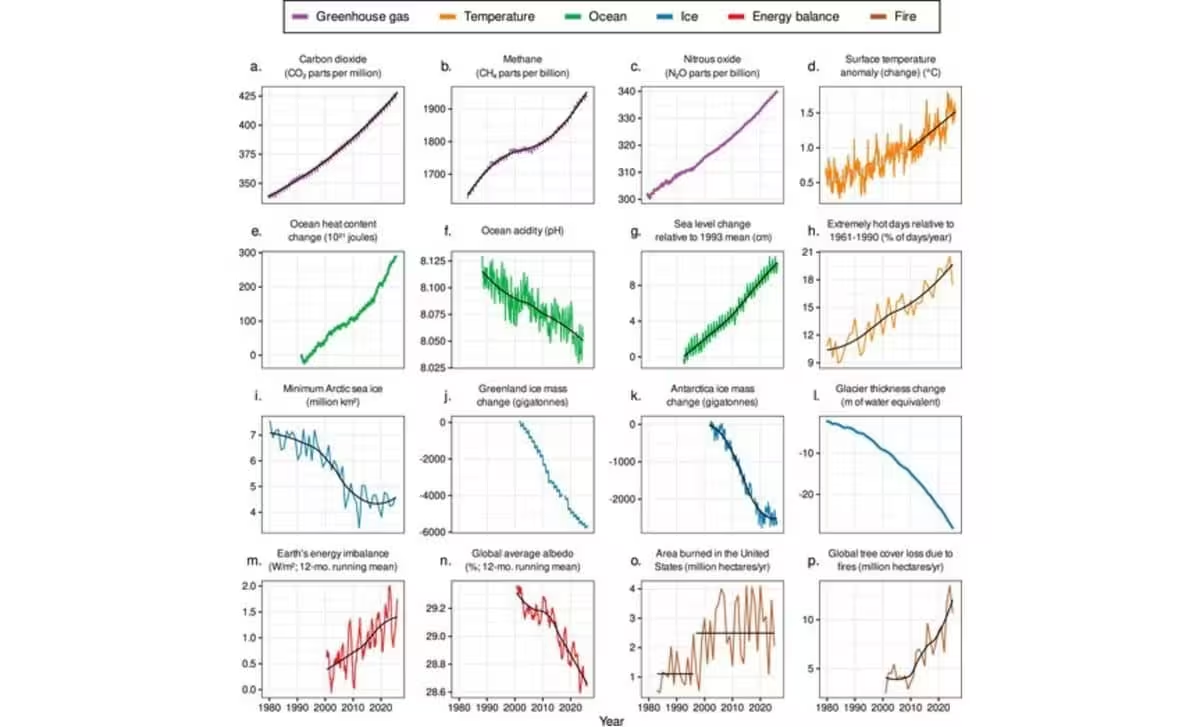
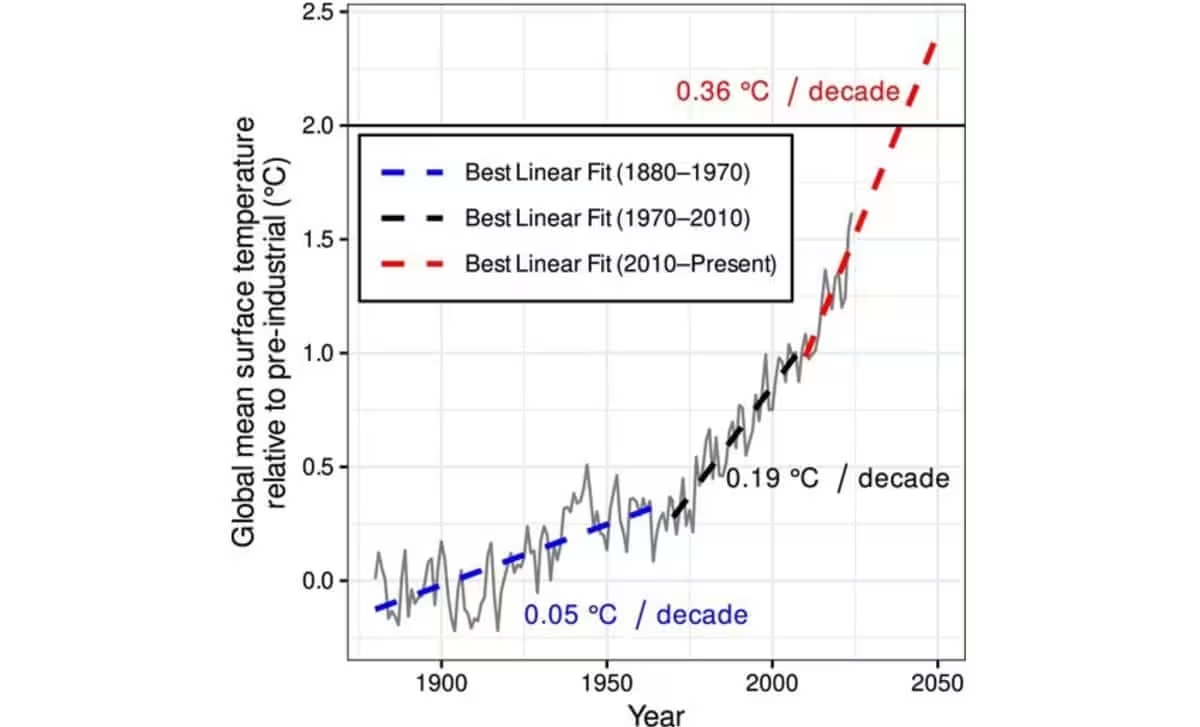
The Earth’s climate system is showing signs of rapid destabilization, moving beyond long-standing scientific warnings into a period of immediate, observable crisis. Data from the National Oceanic and Atmospheric Administration (NOAA) confirms that the period between June and August 2026 was the warmest on record for the contiguous United States. This trend is manifesting globally through catastrophic events, from parched European rivers to a devastating flash flood in Nepal that claimed nearly 1,500 lives. Compounding these stressors, the Pacific Ocean is currently experiencing an El Niño event characterized as the most intense in a millennium.
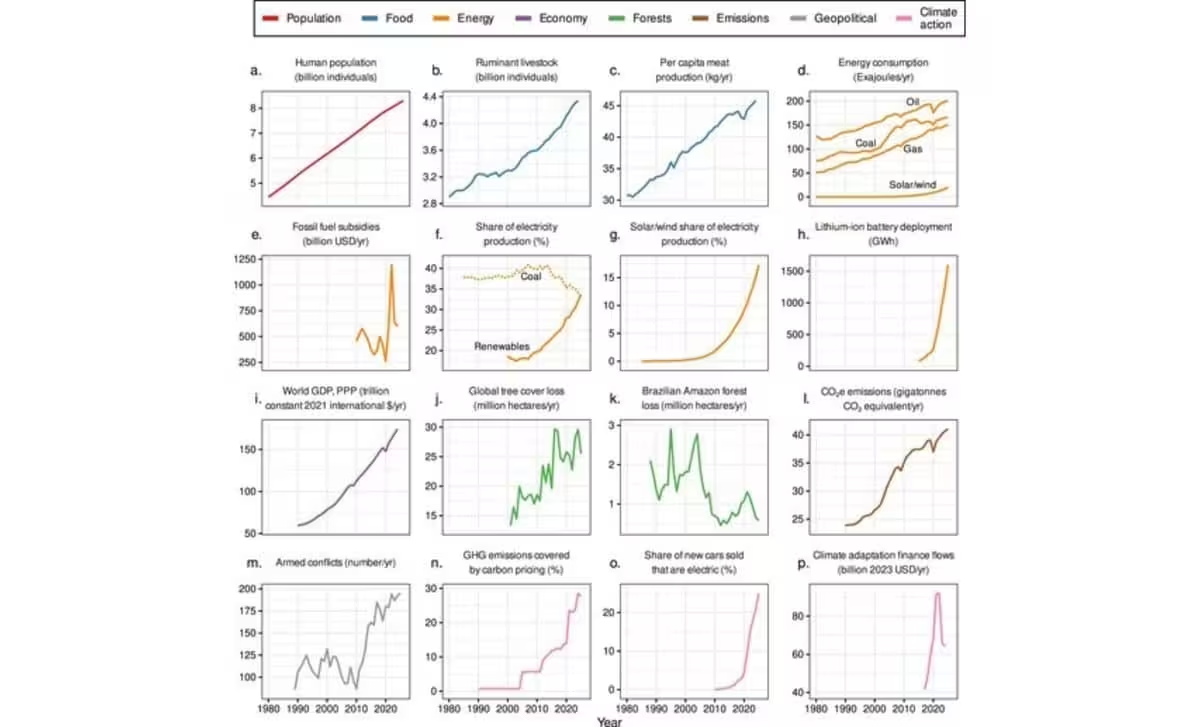
A sobering assessment presented in the 2026 State of the Climate report, published in the journal BioScience, argues that the planet’s essential life-support mechanisms are being pushed past sustainable thresholds. As the pace of environmental change begins to outstrip human response capabilities, the prospect of solar geoengineering—the intentional modification of the climate—has moved from the theoretical fringe into active debate.
The Science of Atmospheric Reflection
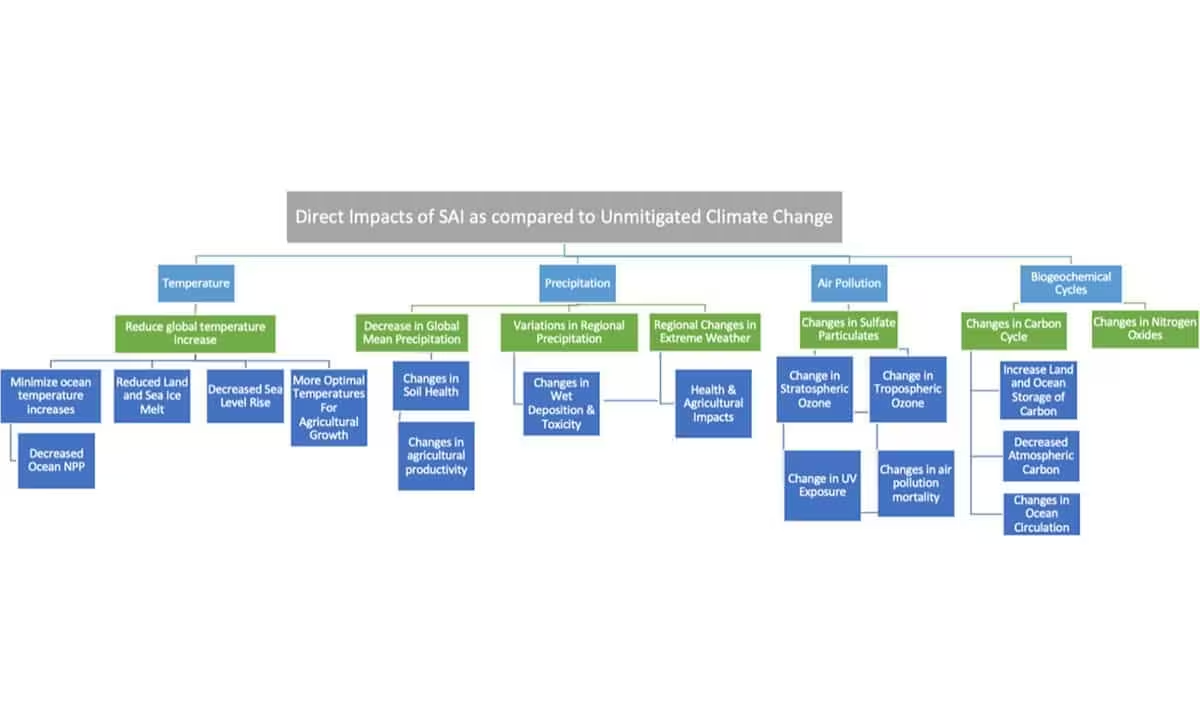
Solar radiation modification (SRM), particularly the method known as stratospheric aerosol injection, involves dispersing sulfur dioxide into the upper atmosphere to increase the planet’s albedo. The scientific inspiration for this technology is rooted in volcanic activity. Major eruptions, such as the 1991 event at Mount Pinatubo, have historically injected sulfur dioxide into the stratosphere, forming reflective particles that successfully dimmed incoming sunlight and lowered global temperatures—in Pinatubo’s case, by roughly one degree Fahrenheit.
While the physical mechanics of solar radiation modification (SRM) are grounded in observed natural phenomena, the prospect of deliberate, large-scale application has triggered intense alarm. Critics, including the Solar Geoengineering Non-Use Initiative, argue that such measures treat the symptoms of global warming without addressing its root cause: fossil fuel emissions. There is deep-seated fear that deploying such a tool could provide a pretext for governments and industries to delay necessary decarbonization efforts.
Beyond the environmental risks, the governance of these technologies poses profound questions regarding equity and geopolitical stability. An article from the initiative noted that such interventions involve profound questions of justice, legality, and political power, making it difficult to envision a scenario where such a system could be managed fairly across the long timescales required.
Simulating a Geopolitical Arms Race
To better understand these risks, a project titled Exploring Geopolitical Tipping Points and Climate Cooling Strategies, funded by the UK government, convened experts, diplomats, and military officials at Queen Mary University of London for a high-stakes simulation. The exercise aimed to stress-test how nations might behave if the prospect of planetary cooling became a tangible policy option.
The results were stark. Participants, acting as various state and non-state entities, quickly drifted away from the shared goal of climate stabilization, instead becoming mired in a competitive struggle for dominance. Observers later described the simulation as a nascent geoengineering arms race, where major powers like the United States and China prioritized national sovereignty and strategic leverage over collective security.
Commercial interests further complicated the scenario. In the simulation, fossil fuel-aligned actors operated under the guise of nongovernmental organizations to lobby for geoengineering as a convenient alternative to emissions cuts. The introduction of secrecy—the possibility that a nation might conduct clandestine testing—eroded the trust necessary for any multilateral agreement.
The Barrier of Political Mistrust
The final report of the simulation concluded that success was not undermined by the technology itself, but by an intractable web of political uncertainty. Participants struggled to verify information, assess the true intentions of rivals, and predict how the power balance would shift if a single nation gained control over the global thermostat.
Ultimately, the exercise demonstrated that even if a technological solution could effectively lower Earth’s temperature, the lack of a cohesive, trustworthy global governance structure renders its deployment a high-risk endeavor. The challenge, as highlighted by the research, is that humanity currently lacks the diplomatic maturity to manage a planetary-scale intervention without triggering a destructive cycle of geopolitical rivalry.
This article has been fact checked for accuracy, with information verified against reputable sources. Learn more about us and our editorial process.
Last reviewed on .
Article history
- Latest version
Reference(s)
- “Monitoring the U.S. Temperature and Precipitation in August 2026.”, September 9, 2026 National Centers for Environmental Information (NCEI) <https://www.ncei.noaa.gov/news/national-climate-202608>.
- , doi: 10.1093/biosci/biag125/8836482. <https://academic.oup.com/bioscience/advance-article/doi/10.1093/biosci/biag125/8836482?login=false>.
- <https://www.politico.com/news/2026/09/23/solar-geoengineering-politics-shift-01073177>.
- Biermann, Heleen. “Who opposes solar geoengineering – and why?.”, April 2, 2026 Solar Geoengineering Non-Use Agreement <https://www.solargeoeng.org/who-opposes-solar-geoengineering-and-why/>.
- “Comprehensive Report Negotiating Solar Radiation Modification Governance: Evidence from Non-Ideal Simulations | School of Politics and International Studies | University of Leeds.” <https://essl.leeds.ac.uk/downloads/download/278/comprehensive-report-negotiating-solar-radiation-modification-governance-evidence-from-non-ideal-simulations>.
Cite this page:
- Posted by William Moore