Scientists Reveal the Clear Environmental Fingerprint Driving Global Disease Outbreaks
The next global pandemic could emerge from unexpected corners of the globe. New research uncovers the hidden factors driving future disease outbreaks.

As global human populations push into previously untouched natural habitats, the barriers between people, livestock, and wildlife are increasingly collapsing. This expansion—driven by industrial agriculture, mining, rapid urbanization, and persistent deforestation—is fundamentally altering ecosystems that once served as stable reservoirs for various pathogens. These environmental shifts have become a central catalyst for the rise in zoonotic and vector-borne illnesses, creating a complex web of infection risks that researchers are only just beginning to untangle.
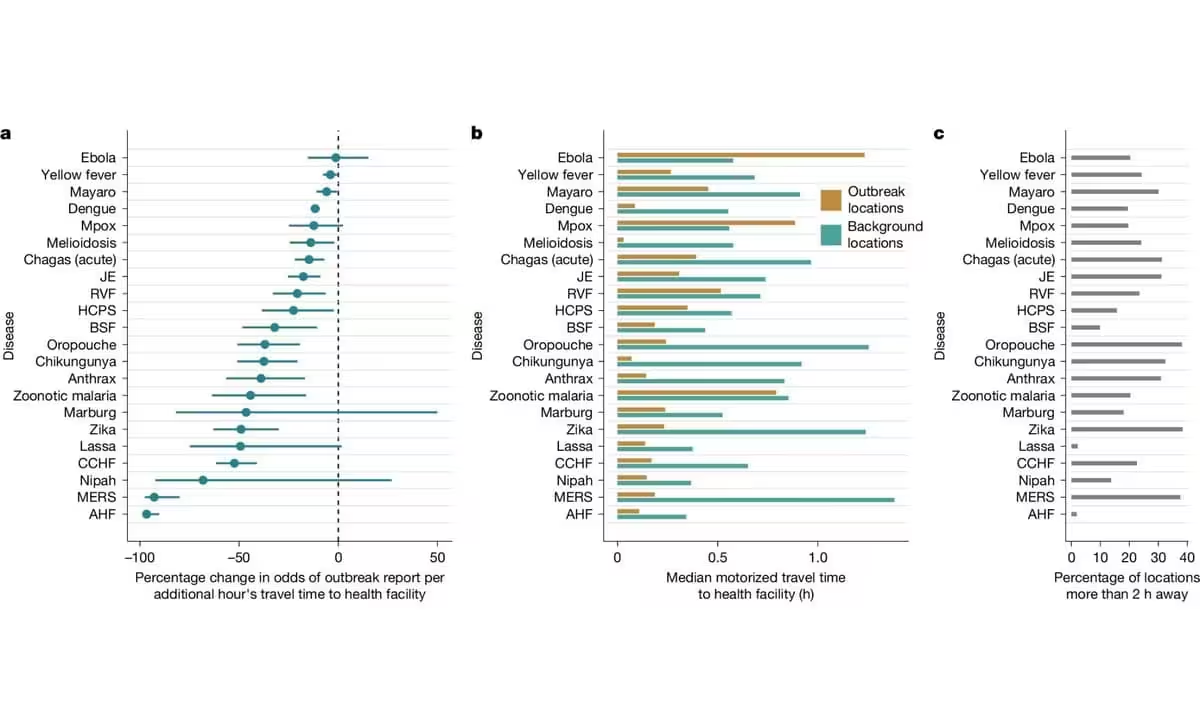
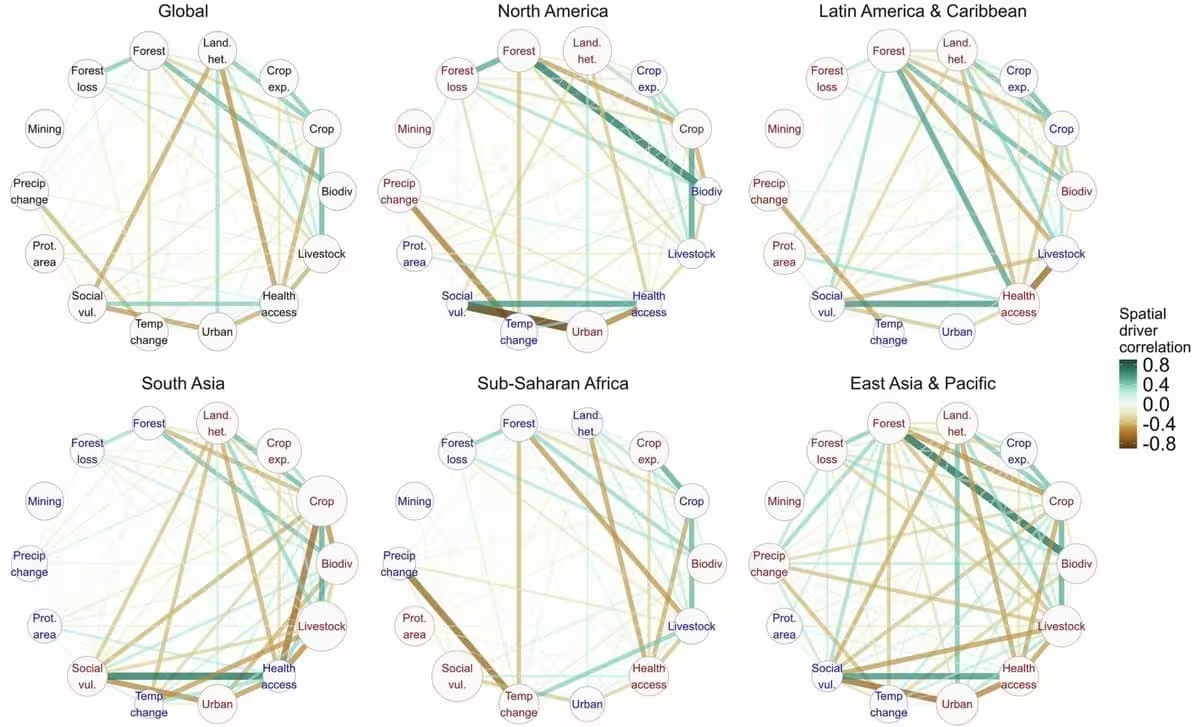
A major international study published in Nature underscores the profound role that human-driven landscape transformation plays in the geography of disease outbreaks. By analyzing a massive, global compendium of data regarding 32 emerging infectious diseases, the team sought to map how environmental and social pressures contribute to the emergence of these threats while filtering out the noise of unequal surveillance.
“Human-driven ecosystem changes and human–wildlife–livestock contact can drive the emergence of zoonotic and vector-borne diseases,” the researchers noted. “But how much these processes shape landscapes of outbreak risk is poorly understood.”
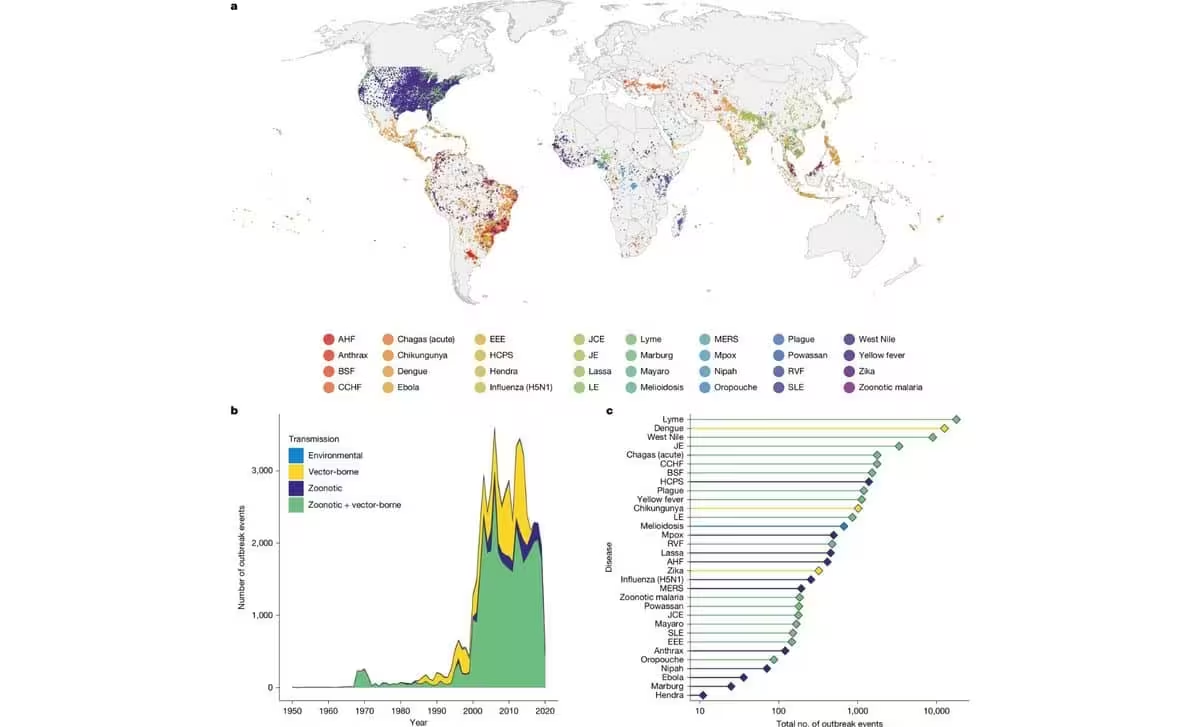
The Hidden Drivers of Global Health Threats
The research identified five distinct categories that influence why disease outbreaks cluster in specific regions. Beyond the obvious physical changes to the landscape, the team highlighted the critical role of surveillance bias. Regions with robust medical infrastructure and urban density are more likely to report outbreaks, whereas rural or underserved populations often face the same risks without the benefit of consistent, documented detection.
These categories include:
- Detection Capacity: Proximity to healthcare facilities and urban resources directly correlates with the ability to identify and contain a pathogen early.
- Socioeconomic Factors: Density of livestock populations and general social vulnerability influence the frequency and nature of human-animal interaction.
- Ecosystem Structure: Declines in biodiversity often disrupt the natural checks and balances that keep pathogen circulation within animal populations.
- Land Use Changes: Mining, industrial expansion, and habitat fragmentation act as primary drivers for creating new, high-risk interfaces between species.
- Climate Forcing: Rising temperatures and altered precipitation patterns are shifting the ranges of disease vectors, such as mosquitoes, which thrive in warmer, more humid climates.
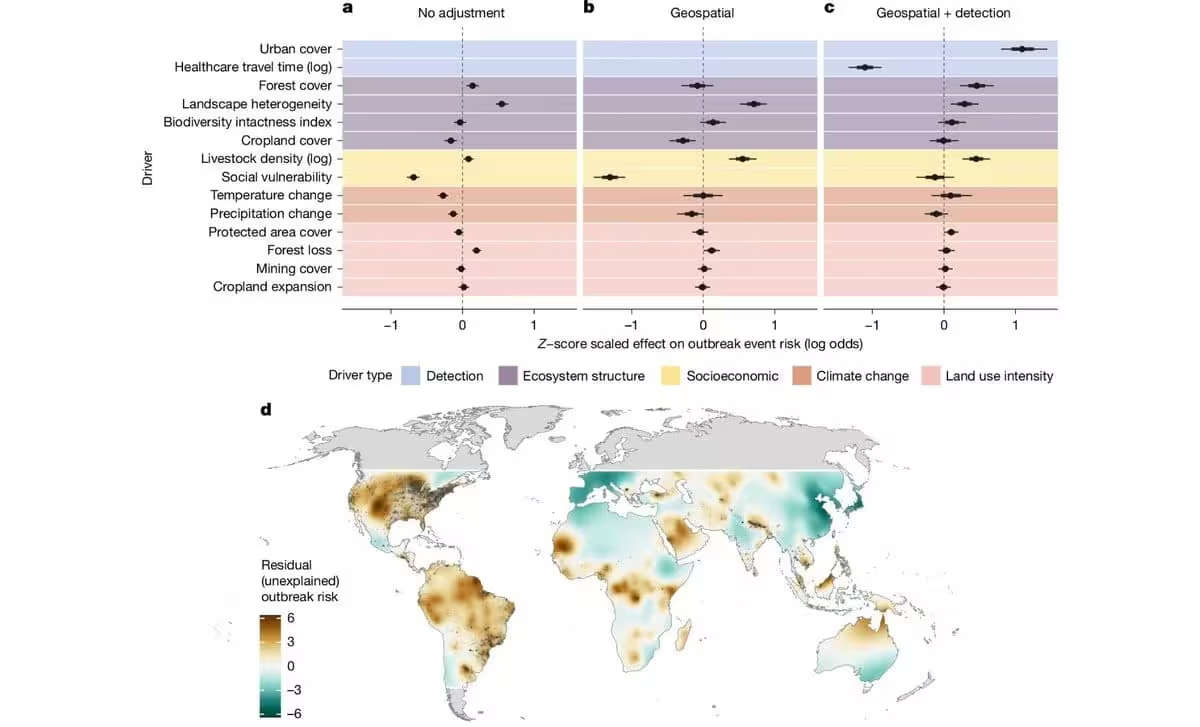
The Anthropogenic Fingerprint
While the biological nuances of pathogens—from arboviruses like dengue to coronaviruses—differ, the study confirms a consistent, pervasive human influence across the board. The researchers argue that unless there is a significant pivot in how humanity manages land use and climate impact, the prevalence of these diseases is likely to climb in the coming decades.
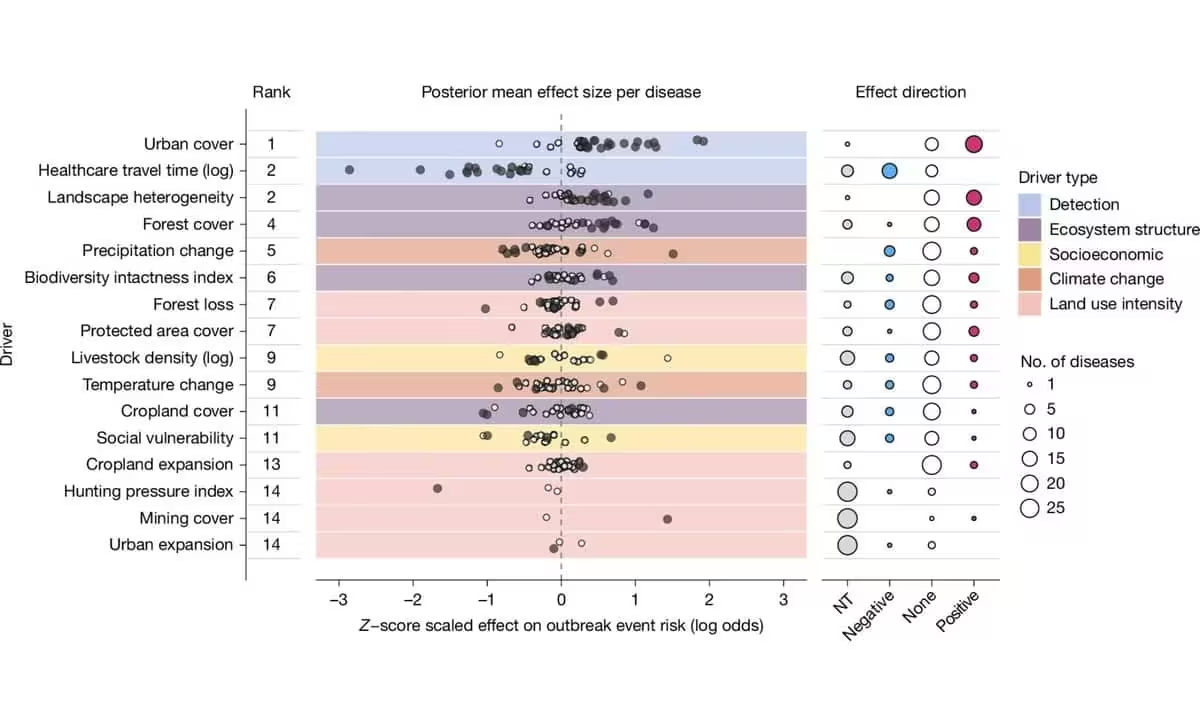
The findings offer a cautionary tale about the necessity of integrated public health strategies. Vaccination and reactive medical care are vital, but they are insufficient on their own without tackling the environmental triggers of emergence. The researchers emphasize that mitigating climate change and restoring ecosystems remain essential long-term investments for global health security.
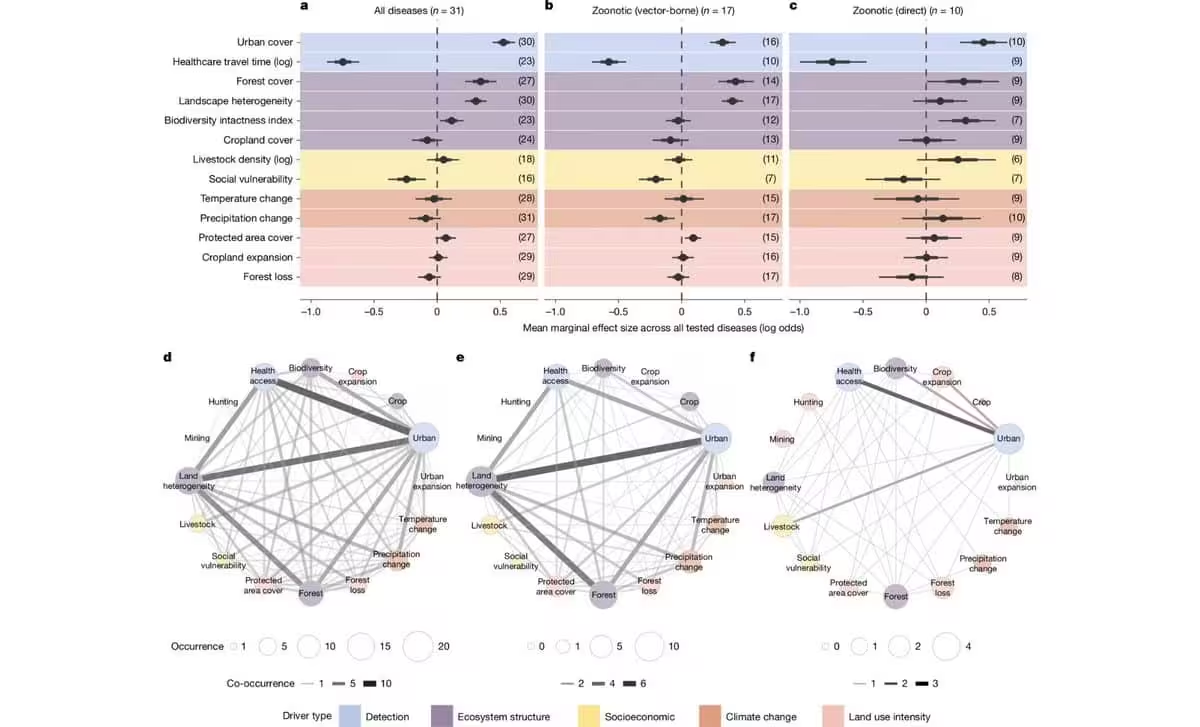
“We find evidence of a strong and consistent anthropogenic fingerprint on [diseases], suggesting that over the coming decades, risk is likely to increase unless there are substantial shifts in human activities,” the authors stated. By decoupling these complex variables, the study provides a clearer roadmap for future policy, though the team acknowledges that the exact convergence of pressures leading to any single outbreak remains a multifaceted puzzle.
This article has been fact checked for accuracy, with information verified against reputable sources. Learn more about us and our editorial process.
Last reviewed on .
Article history
- Latest version
Reference(s)
- Gibb, Rory. “The anthropogenic fingerprint on emerging infectious diseases - Nature.”, September 23, 2026, pp. 1-9. Nature, doi: 10.1038/s41586-026-11058-6. <https://www.nature.com/articles/s41586-026-11058-6>.
- “Checking your browser - reCAPTCHA.” <https://pmc.ncbi.nlm.nih.gov/articles/PMC8055094/>.
Cite this page:
- Posted by William Moore