Four New Species of Tiny Dragon Pseudoscorpions Discovered Deep Inside South Korean Caves
Scientists have discovered four new species of tiny cave-dwelling creatures in South Korea, each sporting surprisingly oversized, powerful jaws.
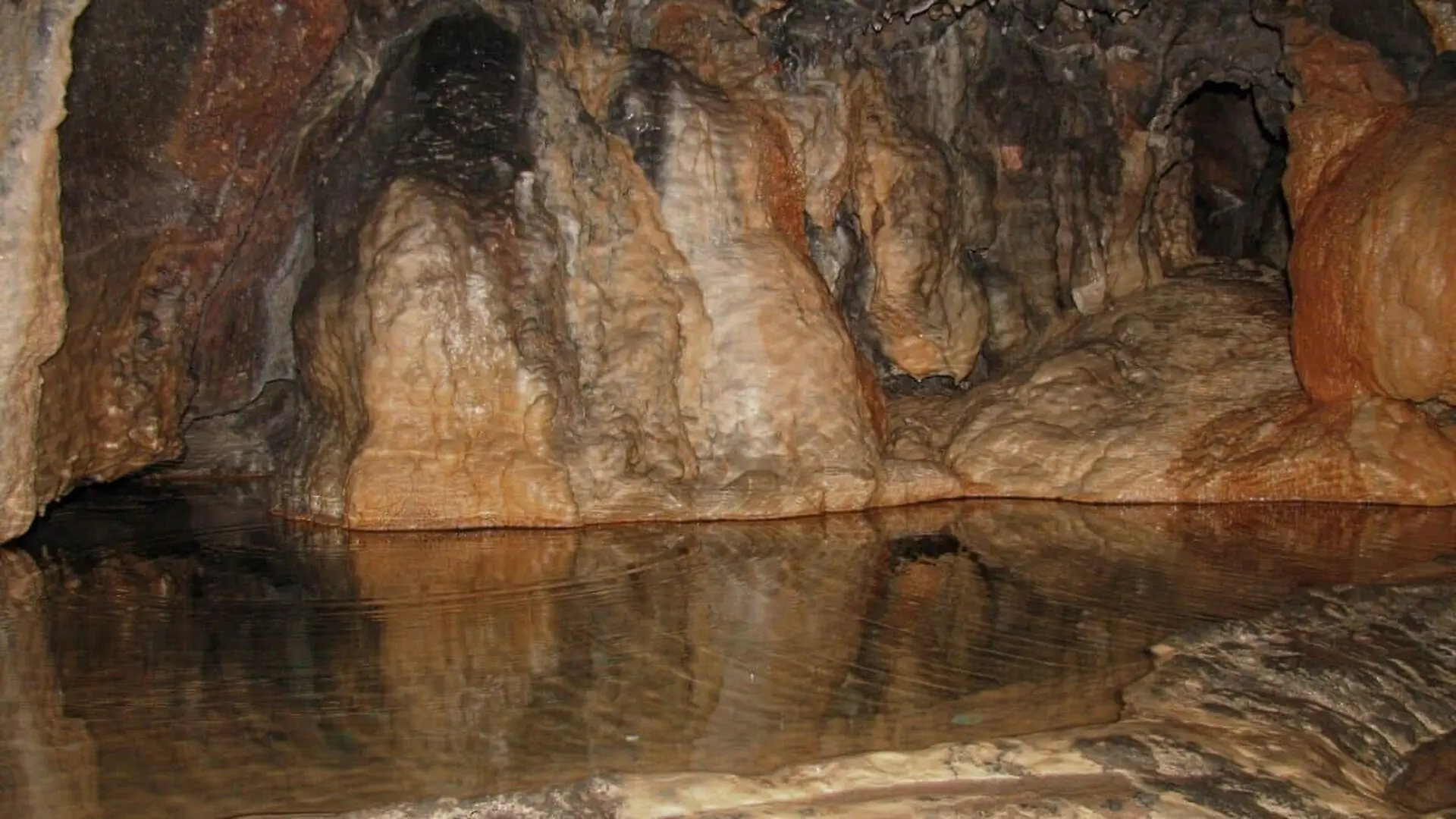
A series of field expeditions into South Korea’s secluded subterranean networks has revealed the existence of four previously unknown species of pseudoscorpion. These tiny arachnids, characterized by their oversized, dragon-like pincers, have evolved in complete isolation within the country’s extensive limestone cave systems, remaining hidden from scientific record until now.
The research, led by a team from Jeonbuk National University, employed an integrative taxonomic approach—merging genetic sequencing, morphological examination, and ecological data—to categorize the new arrivals within the genus Spelaeochthonius. The study, detailed in PLOS One, effectively expands the known diversity of South Korean cave-dwelling pseudoscorpions from five species to nine.
Miniature Predators of the Deep
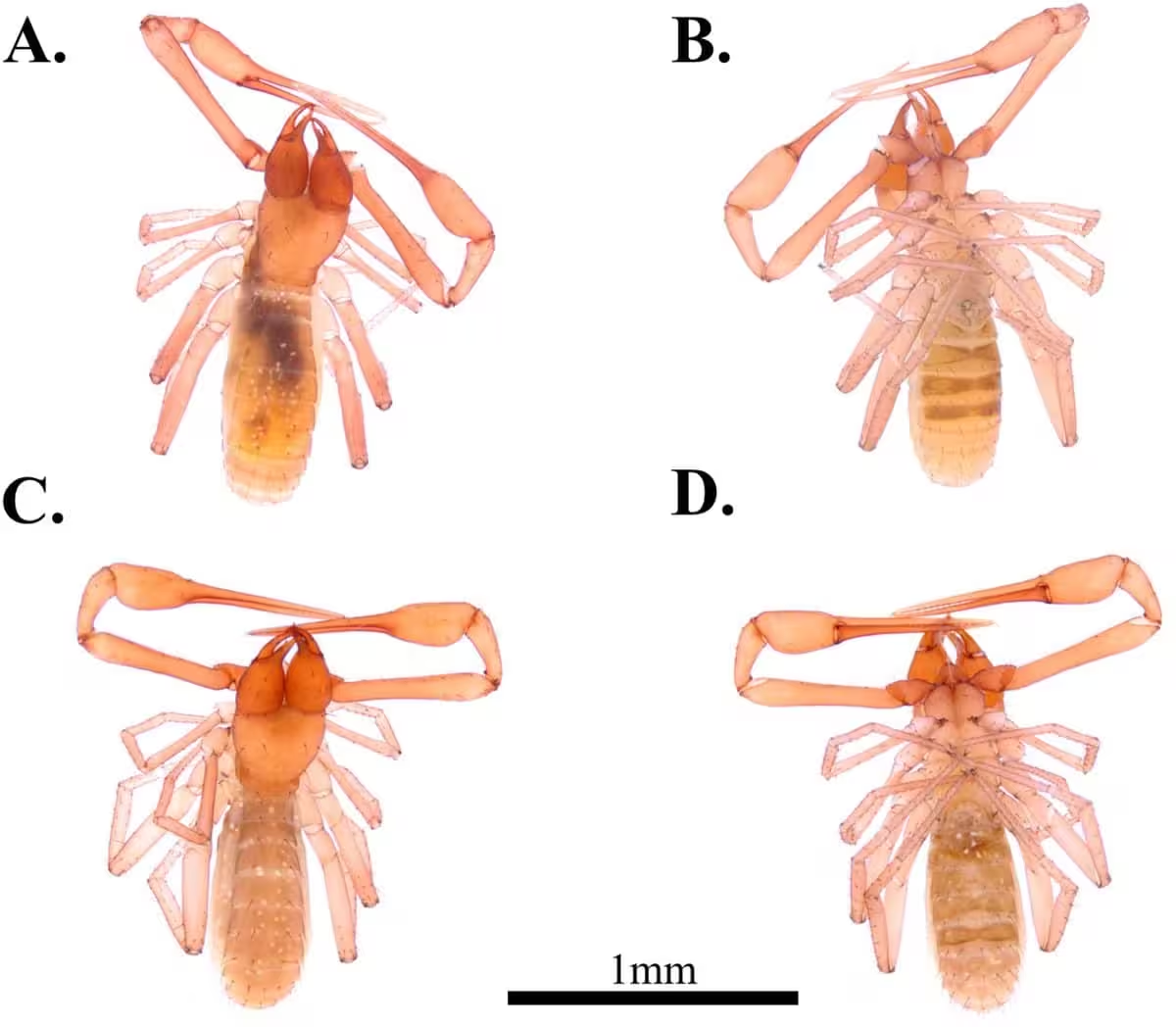
Despite their imposing common name, these “dragon” arachnids measure a mere 1 to 3 millimeters in length. While they share a lineage with true scorpions, they lack a venomous tail, instead relying on powerful jaws to secure prey in environments devoid of sunlight. The four newly described species—Spelaeochthonius dugigulensis, S. geumgulensis, S. magwihalmigulensis, and S. yamigulensis—exhibit distinct physical traits and genetic signatures that suggest they have adapted to their specific, localized niches over long periods of time.
Mapping Uncharted Subterranean Biodiversity
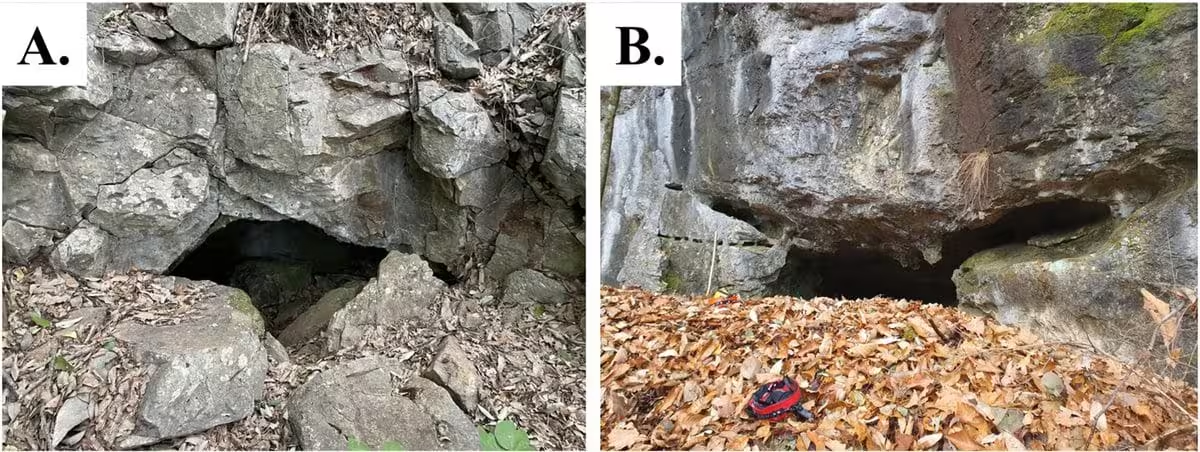
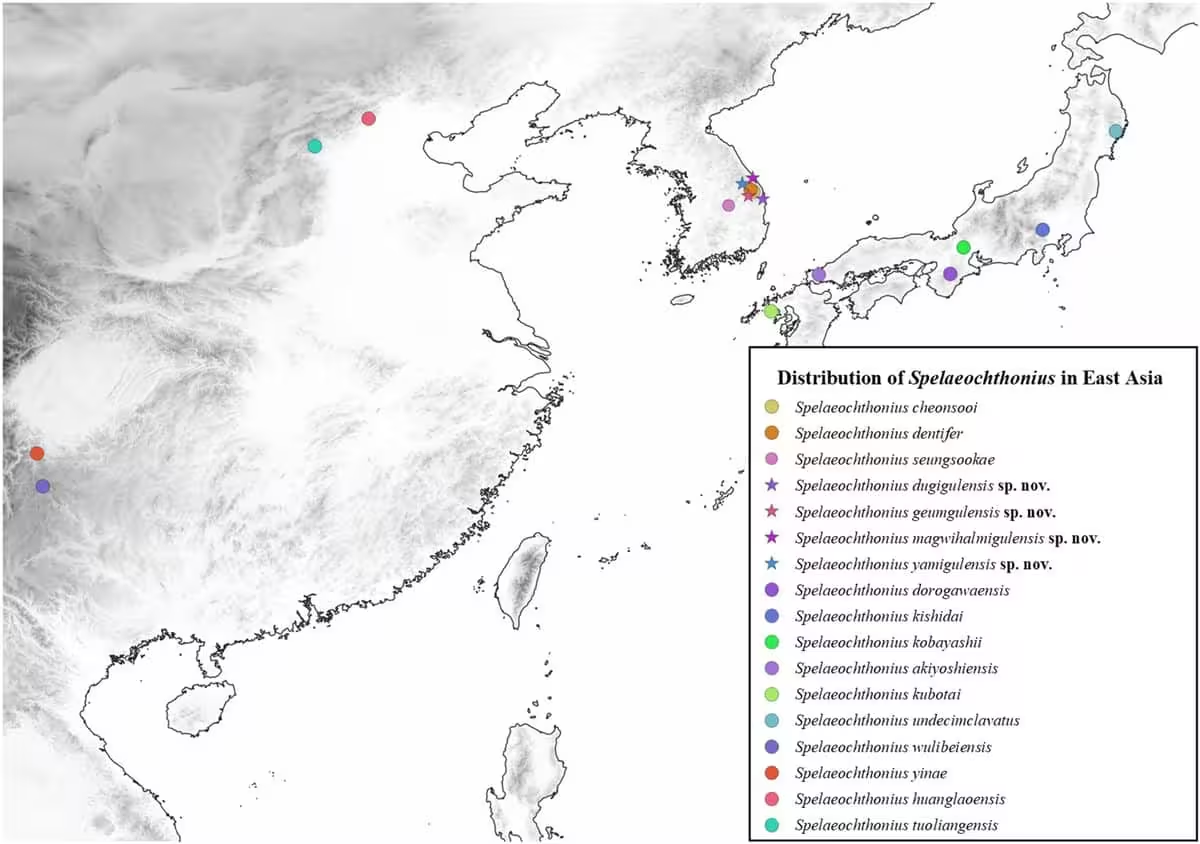
South Korea features more than 1,000 caves, particularly concentrated within the rugged terrain of the Taebaek and Sobaek mountain ranges. Much of this underground geography remains largely unmapped and biologically unexplored. The discovery that each of the four new pseudoscorpion species is restricted to a single cave or karst system underscores the extreme level of endemism present in these isolated habitats.
Conservation in the Dark
The highly specialized nature of these creatures makes them exceptionally vulnerable to environmental shifts. Because they are confined to single, fragile underground ecosystems, they face significant threats from habitat degradation, pollution, and the broader impacts of climate change.
Researchers emphasize that comprehensive conservation strategies cannot be effectively implemented without first cataloging the species that inhabit these hidden worlds. By identifying these “unveiled” members of the subterranean fauna, scientists hope to establish a baseline for protecting the diverse life forms that remain tucked away beneath the earth’s surface.
“Discovering undescribed subterranean species is an important project for conserving and understanding the unveiled fauna of this dark ecosystem,” the research team concluded.
This article has been fact checked for accuracy, with information verified against reputable sources. Learn more about us and our editorial process.
Last reviewed on .
Article history
- Latest version
Reference(s)
- Jeong, Kyung–Hoon., et al. “Four new species of dragon pseudoscorpions (Pseudoscorpiones: Pseudotyrannochthoniidae: Spelaeochthonius) from caves in South Korea revealed by integrative taxonomy.” PLOS One, vol. 20, no. 7, July 9, 2025, pp. e0325375 Public Library of Science (PLoS), doi: 10.1371/journal.pone.0325375. <https://dx.doi.org/10.1371/journal.pone.0325375>.
Cite this page:
- Posted by William Moore