Arctic Near Circle Soars Above 90°F, Highlighting Accelerating Ice Loss and Global Heat
Arctic’s rapid transformation is evident as a recent event underscores a long‑tracked warming trend reshaping the region.
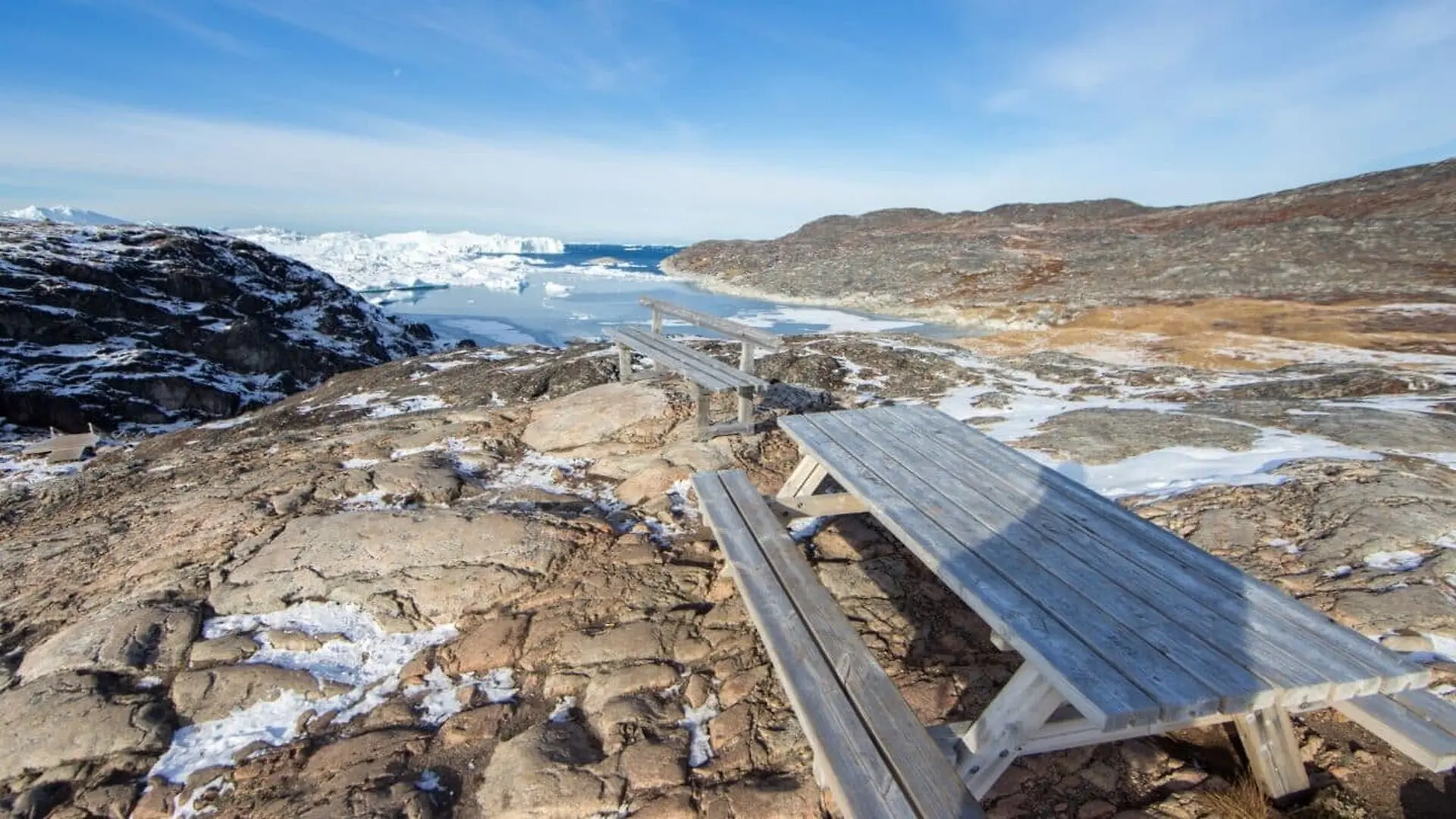
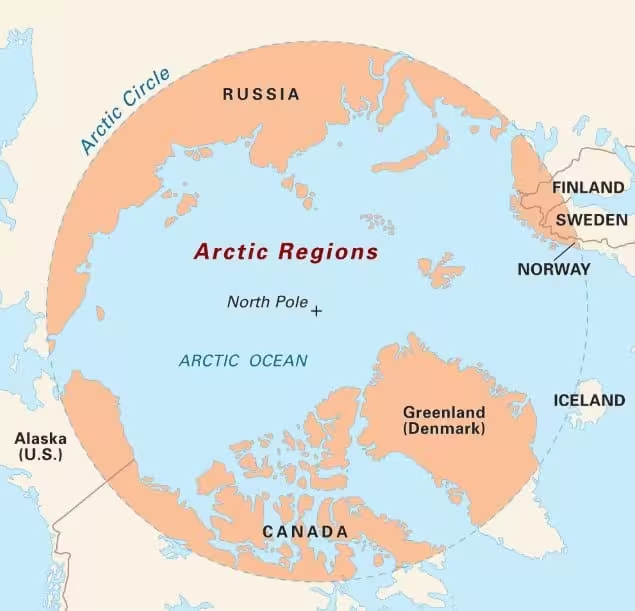
Recent observations show that sections of the Arctic have surged past 90 °F (32.2 °C), with northern Russia enduring an unexpected spell of intense summer heat. Temperatures recorded near the Arctic Circle approached levels normally seen in far warmer climates, underscoring the accelerating transformation of the polar environment.
The high‑latitude region is warming at a pace that outstrips the global average, a trend driven largely by the steady decline of sea‑ice cover. As ice retreats, darker ocean surfaces absorb more solar energy, creating a feedback loop that amplifies regional warming.
Northern Russia Records Near‑Tropical Heat
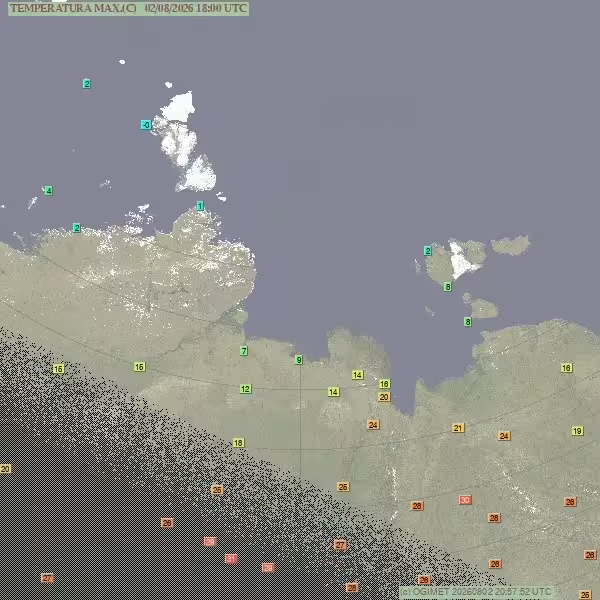
Weather stations across the traditionally frigid north logged temperatures that rival those of subtropical locales. The Selagoncy station, positioned just inside the Arctic Circle, posted a high of 93.0 °F (33.9 °C). Meanwhile, the Olenyok site recorded a peak of 90.9 °F (32.7 °C).
These readings, compiled by the weather‑data service Ogimet and highlighted by climatologist Maximiliano Herrera, rank among the most extreme temperature measurements documented in the high Arctic.
The temperature spikes matched conditions in Orlando, Florida, during the same season, highlighting how dramatically the Arctic climate is shifting. Independent forecaster Alan Gerard emphasized the broader significance:
“Studies in recent years have shown that the Arctic is warming much more rapidly than the rest of the planet due to feedback from the loss of sea ice—so it is not surprising that we are seeing these all-time record temperatures at high latitudes.”
Sea‑Ice Loss Fuels Accelerated Arctic Warming
The rapid temperature rise is tightly linked to the ongoing retreat of sea ice. Ice surfaces normally reflect a substantial portion of incoming sunlight back into space. When these reflective layers melt, the exposed dark ocean water absorbs additional solar radiation, raising local temperatures and hastening further ice loss—a self‑reinforcing cycle.
According to analyses cited by Gerard, the Arctic is warming at a rate that can be up to four times faster than the global average. This disparity makes the polar region a critical barometer for detecting and understanding broader climate dynamics.
Repeated episodes of unprecedented warmth, such as the recent heatwave, illustrate the tangible impacts of this feedback mechanism on the Arctic’s climate system.
Heatwave Extends From the Arctic to the Lower 48
The northern heat event forms part of a larger pattern of extreme temperatures across the United States. In New York City’s Central Park, the thermometer climbed to 100 °F (37.8 °C)—a reading not seen since 2012.
Further west, Montana recorded a scorching 111 °F (43.9 °C), while parts of Idaho, Utah, and Wyoming surpassed the 100 °F (37.8 °C) mark. Meteorologist Gerard warned that an anticipated strong El Niño event could amplify these temperature extremes later in the year.
“With the building potentially record El Niño, it is likely that in 2027 we will see even more record heat than we are seeing this year.”
The Arctic temperature records, alongside the simultaneous heatwaves across the United States, illustrate how rapidly climate patterns are evolving in both high‑latitude and mid‑latitude zones.
This article has been fact checked for accuracy, with information verified against reputable sources. Learn more about us and our editorial process.
Last reviewed on .
Article history
- Latest version
Reference(s)
- “Ogimet home page.” <https://www.ogimet.com/home.phtml.en>.
- “Maximiliano Herrera Personal Home Page.” <https://www.mherrera.org/me.htm>.
Cite this page:
- Posted by William Moore