Yale Doctor Reveals Survival Secrets for Heat Exhaustion and Stroke This Summer
An expert breaks down heat illnesses, signs to get medical help, and tips to lower your summer risk, plus practical ways to stay safe.
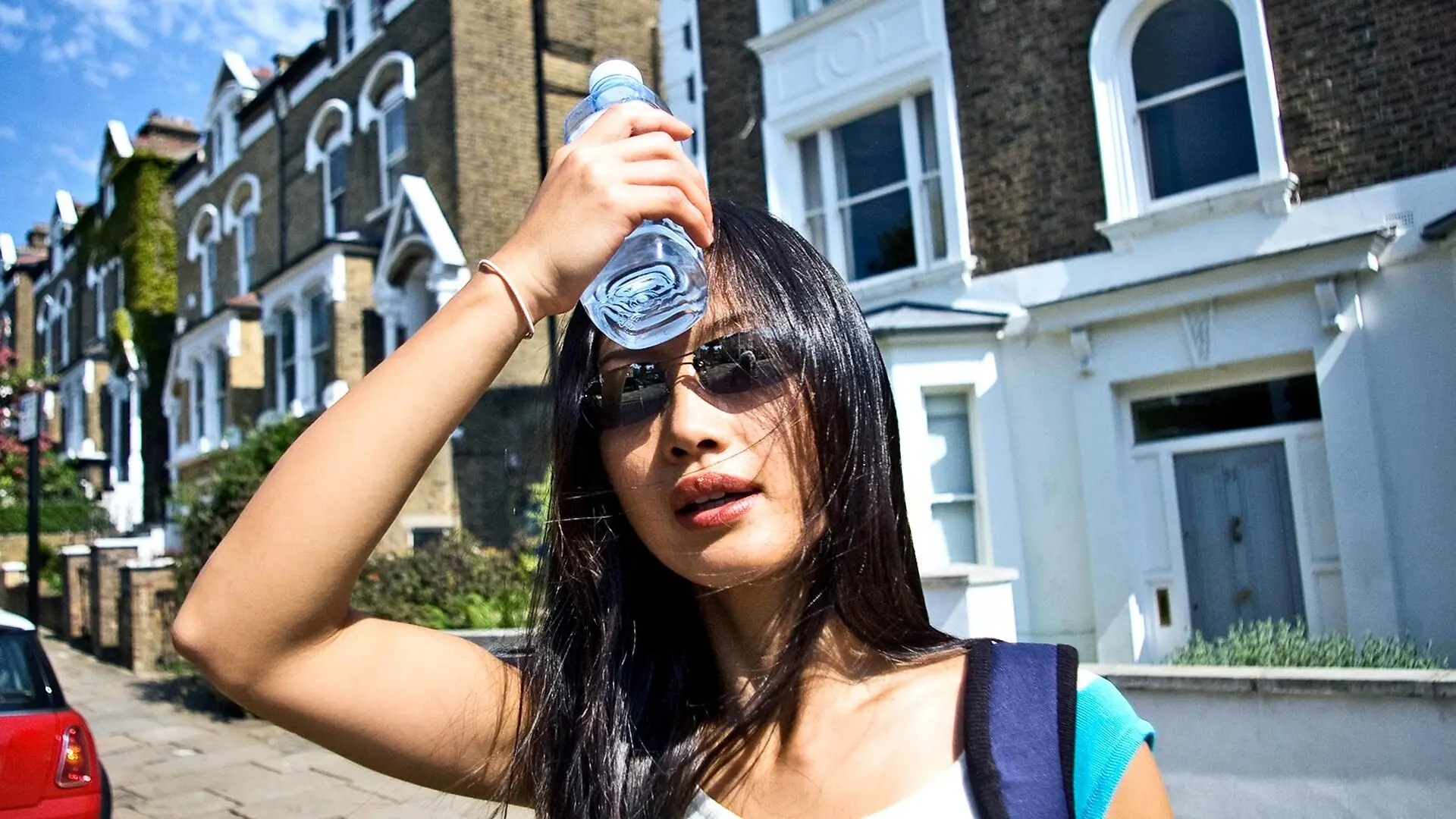
Rising summer temperatures across the United States are amplifying threats such as heat exhaustion and heat stroke, a trend scientists link to accelerating climate change.
David Della‑Giustina, a professor of emergency medicine at Yale School of Medicine and the vice chair for education of emergency medicine, offers guidance on recognizing and preventing heat‑related illnesses.
Before his academic career, Della‑Giustina spent nearly three decades in the U.S. Army, retiring as a colonel after combat deployments in Afghanistan and Iraq. During those tours he routinely faced extreme heat while serving as a physician, gaining firsthand experience in coping with harsh climates.
“We train extensively for both heat and cold environments, learning how to manage casualties and protect ourselves,” he explains, drawing on his military training to inform his current teaching of wilderness medicine fellows.
According to Della‑Giustina, the key to staying safe in hot weather is to recognize early signs of heat illness, seek medical attention promptly when symptoms worsen, and adopt simple protective measures such as staying hydrated, limiting exposure during peak heat, and wearing appropriate clothing.
This article has been fact checked for accuracy, with information verified against reputable sources. Learn more about us and our editorial process.
Last reviewed on .
Article history
- Latest version
Cite this page:
- Posted by William Moore