Large Cohort Study Shows No Autism Risk From Newborn Circumcision
New research eases parental worries by finding no link between circumcision and autism, offering reassurance amid longstanding concerns.
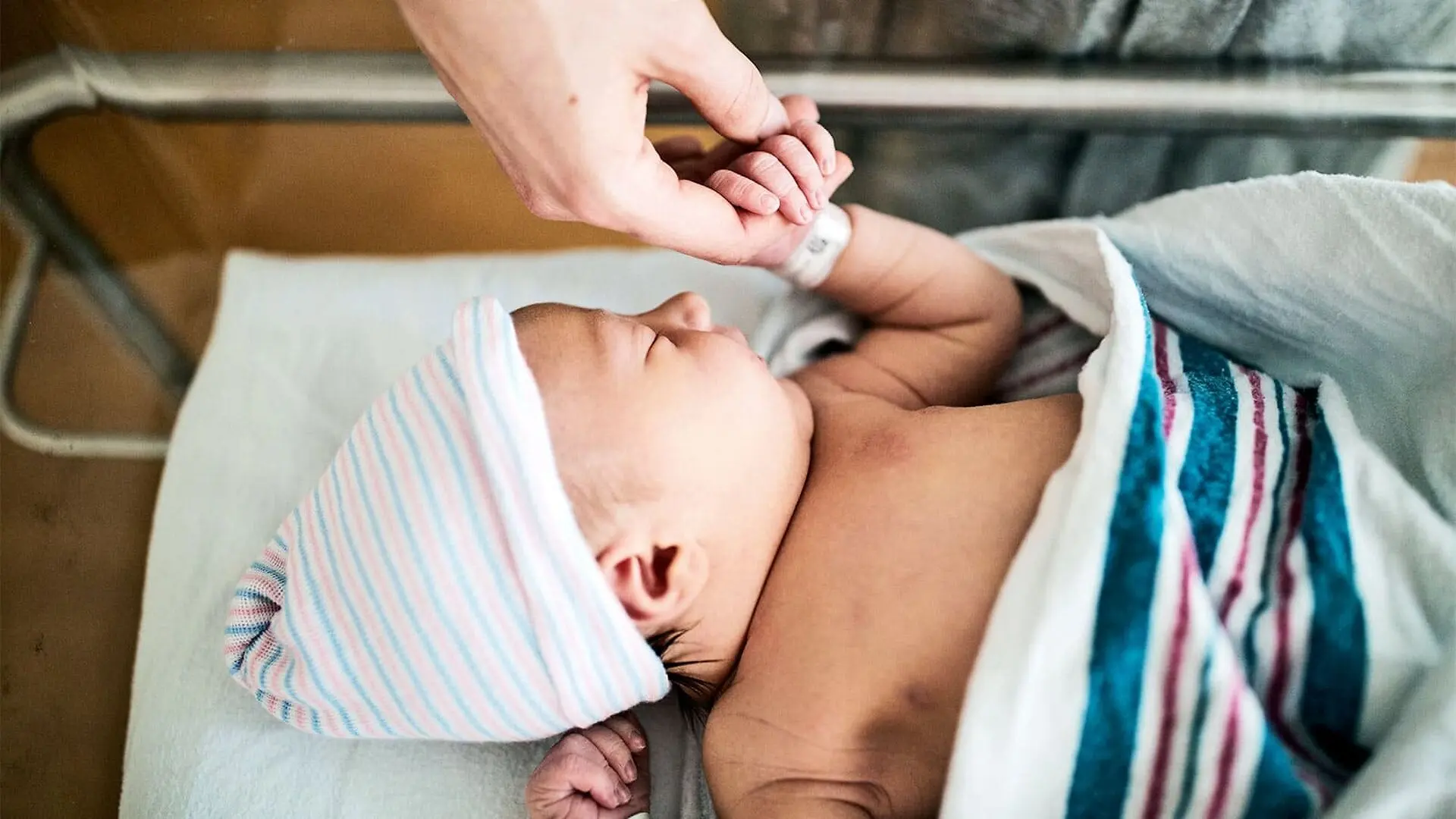
New Research Shows No Increased Autism Risk From Neonatal Circumcision
A large‑scale analysis of nearly 3,000 male participants tracked from birth through early childhood indicates that infants circumcised shortly after delivery do not face a heightened likelihood of developing autism.
Earlier observational reports from 2013 and 2015 had hinted at a possible connection, sparking media attention when officials referenced the findings last year. The latest investigation, published in JAMA Pediatrics, draws on data from the nationwide Environmental influences on Child Health Outcomes (ECHO) Cohort.
“We observed no association between circumcision and autism in boys…”
Senior author Monica McGrath, a research professor at Johns Hopkins Bloomberg School of Public Health, emphasized that the results should reassure parents worried about a potential link.
“Parents have been concerned about this potential circumcision‑autism connection, but hopefully these findings may help allay their fears,” McGrath said.
While circumcision rates have been on the decline across the United States, autism diagnoses have risen dramatically over recent decades. CDC data reveal that in 2000 roughly one in 150 children received an autism diagnosis, compared with one in 31 eight‑year‑olds reported in 2022. Whether this surge reflects a true increase in prevalence or broader awareness and testing remains uncertain.
The resurgence of public debate last year prompted McGrath’s team to leverage the ECHO dataset to address the question directly.
“We knew we had the data to help investigate this question,” she explained.
The study comprised 2,771 boys enrolled at 14 ECHO sites nationwide. Approximately two‑thirds (1,840) underwent circumcision before hospital discharge, while 192 (about 7 %) had a documented or parent‑reported autism diagnosis at an average age of 3.8 years.
Among those circumcised as neonates, 6 % (108 of 1,840) were later diagnosed with autism. In contrast, 9 % (84 of 931) of uncircumcised boys received the diagnosis. After adjusting for variables such as parental age and family history, the analysis found no statistically significant relationship between the procedure and autism risk.
The researchers also examined exposure to acetaminophen during the neonatal period, but the low incidence (<5 %) precluded any meaningful assessment of its potential impact on autism outcomes.
“We observed no association between circumcision and autism in boys, but it remains important to evaluate the safety of common medical procedures,” McGrath noted.
Ongoing work by the ECHO team aims to identify other factors that may contribute to the growing number of autism diagnoses.
Funding for the research was provided by the National Institutes of Health.
This article has been fact checked for accuracy, with information verified against reputable sources. Learn more about us and our editorial process.
Last reviewed on .
Article history
- Latest version
Reference(s)
- McGrath, Monica., et al. “Neonatal Medical Male Circumcision and Child Autism Diagnosis.” JAMA Pediatrics, August 3, 2026 American Medical Association (AMA), doi: 10.1001/jamapediatrics.2026.3239. <https://doi.org/10.1001/jamapediatrics.2026.3239>.
Cite this page:
- Posted by David Anderson