Dual-Action miRNA Therapy Shrinks Lung Tumors 95% and Overcomes Drug Resistance
A new model shows remarkable results, achieving over 95% tumor shrinkage.
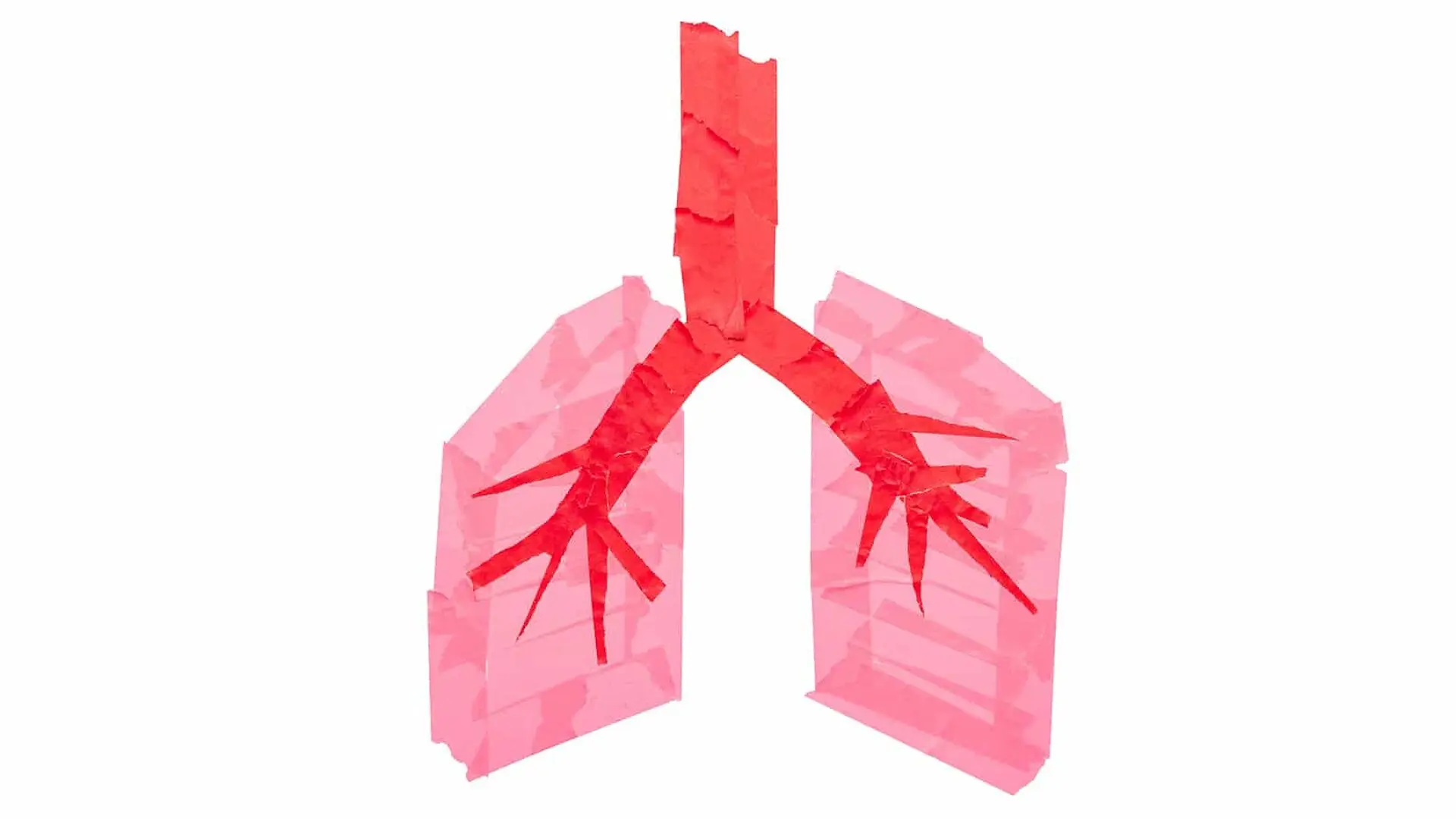
Multi‑targeted miRNA‑129 Therapy Slashes Lung Tumors in Preclinical Study
Lung cancer continues to be one of the top causes of cancer mortality in the United States, driving urgent demand for more effective treatments.
A research team at the Stony Brook Cancer Center has reported a novel approach that dramatically reduces tumors in a non‑small cell lung cancer (NSCLC) mouse model and appears to prevent the emergence of drug resistance.
The findings were published in Molecular Therapy and were led by Jingfang Ju, professor of pathology at the Renaissance School of Medicine, Stony Brook University, and director of the Oncogenic Drivers and Mechanisms of Carcinogenesis program.
Designing a Dual‑Action Molecule
Ju’s team engineered a therapy that fuses the tumor‑suppressing microRNA‑129 (miRNA‑129) with the chemotherapy agent gemcitabine, creating a compound they call Gem‑miR‑129. miRNA‑129 is a non‑coding RNA that naturally down‑regulates oncogenic pathways, while gemcitabine is a standard first‑line chemotherapy for NSCLC.
Unlike conventional single‑target agents, Gem‑miR‑129 can penetrate cancer cells without an external delivery system and simultaneously blocks three key oncogenic drivers—HMGB1, YAP1, and PBX3.
Remarkable Efficacy in Mice
In the animal study, tumors shrank by more than 95 % after treatment with Gem‑miR‑129. The therapy also extended the mice’s survival by several weeks, an improvement that the researchers suggest could translate into an additional five to fifteen years of life for human patients.
“Resistance is the primary reason why current lung cancer therapies stop working for patients, and for that reason, this approach is highly promising,” Ju emphasized.
Addressing Resistance to Targeted Therapies
While tyrosine‑kinase inhibitors (TKIs) have improved outcomes for NSCLC patients with EGFR mutations, roughly half of those tumors eventually develop resistance. Gem‑miR‑129 is engineered for this resistant subset, suppressing oncogenes linked to both intrinsic and acquired resistance to chemotherapy and EGFR‑targeted drugs.
The compound’s low‑dose gemcitabine component also diminishes tumor‑infiltrating regulatory T cells (Ti‑Tregs), which normally dampen the activity of cytotoxic CD4⁺ and CD8⁺ T cells. By reducing Ti‑Tregs, the therapy restores immune‑mediated tumor killing.
Safety Profile and Next Steps
Throughout the study, the researchers observed no overt toxic effects from Gem‑miR‑129. They view the results as a proof‑of‑concept that could pave the way for clinical trials.
Future work will focus on filing an Investigational New Drug (IND) application to define the safety profile of Gem‑miR‑129 and move toward human testing.
The research was funded in part by a Veterans Affairs Merit Award and a Stony Brook Cancer Center Pilot Fund.
This article has been fact checked for accuracy, with information verified against reputable sources. Learn more about us and our editorial process.
Last reviewed on .
Article history
- Latest version
Reference(s)
- Intriago, Erick M.., et al. “Development of gemcitabine-modified multimodal miR-129 mimic as a novel therapeutic in non-small cell lung cancer.” Molecular Therapy Nucleic Acids, vol. 37, no. 3, September 1, 2026, pp. 102997 Elsevier BV, doi: 10.1016/j.omtn.2026.102997. <https://doi.org/10.1016/j.omtn.2026.102997>.
Cite this page:
- Posted by David Anderson