Laser Scans Reveal Dozens of Ancient Ships Hidden on Temple Walls in Cyprus
Archaeologists have discovered overlooked Bronze Age ship carvings hidden in plain sight on temple walls, revealing secrets missed for decades of study.
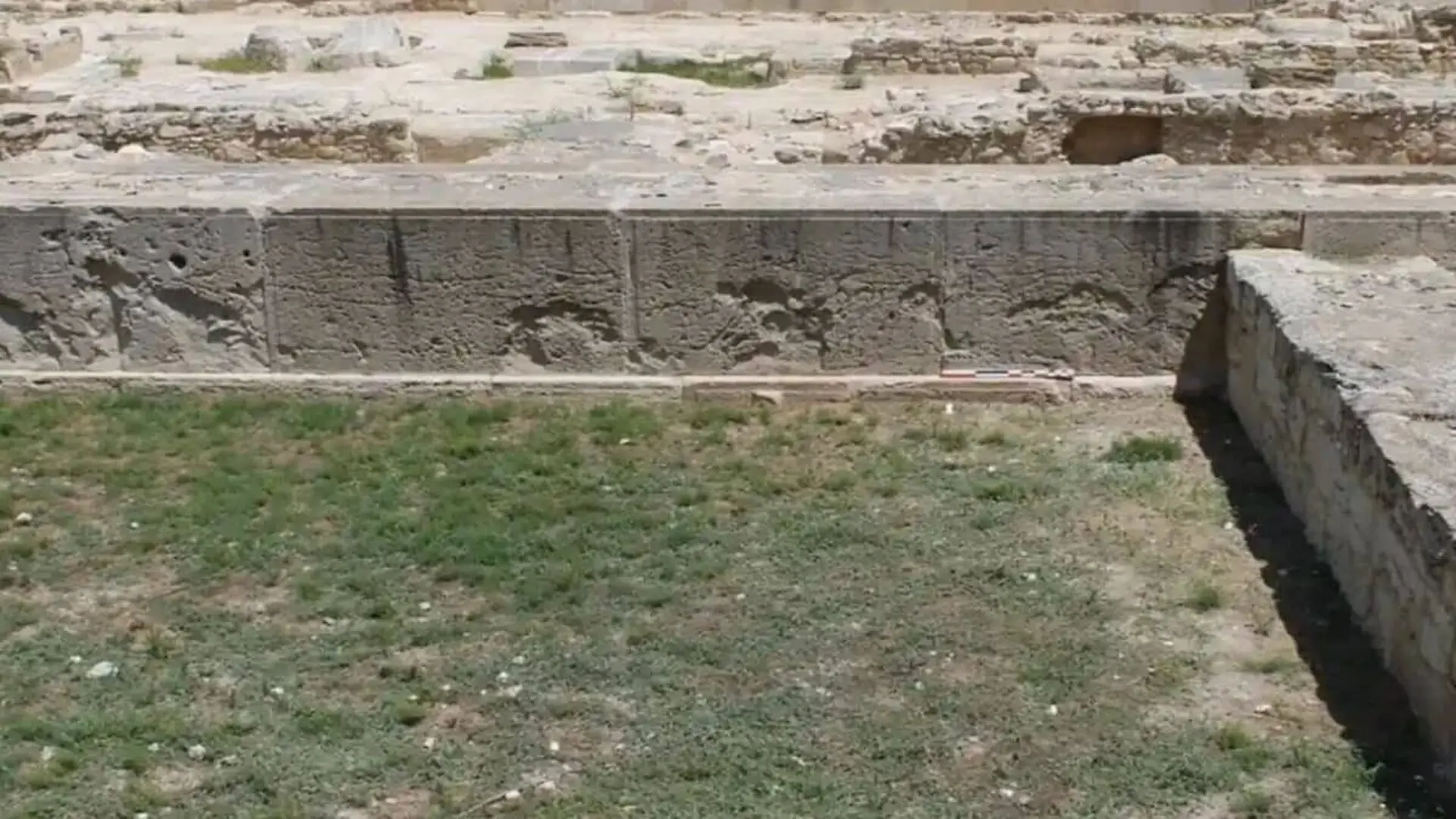
High-resolution laser scanning has unveiled a hidden maritime gallery etched into the stone walls of Kition Kathari, an ancient temple complex in Cyprus. Researchers identified 23 previously unseen ship carvings dating back more than 3,000 years, revealing a multi-generational tradition of artistic expression that persisted for three centuries.
The Kition Kathari site, located on the southern coast of Cyprus, served as a significant city-kingdom following its establishment by Phoenicians in the early 10th century BCE. The settlement endured through Roman annexation in 58 BCE until a series of devastating earthquakes in 322 and 342 CE finally leveled the architecture. Excavations at the five-temple complex have been ongoing since 1959, yet this recent survey underscores how much detail remains trapped within the weathered stone.
Advanced Imaging Reveals New Details
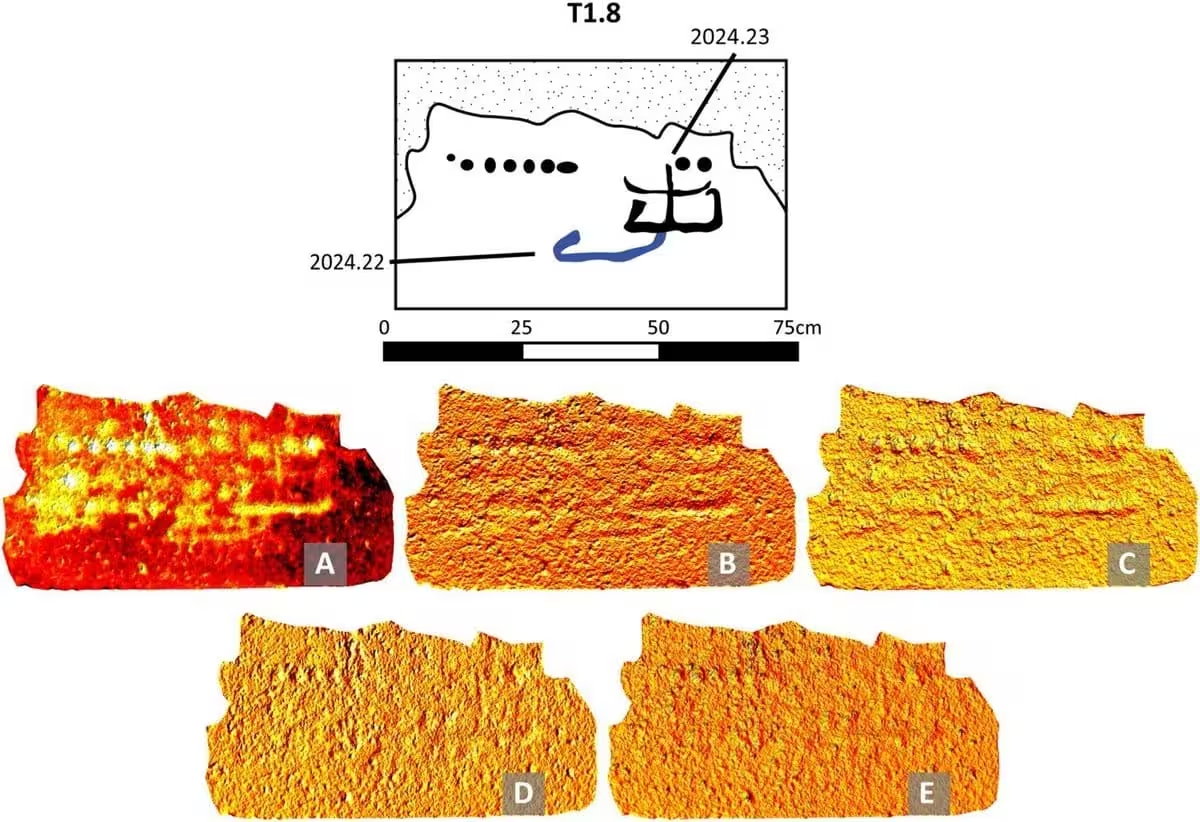
Archaeologists returned to the ruins in 2024 to document the state of the masonry, utilizing laser scanning and 3D modeling to analyze the structural integrity of the blocks. While the primary goal was to study construction techniques, the team inadvertently discovered a wealth of maritime imagery. When combined with 21 etchings documented in the 1980s, the total count of ship carvings identified across the complex now exceeds 40.
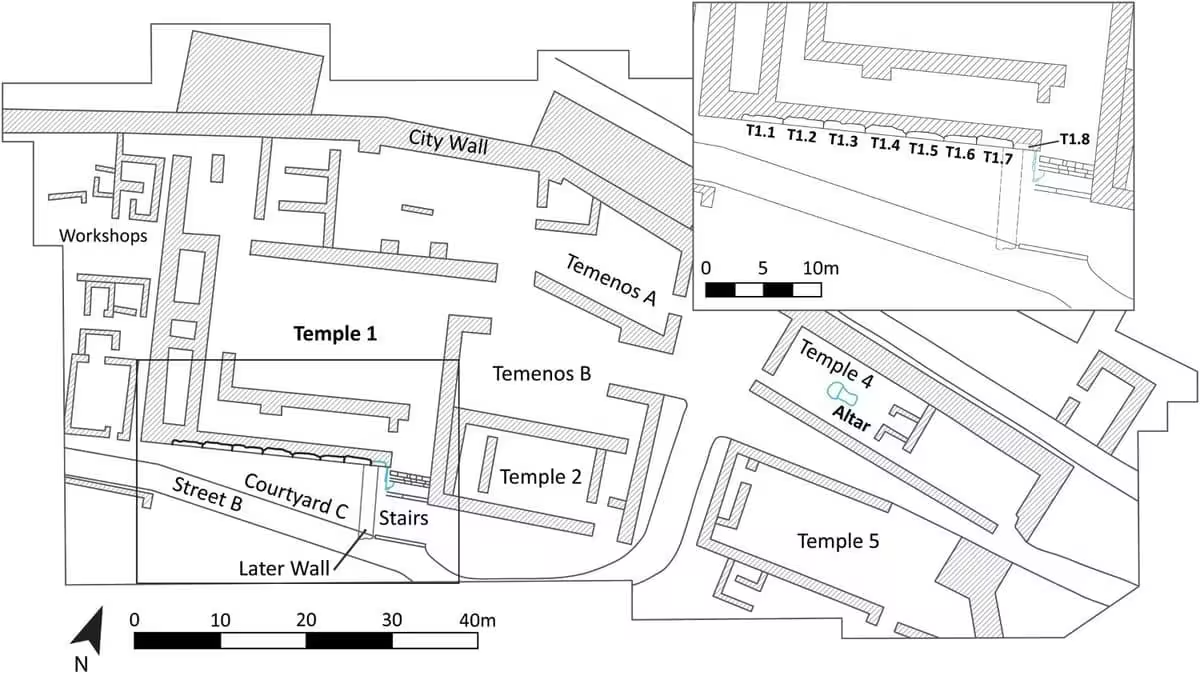
“We had not expected to find them—our intention going into the project was to laser scan the blocks in order to add to our larger study about ashlar masonry and Late Bronze Age masonry practices on the island,” said Caroline Barnes, an archaeologist at the University of British Columbia, in comments provided to Phys.
Evidence of Centuries-Long Artistic Continuity
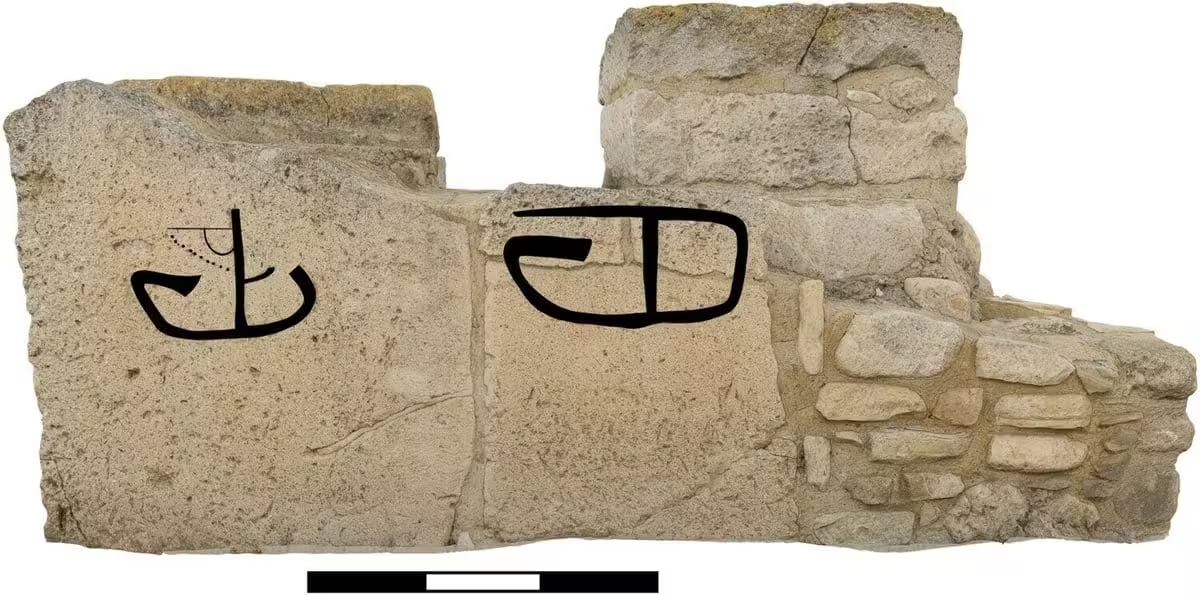
The engravings were not created during a single event. Evidence shows they were produced in stages over roughly 300 years. Notably, researchers discovered a boat carved into a repair block that was integrated into the temple walls 150 years after the initial construction, confirming that the practice of marking these stones continued long after the structures were first erected.
The imagery has been classified into six distinct styles reflecting various regional influences, including Minoa, the Levant, and hybrid designs potentially linked to the Carmel Coast. This stylistic diversity highlights the complex maritime interactions of the era.
Challenging the Narrative of Collapse
These findings, detailed in the International Journal of Nautical Archaeology, offer new perspectives on the transition from the Late Bronze Age. While historical models often emphasize a sudden “dark age” of cultural collapse, the persistent tradition of ship etching across these centuries suggests a deeper level of stability and continuity than previously assumed.
By documenting vessels from both before and after the collapse, the researchers argue that the cultural and maritime threads connecting these societies remained largely intact, despite the significant societal shifts occurring across the Mediterranean during this period.
This article has been fact checked for accuracy, with information verified against reputable sources. Learn more about us and our editorial process.
Last reviewed on .
Article history
- Latest version
Reference(s)
- “Caroline Barnes - Department of Ancient Mediterranean and Near Eastern Studies.”, September 29, 2022 Department of Ancient Mediterranean and Near Eastern Studies <https://amne.ubc.ca/profile/caroline-barnes/>.
- <https://phys.org/news/2026-09-laser-scans-reveal-hidden-ship.html>.
- Braun, Graham C.., et al. “The Ship Graffiti from Late Bronze Age–Early Iron Age Kition, Cyprus: New Additions and Reconsiderations 40 Years Later.” International Journal of Nautical Archaeology, August 18, 2026, pp. 1-34. Informa UK Limited, doi: 10.1080/10572414.2026.2702905. <https://www.tandfonline.com/doi/full/10.1080/10572414.2026.2702905>.
Cite this page:
- Posted by Vikram Desai