NASA Curiosity Rover Is Uncovering Hidden Clues Within Mars Wind Sculpted Landscapes
NASA’s Curiosity rover is analyzing wind-blown sediments in Gale crater to uncover how ancient climate shifts and geological processes shaped the Martian surface.
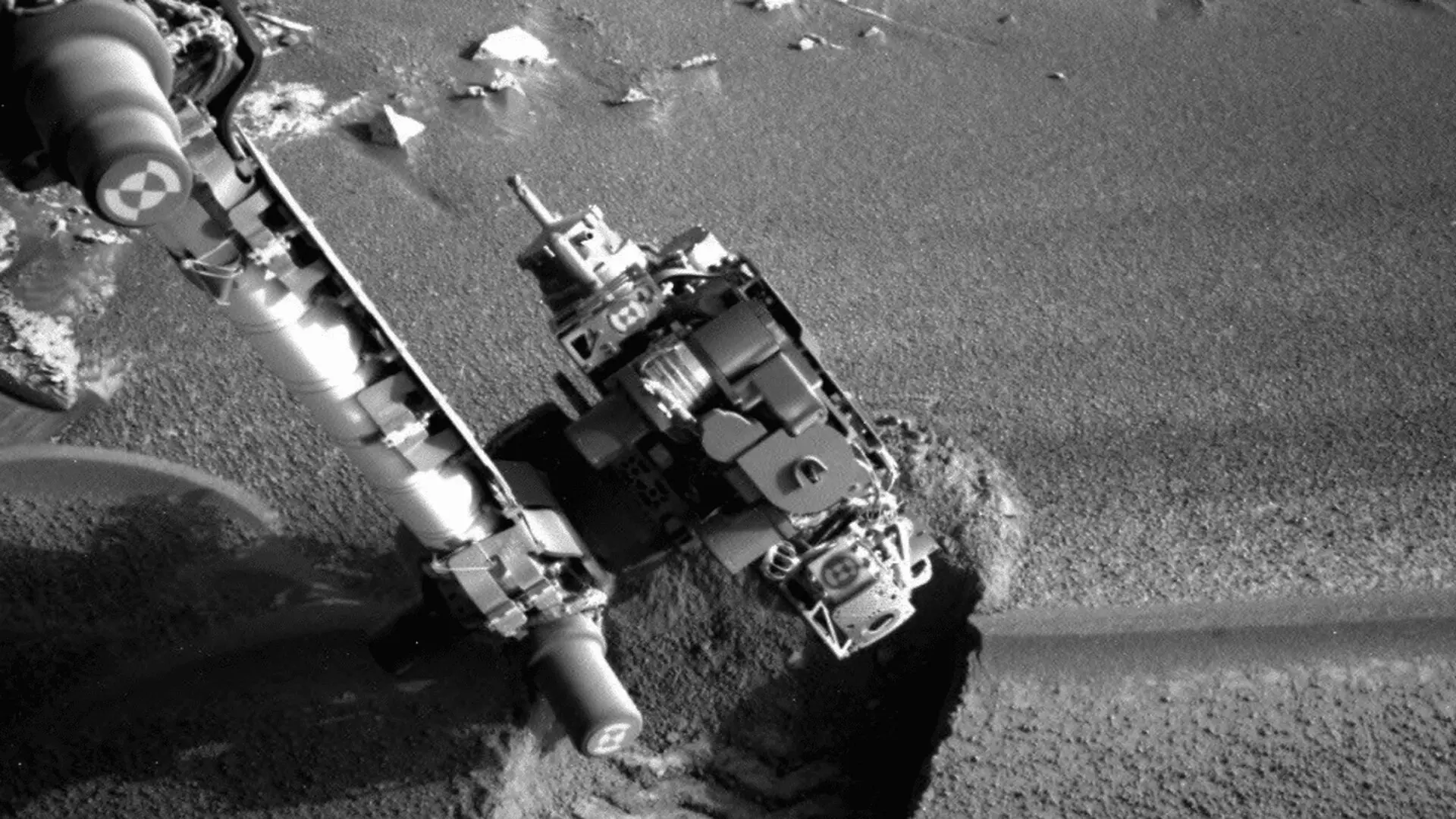
NASA’s Curiosity rover is currently conducting a sophisticated survey of aeolian sediments within Gale crater, providing researchers with a detailed look at the forces that have sculpted the Martian surface over geological time. According to a mission report from NASA’s Jet Propulsion Laboratory, operations conducted between sols 5002 and 5009 prioritized a complex series of observations aimed at deciphering how wind-driven processes have moved sand and dust across the landscape.
Precision Engineering Meets Planetary Science
The latest phase of the mission, detailed in a recent NASA update, underscores the logistical challenges of commanding a rover across the rugged Martian terrain. Because Curiosity is navigating a site rich in wind-carved geological structures, the mission team must carefully calibrate every instrument sequence to maximize scientific output while operating within the strict technical constraints of the spacecraft. These maneuvers require extensive pre-flight planning and verification to ensure that every movement and data-gathering task is performed with pinpoint accuracy.
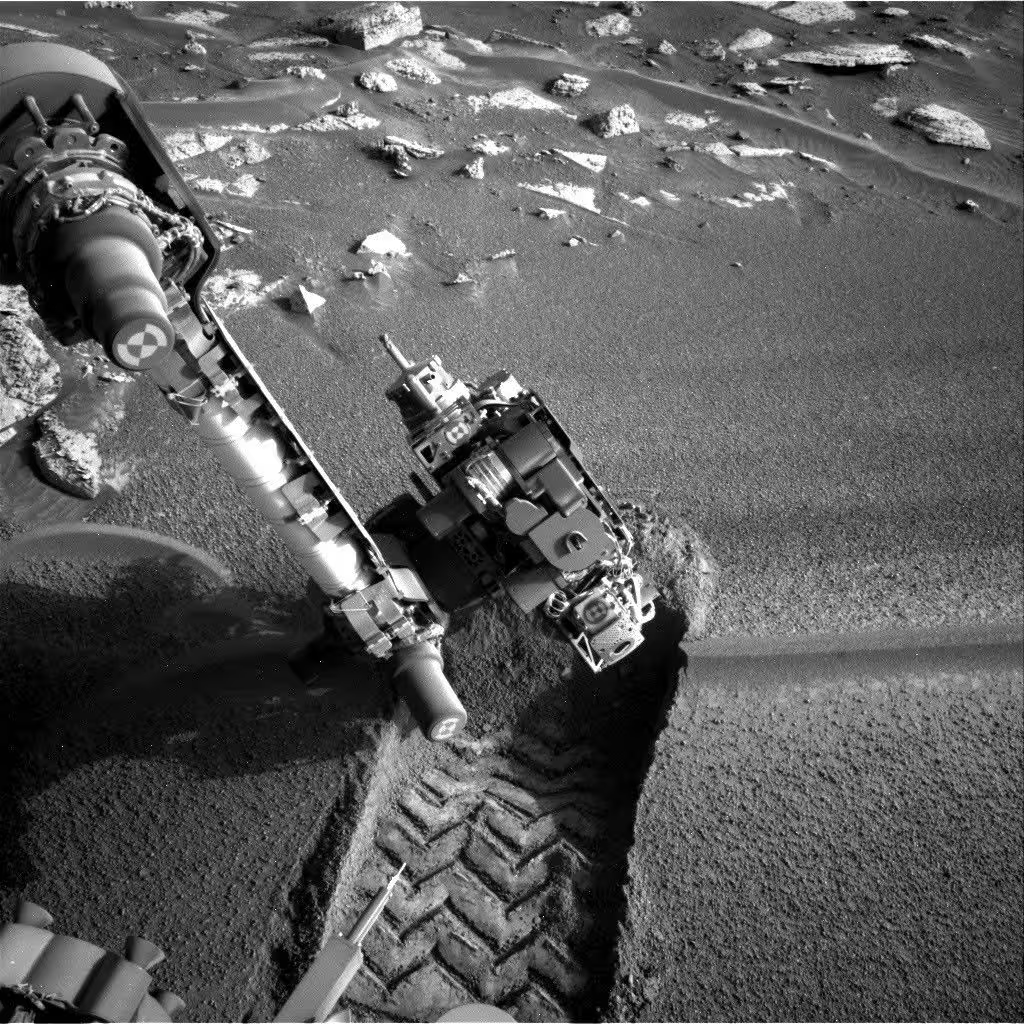
Decoding the Aeolian Archive
The research team is particularly interested in how sedimentary deposits capture evidence of past climatic conditions. On Earth, the layering and texture of wind-blown deposits act as a proxy for historic wind patterns and environmental stability. By applying these geological principles to the Martian surface, scientists hope to reconstruct the environmental history of the region. The instruments aboard Curiosity allow for an unprecedented level of close-range analysis, capturing the composition and structural integrity of these formations in a way that orbiters simply cannot replicate.
Because Mars lacks the tectonic activity that constantly recycles Earth’s crust, the surface of the Red Planet serves as a remarkably well-preserved archive. Features like ripples, dunes, and eroded outcrops offer clues into the atmospheric dynamics that once dictated the planet’s surface evolution. By meticulously documenting these features, the Curiosity team is piecing together a timeline of how Mars shifted from a world potentially hospitable to liquid water to the arid environment documented today.
Long-Term Scientific Contributions
Even after more than a decade of exploration, the rover continues to be a vital asset for understanding planetary science. The data collected during this most recent period of activity will be integrated into broader models regarding Martian atmospheric behavior and geological development. As the mission progresses deeper into its journey, each individual measurement serves to refine our understanding of the broader processes that have shaped, and continue to influence, the landscape of Gale crater.
This article has been fact checked for accuracy, with information verified against reputable sources. Learn more about us and our editorial process.
Last reviewed on .
Article history
- Latest version
Reference(s)
- Carney, Stephen. “Curiosity Blog, Sols 5002-5009: Tough Planning To Learn More About Wind-Blown Sediments - NASA Science.”, September 16, 2026 NASA <https://science.nasa.gov/blog/curiosity-blog-sols-5002-5009-tough-planning-to-learn-more-about-wind-blown-sediments/>.
Cite this page:
- Posted by Vikram Desai