Ancient Capybara Fossil Reveals The Atacama Desert Wasn’t Always A Parched Wasteland
A surprising fossil discovery in the Atacama Desert suggests the world’s driest landscape was once a lush environment teeming with unexpected wildlife.
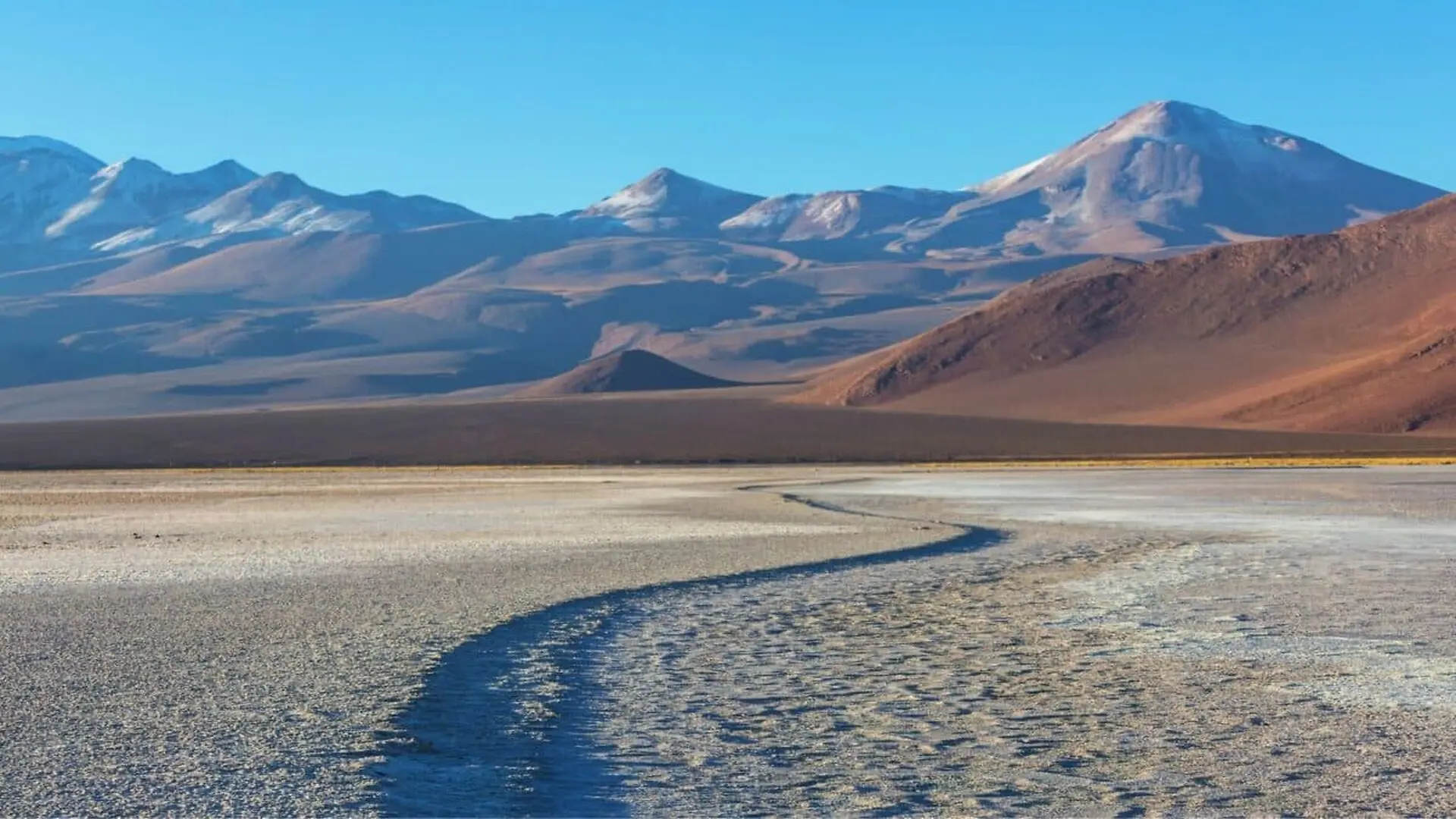
The Atacama Desert is widely recognized as the oldest continuously arid region on Earth, with hyper-arid conditions thought to have persisted for roughly 40 million years. However, a startling fossil discovery at Bahía Inglesa on the Chilean coast is forcing researchers to rethink that timeline, suggesting the landscape was vastly different during the Miocene epoch.
The find consists of a single fossilized molar dating back approximately 8.8 million years. It belonged to an ancient ancestor of the capybara, the world’s largest living rodent. Today, these semiaquatic mammals are found exclusively in the water-rich environments of the Amazon basin, making their presence in the heart of what is now one of the driest places on the planet a significant scientific puzzle.
A Prehistoric Puzzle in the World’s Driest Desert
The geographical reality of the modern Atacama makes the discovery particularly baffling. Not only is the region notoriously water-starved, but the massive wall of the Andes Mountains separates the Pacific coastline from the Amazonian lowlands. For a short-legged, water-dependent rodent, such a range would represent a nearly impossible barrier to navigate.
“Finding a capybara tooth in a marine deposit in what today is one of the driest regions on Earth is just freakish,” Priscilla Martinez from the University of Arizona said in a statement.
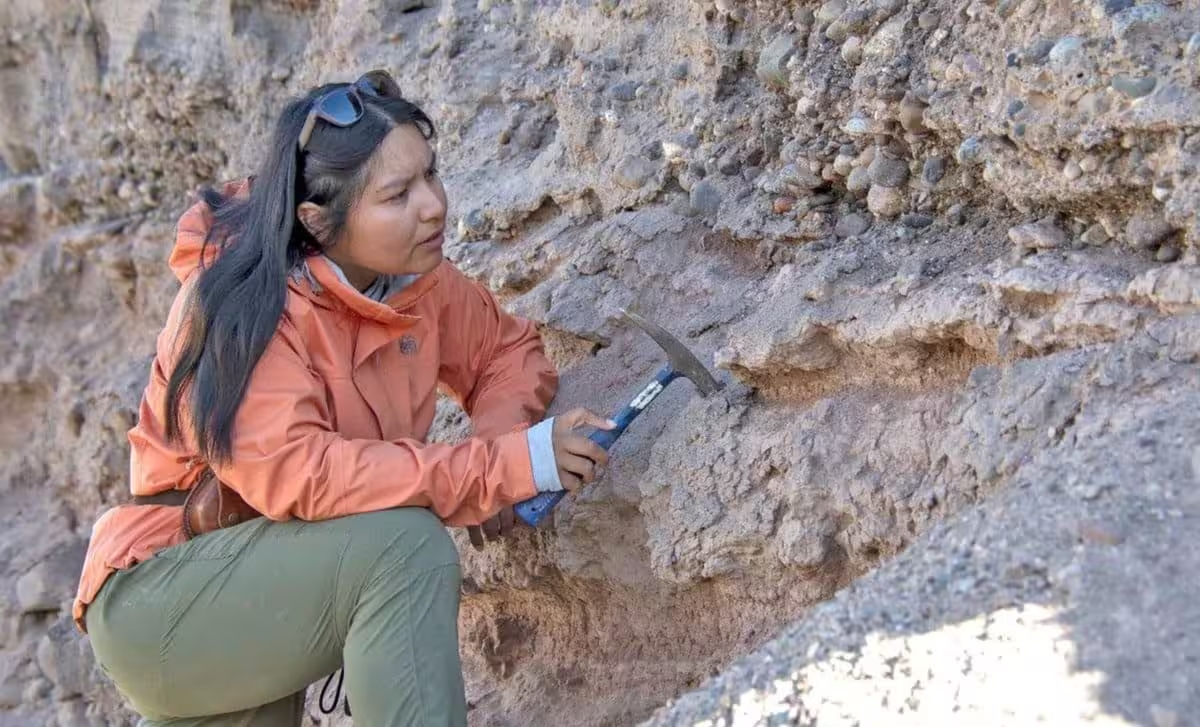
In the published study, researchers Martinez and her colleagues propose two potential scenarios for how these animals arrived in the region. While it is possible the rodents traversed the high-altitude Andes, the team favors a more temperate explanation: the northern Andes were significantly lower during the Miocene, potentially allowing for a continuous, connected corridor of suitable, water-rich habitats stretching from the Amazon to the Pacific coast.
Evidence of a Lush, Ancient Atacama
The capybara tooth is not the only evidence that the region once enjoyed a more forgiving climate. Botanical remains, specifically phytoliths, have been unearthed at the same site, indicating that palm trees were once a part of the local ecosystem.
“Think sunny Southern California full of palm trees,” Martinez said.
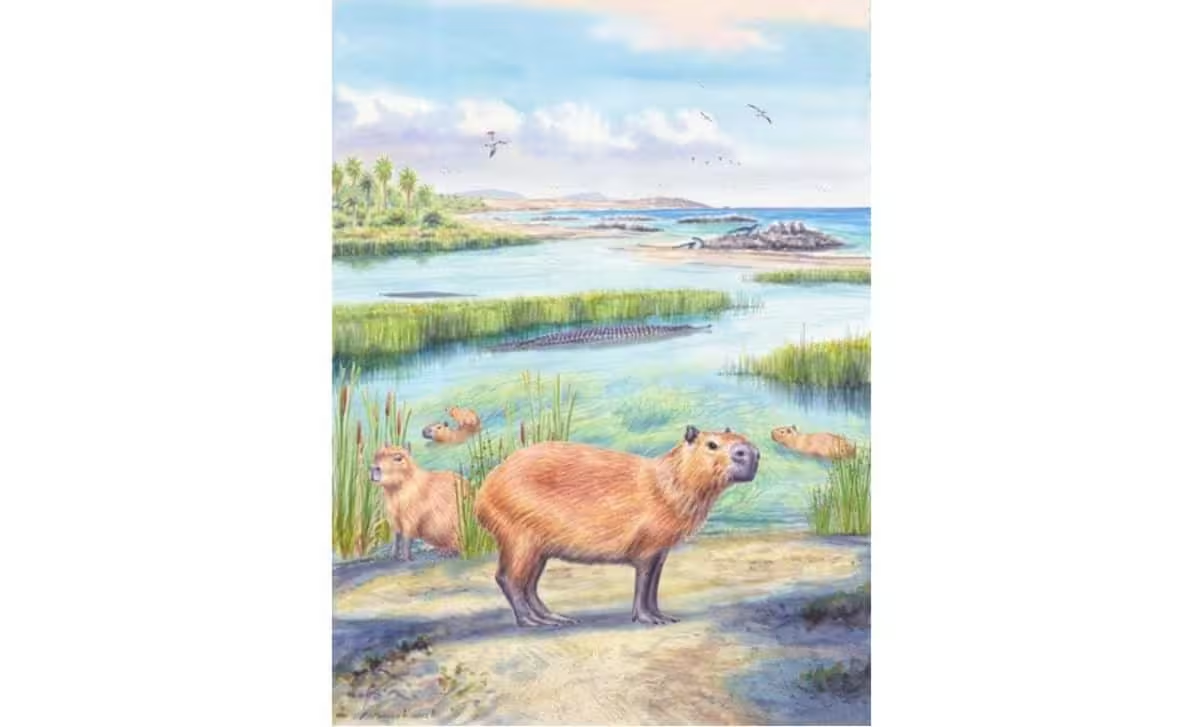
The presence of these plants and the semiaquatic rodents suggests that roughly nine million years ago, the area featured freshwater rivers and a significantly wetter climate than is found there today. This shifts the current understanding of the Atacama, suggesting it may have been a hospitable environment rather than the desolate, arid landscape that characterizes it now.
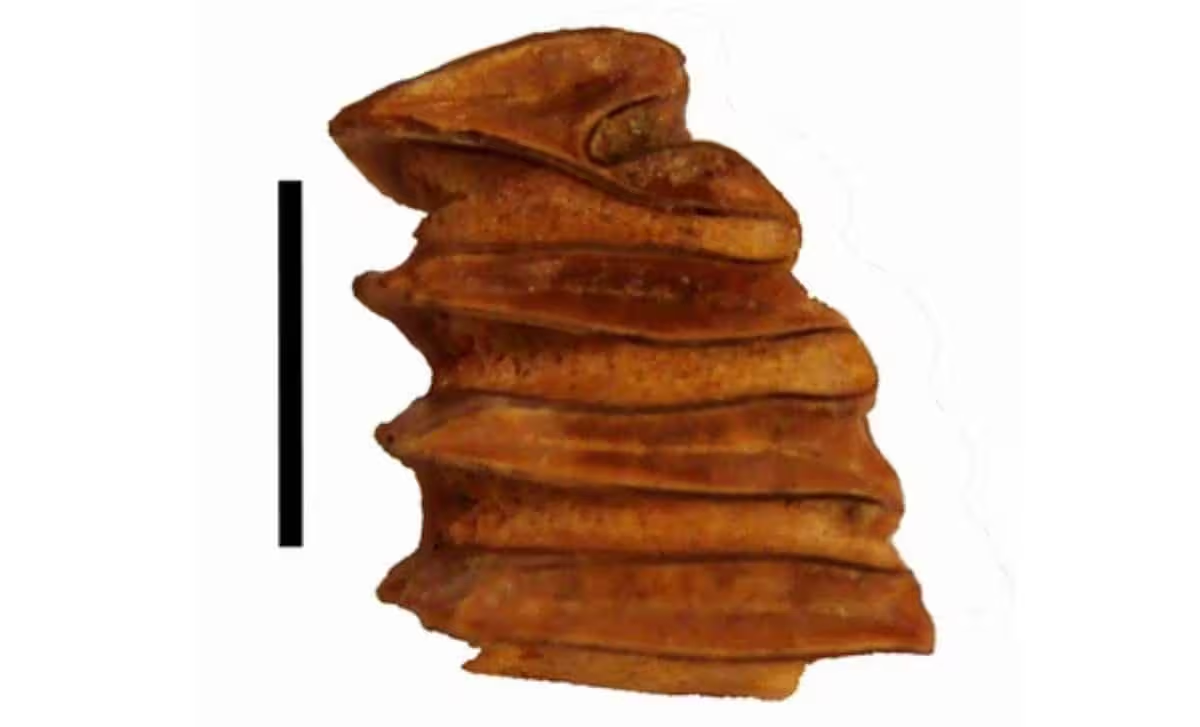
Study co-author Mark Clementz noted that the implications of the discovery are far-reaching. By introducing evidence of water-dependent life into the region’s deep history, the findings compel a re-evaluation of long-held assumptions regarding the persistence of the desert’s extreme climate.
“Finding this capybara – which I think everyone can agree is not a desert animal by any means – at that location is going to challenge many of the ideas about the Atacama’s history,” Clementz said.
This article has been fact checked for accuracy, with information verified against reputable sources. Learn more about us and our editorial process.
Last reviewed on .
Article history
- Latest version
Reference(s)
- “Priscilla Martinez.” The Department of Geosciences <https://geo.arizona.edu/person/priscilla-martinez>.
- “Capybaras in the desert? Fossil casts doubt on Atacama as world's oldest continuously dry region.” University of Arizona News <https://news.arizona.edu/news/capybaras-desert-fossil-casts-doubt-atacama-worlds-oldest-continuously-dry-region>.
- Gutstein, Carolina. “Late Miocene capybara in the Atacama Desert reveals a wetter climate and a transcontinental dispersal pathway - Scientific Reports.”, September 5, 2026 Nature, doi: 10.1038/s41598-026-67368-2. <https://www.nature.com/articles/s41598-026-67368-2>.
Cite this page:
- Posted by Hassan Raza