Forgotten Fossil From Japan Reveals a Surprisingly Small Dinosaur That Roamed Ancient Coasts
A 90-million-year-old fossil discovered in Fukushima, Japan, reveals that diverse iguanodontian dinosaurs once thrived in Late Cretaceous coastal ecosystems.
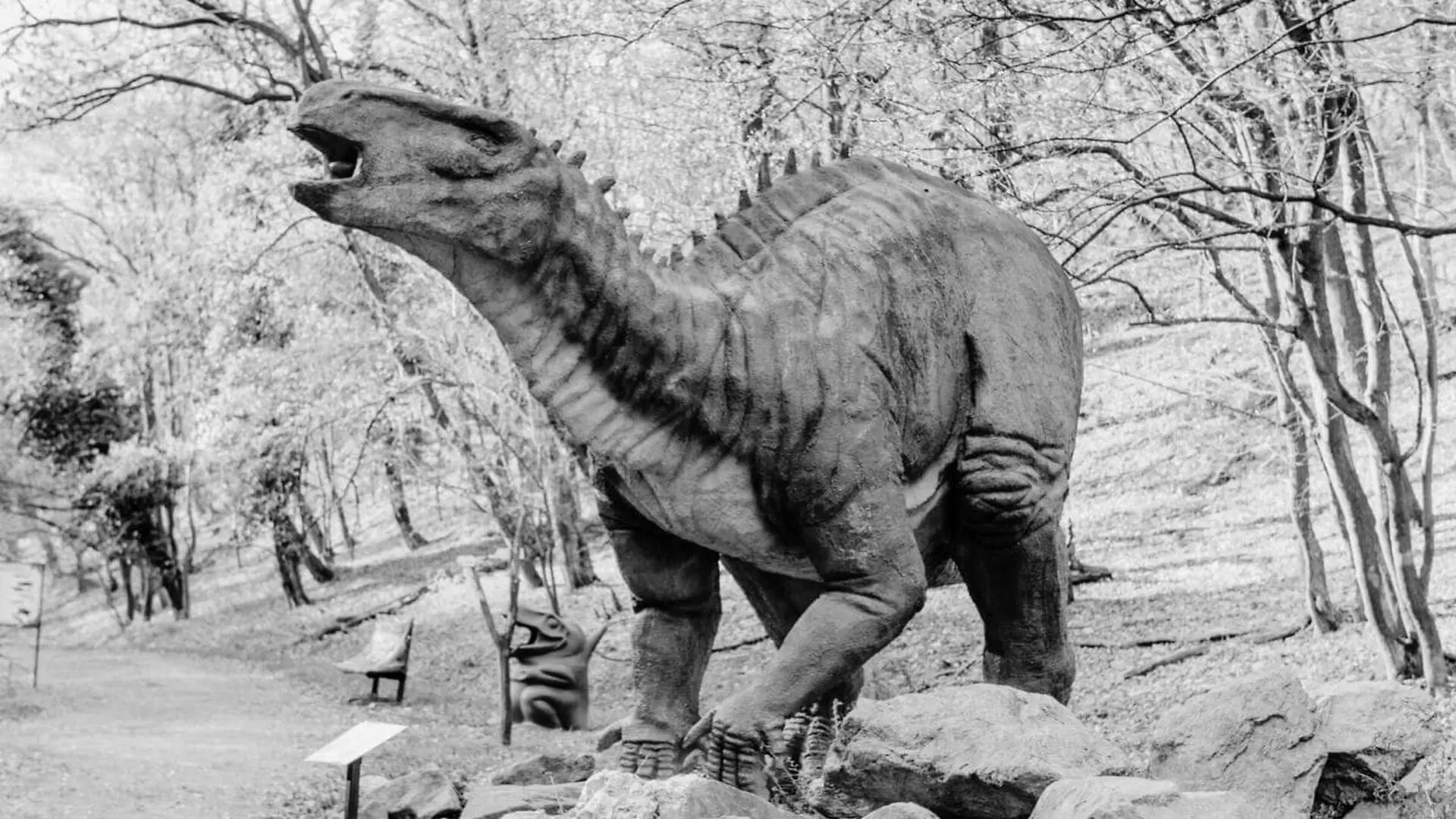
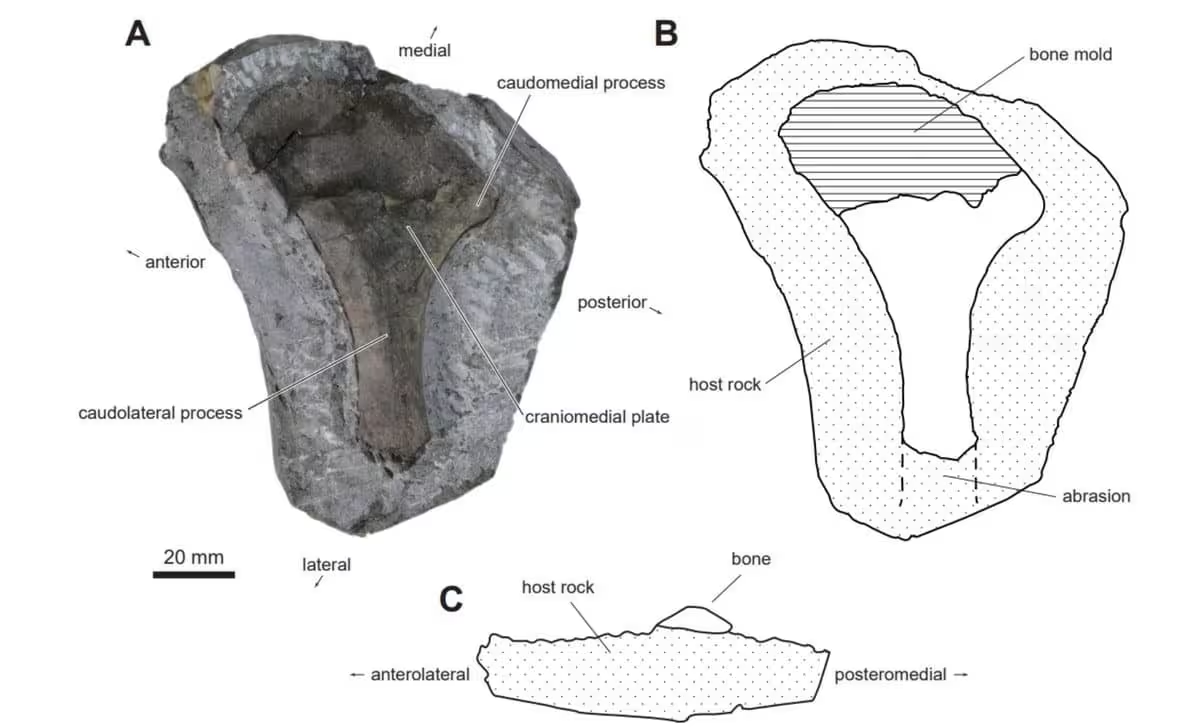
A fossilized bone unearthed in 1999 and left largely unexamined for over two decades has provided new insight into the prehistoric biodiversity of Japan. Housed at the Iwaki City Ammonite Center, the specimen has now been identified as a right sternal plate from an indeterminate styracosternan, a group of iguanodontian dinosaurs that encompasses hadrosauroids.
Small-Bodied Dinosaurs in Ancient Coastal Ecosystems
The fossil originates from the Obisagawa Member of the Ashizawa Formation, part of the Futaba Group in Fukushima. Dating back approximately 88 to 90 million years to the Late Cretaceous, the site was once a shallow marine environment where terrestrial and aquatic ecosystems converged. Initial assessments of the isolated bone suggested it belonged to a hadrosauroid, but a formal analysis recently published in Paleontological Research has clarified its classification.
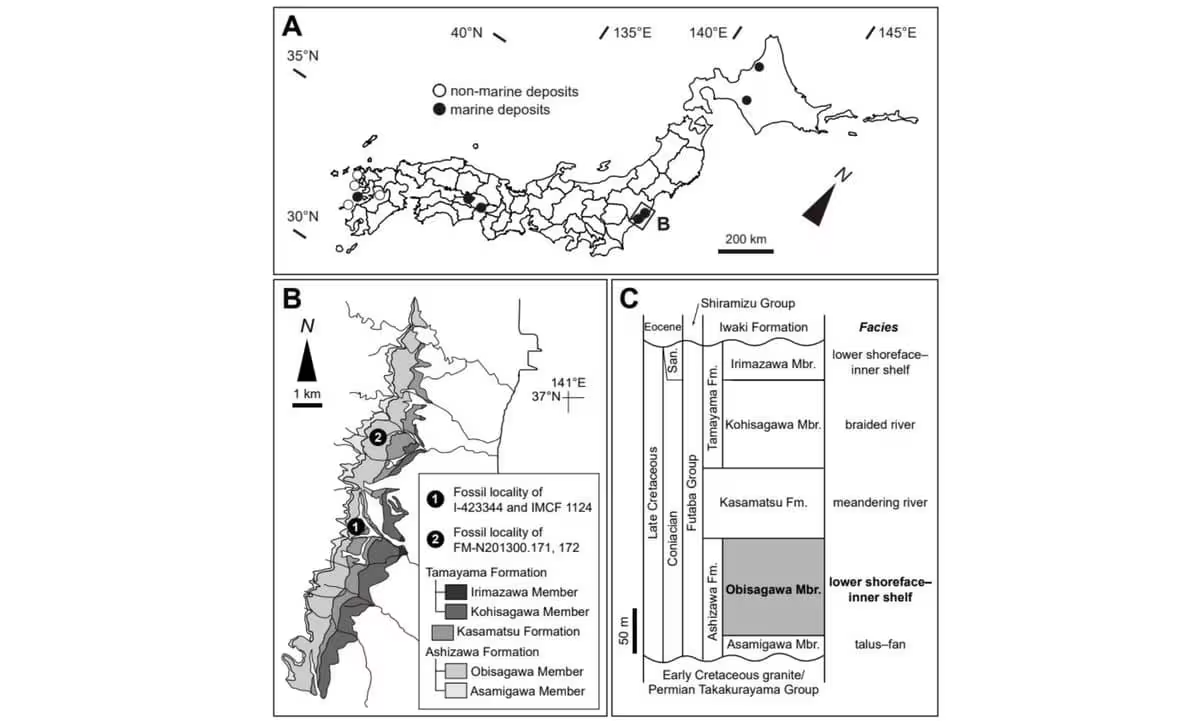
Researchers identified several diagnostic features that distinguish the bone, including its hatchet-like morphology, a concave lateral margin, a relatively short caudolateral process, and an undeveloped caudomedial process. While the fossil is insufficient to name a new species, its placement within the Styracosterna group—likely as a hadrosauroid—aligns with existing records from the Ashizawa Formation.
Evidence of Size Diversity
The discovery is particularly significant because it suggests a wider range of body sizes among herbivores in Japan’s ancient coastal habitats than previously realized. Estimating the creature’s length at approximately 3 meters, researchers noted that it was significantly smaller than the larger hadrosauroid specimens typically associated with this geological formation.
The co-occurrence of small and large styracosternans suggests that these coastal zones supported a more nuanced and diverse community of dinosaurs. Similar ecological patterns have been observed in other regions where small and large hadrosauroids shared space within marine-influenced deposits. As researchers continue to re-examine existing collections from sites in Hokkaido, Hyogo, Kagawa, and Kumamoto, findings like this Fukushima sternal plate are refining our understanding of how these prehistoric creatures occupied their environments.
This article has been fact checked for accuracy, with information verified against reputable sources. Learn more about us and our editorial process.
Last reviewed on .
Article history
- Latest version
Reference(s)
- Kondo, Masami. “An iguanodontian sternal plate from the Upper Cretaceous Ashizawa Formation (Futaba Group) of Fukushima Prefecture, Japan.”, vol. 30, January 1, 2026, pp. 122-134. J-STAGE, doi: 10.2517/prpsj.250042. <https://www.jstage.jst.go.jp/article/prpsj/30/0/30_250042/_article>.
Cite this page:
- Posted by Hassan Raza