Archaeologists Discover 4,400 Year Old Egyptian Tomb With Vivid Original Colors Still Intact
Archaeologists have unearthed a remarkably well-preserved 4,000-year-old tomb south of Cairo, offering a rare and pristine glimpse into ancient Egyptian life.
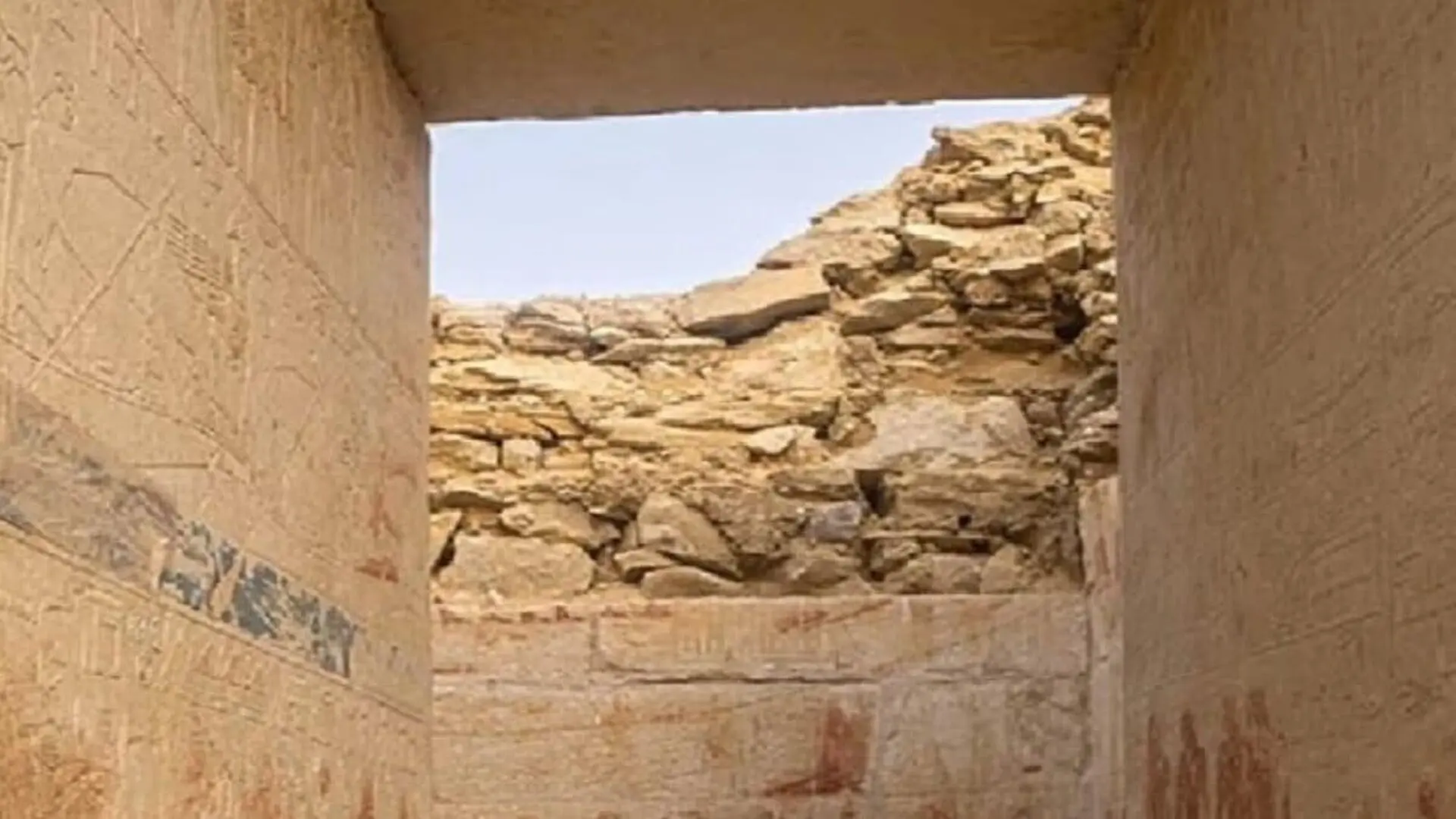
A collaborative team of researchers from the Autonomous University of Barcelona and the Egyptian Supreme Council of Antiquities has uncovered a remarkably preserved double-chambered tomb at the Saqqara necropolis. Dating back approximately 4,400 years to the late Fifth Dynasty of the Old Kingdom, the structure provides a rare glimpse into the lives and familial bonds of elite officials during the reign of Pharaoh Djedkare Isesi.
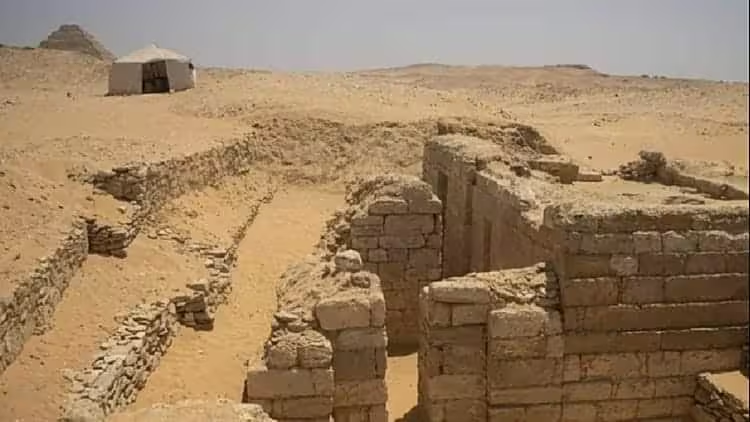
The site, located within the Mariette necropolis north of the main Saqqara complex, was identified during an extensive survey aimed at mapping the ancient topography of the region. Rather than simply excavating individual monuments, the team led by Egyptologist Josep Cervelló sought to reconstruct the functional landscape of the area, including the pathways and ritual spaces utilized by ancient residents. The discovery of this mastaba—a flat-roofed, rectangular tomb—was an unexpected highlight of their broader investigation.
An Enduring Bond Between Father and Son
Archaeological evidence suggests the tomb was built to house two individuals: a high-ranking government administrator named Yunmen and his father, Iti. The presence of two separate funerary chapels within the same structure indicates that Yunmen likely commissioned the site to honor his father, who held a more modest administrative role. According to the Egyptian Ministry of Tourism and Antiquities, this architectural choice offers a window into the social mobility of the era, illustrating how a family could rise in status and influence within the central government of the Old Kingdom.
Vivid Artistry Preserved Through Time
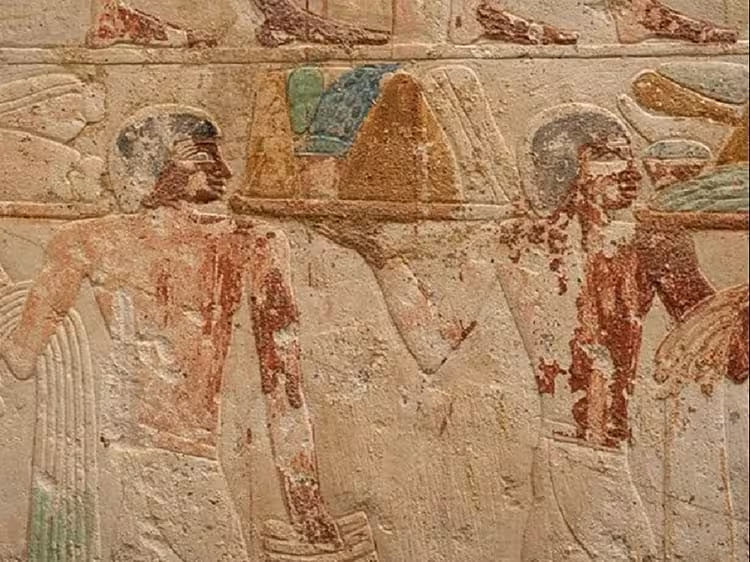
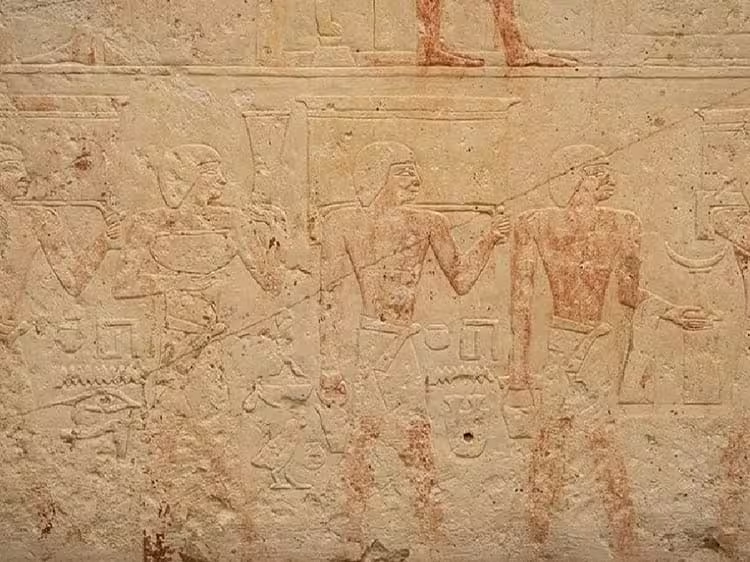
The most striking aspect of the find is the exceptional state of the interior wall decorations. Despite being buried for over four millennia, the relief carvings—which depict various agricultural activities and ritual offerings—still retain their original pigments. These artistic scenes provide valuable insights into daily life, with the inclusion of donkeys and other animals offering a domestic counterpoint to the more formal funerary iconography. The quality of the architrave and the detailed inscriptions documenting Yunmen’s titles have provided researchers with a wealth of data regarding the bureaucratic structure of the late Fifth Dynasty, a period often overshadowed by later eras in the historical record.
Future Prospects for the Necropolis
The discovery of the tomb has opened new doors for exploration in the immediate vicinity. Preliminary mapping conducted by the Spanish-Egyptian team has already identified at least two additional structures that appear to be of similar significance. As the team prepares for future excavation cycles, these findings promise to further clarify the urban layout of the Mariette necropolis. By integrating the study of tomb architecture with the broader context of the site, researchers hope to fill critical gaps in our understanding of the social and economic history of the Old Kingdom.
This article has been fact checked for accuracy, with information verified against reputable sources. Learn more about us and our editorial process.
Last reviewed on .
Article history
- Latest version
Reference(s)
- “Josep Cervelló, Instructor | Coursera.” Coursera <https://www.coursera.org/instructor/jcervello>.
Cite this page:
- Posted by Hassan Raza