Scientists Discover Common Gut Fungus That Could Help Repair Radiation Damage
A common gut fungus, Mucor racemosus, has been found to protect mice from radiation-induced intestinal damage through unique chemical and bacterial pathways.
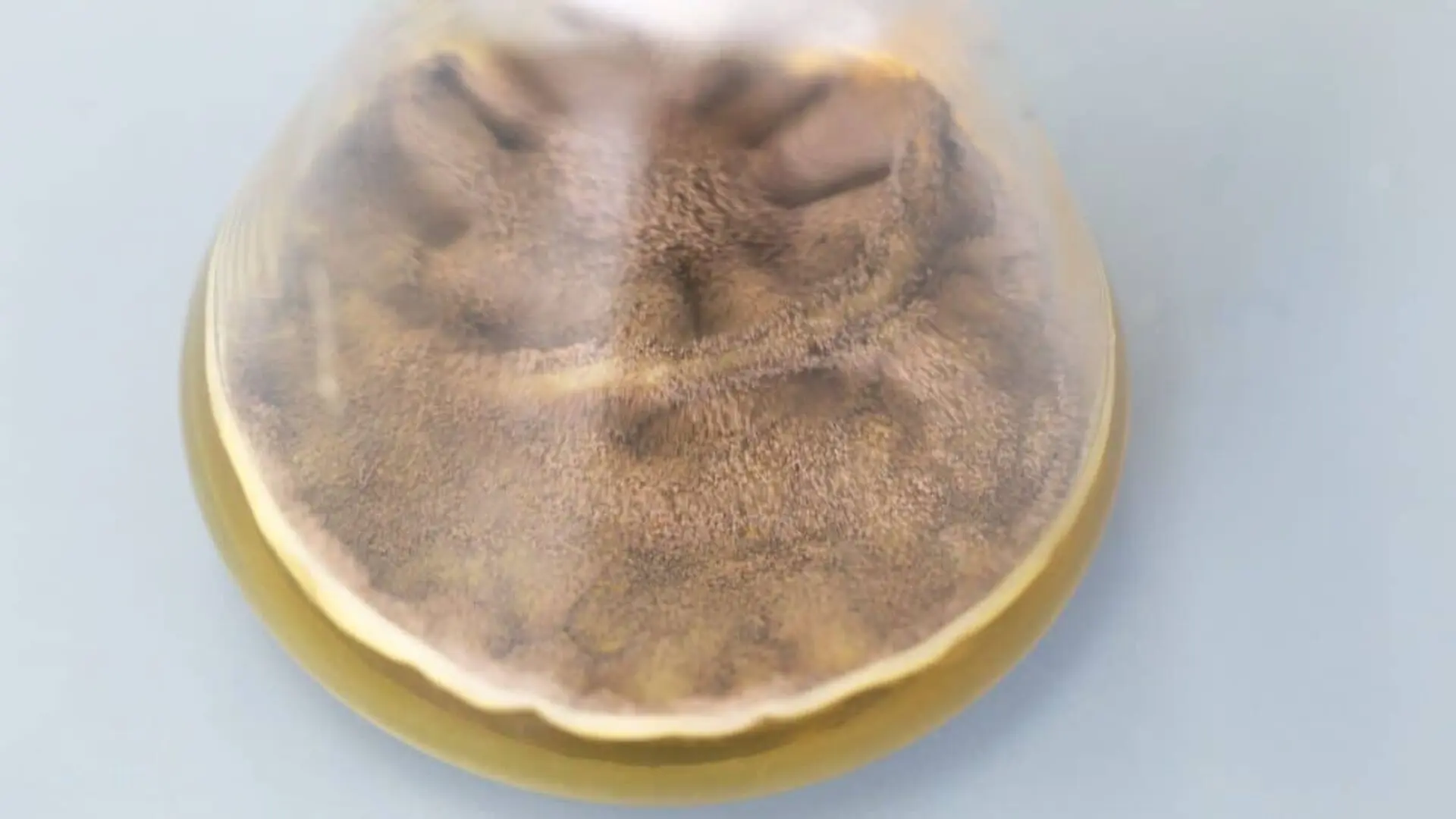
Emerging research has shed light on an unexpected protector against radiation-induced injury: a specialized gut fungus. While the intestinal microbiome is often discussed in terms of its bacterial composition, a new study published in PNAS highlights the critical, yet overlooked, role of fungi, which typically comprise less than 0.1% of the gut ecosystem. Researchers have identified that the filamentous fungus Mucor racemosus can significantly mitigate damage to the intestinal lining following exposure to abdominal radiation.
Fungal Metabolites Shield Intestinal Cells
During experiments involving mice, scientists observed that M. racemosus successfully colonized the gut in both spore and filamentous forms. When irradiated subjects were treated with the fungus, they exhibited marked improvements in clinical markers, including reduced inflammation, better preservation of intestinal barrier integrity, and enhanced villus structure compared to untreated groups. By utilizing germ-free mice, the team confirmed that the fungus provides these protective benefits independently of other microbial residents.
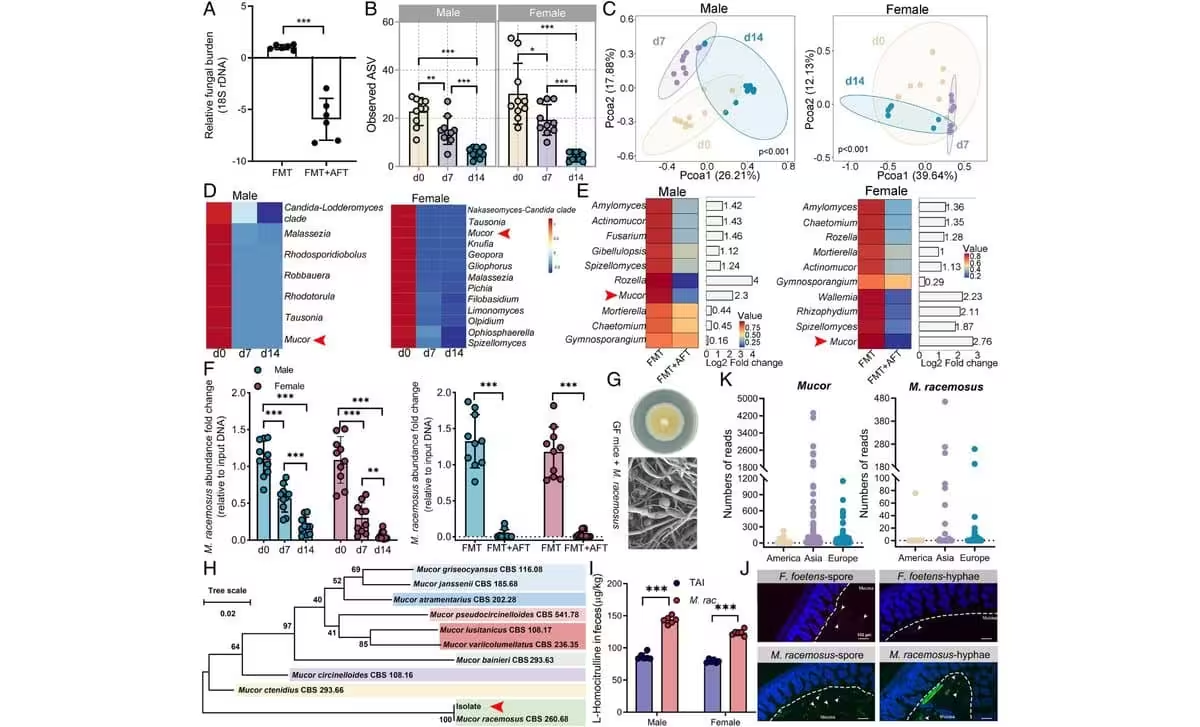
The protective power of M. racemosus appears to intensify in low-oxygen environments similar to the human gut. Under these conditions, the fungus produces specific compounds—L-glutamic acid, L-aspartic acid, and DL-lysine—that directly facilitate DNA repair and cell proliferation in damaged epithelial tissue. Tests on human intestinal cells confirmed that these amino acids reduced markers of DNA double-strand breaks, effectively aiding the body’s recovery from radiation stress.
A Collaborative Biological Pathway
The research also uncovered a complex interaction between the fungus and native gut bacteria. A fourth compound identified by the team, methylthioadenosine (MTA), operates through a different mechanism. MTA appears to stimulate the growth of Limosilactobacillus reuteri, a beneficial bacterium that processes the compound to boost methionine production. This increase in methionine levels serves as a secondary, indirect layer of protection for the host.
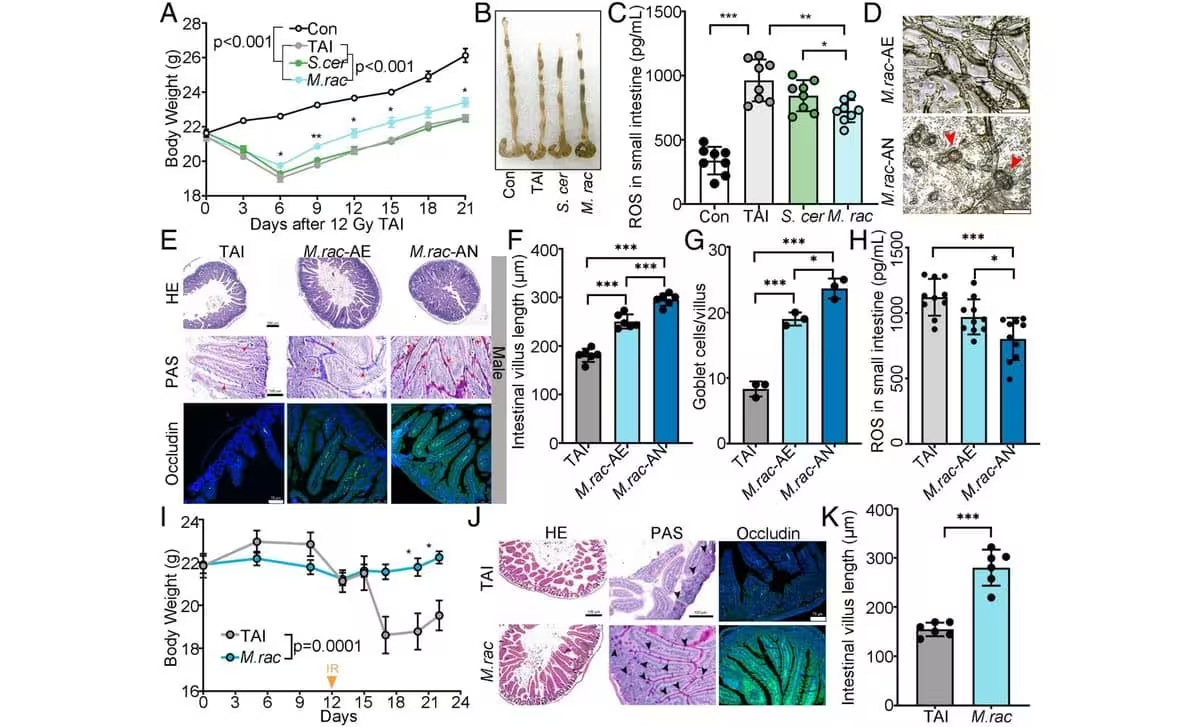
Beyond isolated compounds, the researchers tested a dietary application by feeding irradiated mice cheese fermented with M. racemosus. The results were promising, showing reduced systemic inflammation and improved structural integrity of the gut lining. While M. racemosus is found in some fermented foods and passed initial safety screenings for liver or kidney toxicity, scientists urge caution.
Because individuals undergoing intensive radiation or chemotherapy often have compromised immune systems, medical professionals typically advise against the consumption of live fungi to prevent potential infections. Consequently, while these findings open new doors for therapeutic intervention, further clinical research is required before M. racemosus can be integrated into medical care for human patients.
This article has been fact checked for accuracy, with information verified against reputable sources. Learn more about us and our editorial process.
Last reviewed on .
Article history
- Latest version
Reference(s)
- Xiao, Huiwen., et al. “A gut symbiotic filamentous fungus reprograms host metabolism and the microbiota to confer radioprotection.” Proceedings of the National Academy of Sciences, vol. 123, no. 35, August 25, 2026 National Academy of Sciences, doi: 10.1073/pnas.2608386123. <https://www.pnas.org/doi/10.1073/pnas.2608386123>.
Cite this page:
- Posted by Hassan Raza