NASA Overhauls Artemis III Mission to Test Moon Landers in Earth Orbit First
NASA’s Artemis III mission will unite Orion, Starship, and Blue Origin’s lander for a historic orbital test ahead of the planned 2028 Moon landing.
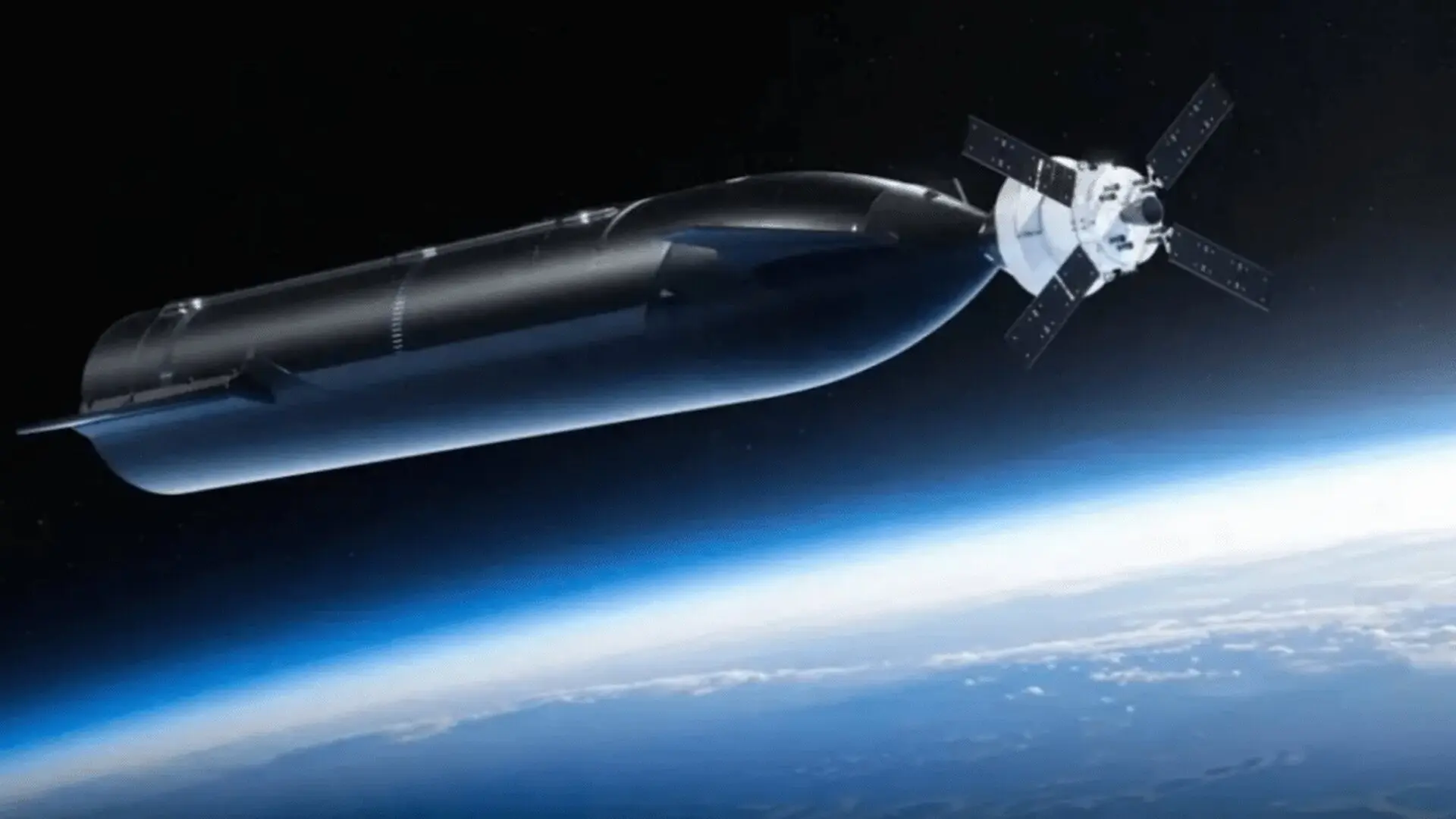
NASA has recalibrated its roadmap for lunar exploration, opting to shift the focus of the Artemis III mission. Instead of an immediate push for a moon landing, the agency will conduct a series of critical operational tests in low Earth orbit, utilizing commercial spacecraft to mitigate technical risks before human crews venture toward the lunar surface.
High-Stakes Testing in Earth’s Orbit
The revised Artemis III profile marks a strategic pivot in how NASA validates its infrastructure for deep-space travel. By hosting a crewed demonstration just hundreds of miles above Earth, the agency can evaluate complex docking and transfer protocols under controlled conditions, providing mission controllers with immediate oversight of vehicle performance and system integration.
This mission will feature the integration of NASA’s Orion spacecraft with advanced human landing systems currently being refined by private industry. The core objective is to master the intricate rendezvous and docking maneuvers required for future lunar excursions, ensuring that crew transfers between vessels—a cornerstone of NASA’s broader exploration architecture—are seamless and secure.
Putting Commercial Partners to the Test
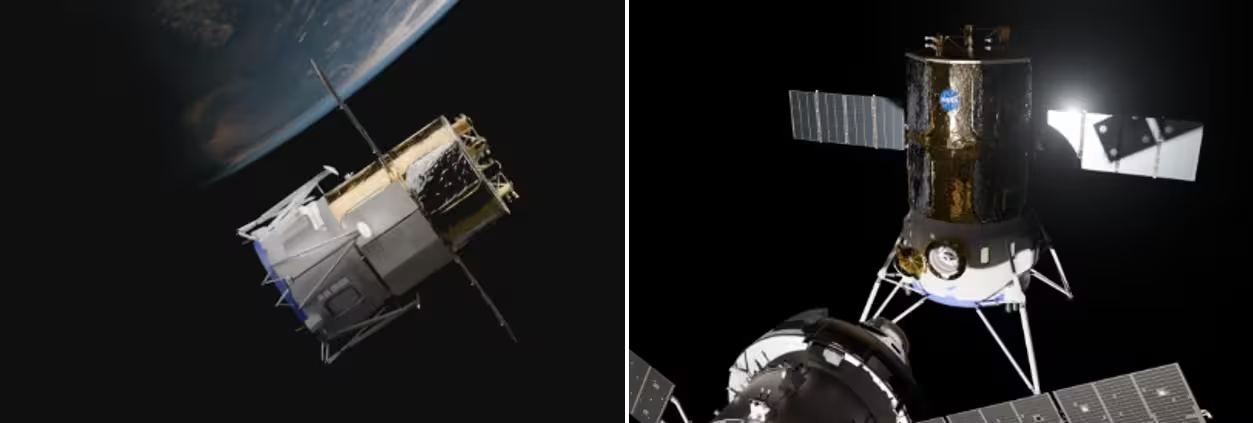
Central to this initiative is the evaluation of lunar transport technology from Blue Origin and SpaceX. Both companies play a pivotal role in NASA’s multi-vendor strategy, which aims to foster competition and redundancy in space transport.
SpaceX is currently developing a specialized lunar iteration of its Starship vehicle, a project that includes the complex challenge of orbital propellant transfer. Simultaneously, Blue Origin is finalizing its Blue Moon human landing system. The Artemis III mission provides a crucible for these platforms, allowing NASA to observe how different hardware architectures interface with the Orion crew capsule in real-time.
Coordinating Three Rockets and Three Spacecraft
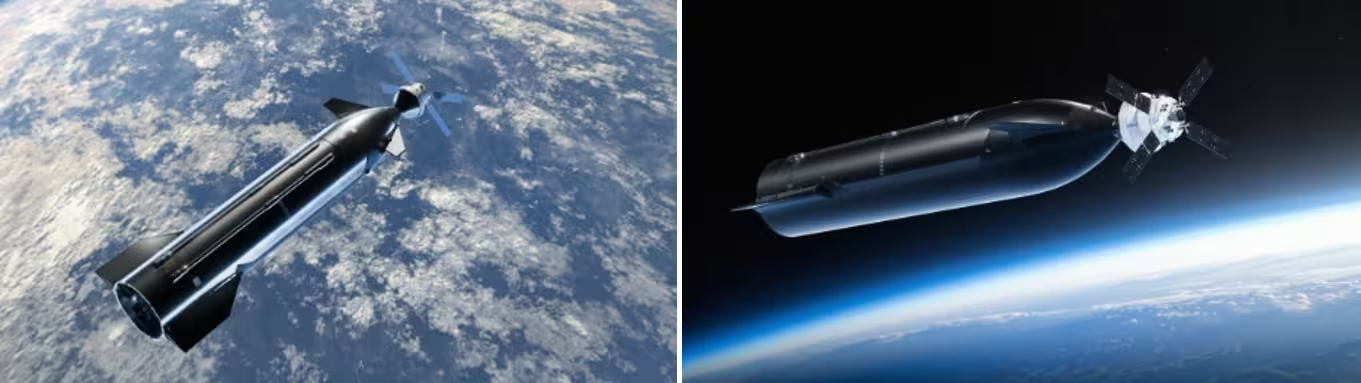
The 2027 mission is a logistical tour de force, involving four astronauts: Randy Bresnik, Frank Rubio, Andre Douglas, and Luca Parmitano of the European Space Agency. The mission timeline kicks off with the deployment of Blue Origin’s Blue Moon Mark 2 to an orbit 273 miles above Earth, where it will remain ready for up to 30 days.
Following the launch of the Orion spacecraft via the Space Launch System (SLS), the crew will execute a docking sequence with the Blue Moon lander. Astronauts will spend two days inside the lander to audit its life-support, navigation, and cabin systems. A second demonstration will follow, involving a docking test with a SpaceX Starship Version 3 vehicle, though this will remain an uncrewed exterior evaluation.
As Jeremy Parsons, NASA’s Artemis program manager, noted in the official mission announcement, the primary goal of these complex orbital maneuvers is to systematically reduce operational risk before committing personnel to the lunar environment.
Broadening the Scope of Orbital Research
Beyond vehicle testing, the Artemis III mission serves as a laboratory for future deep-space survival. The crew will assess the performance of the Orion Crew Survival System suits and evaluate how autonomous health assessments might be conducted in environments where contact with mission control is limited. The mission also incorporates a slate of scientific experiments, including plant biology studies and Earth-solar observation, before the crew concludes their journey with a splashdown in the Pacific.
The Road to 2028 and Beyond
While the goal of returning humans to the Moon’s South Pole remains set for 2028, the Artemis III demonstration is the essential precursor. By validating the mechanical and communication links between Orion and commercial landers, NASA is moving away from purely simulation-based verification toward a model of proven flight performance. The success of these orbital tests will dictate the final readiness of the systems required to sustain a human presence at the lunar South Pole, where the search for water ice remains a primary driver for long-term exploration.
This article has been fact checked for accuracy, with information verified against reputable sources. Learn more about us and our editorial process.
Last reviewed on .
Article history
- Latest version
Reference(s)
- Costa, Jason. “NASA’s Artemis III Mission to Test Future Moon Lander Operations - NASA.”, October 23, 2026 NASA <https://www.nasa.gov/missions/artemis/nasas-artemis-iii-mission-to-test-future-moon-lander-operations/>.
Cite this page:
- Posted by Karan Das