NASA’s Katalyst mission to rescue Swift telescope could usher in a new era of space servicing
NASA and Katalyst Space to test satellite servicing tech extending Swift Observatory’s lifespan
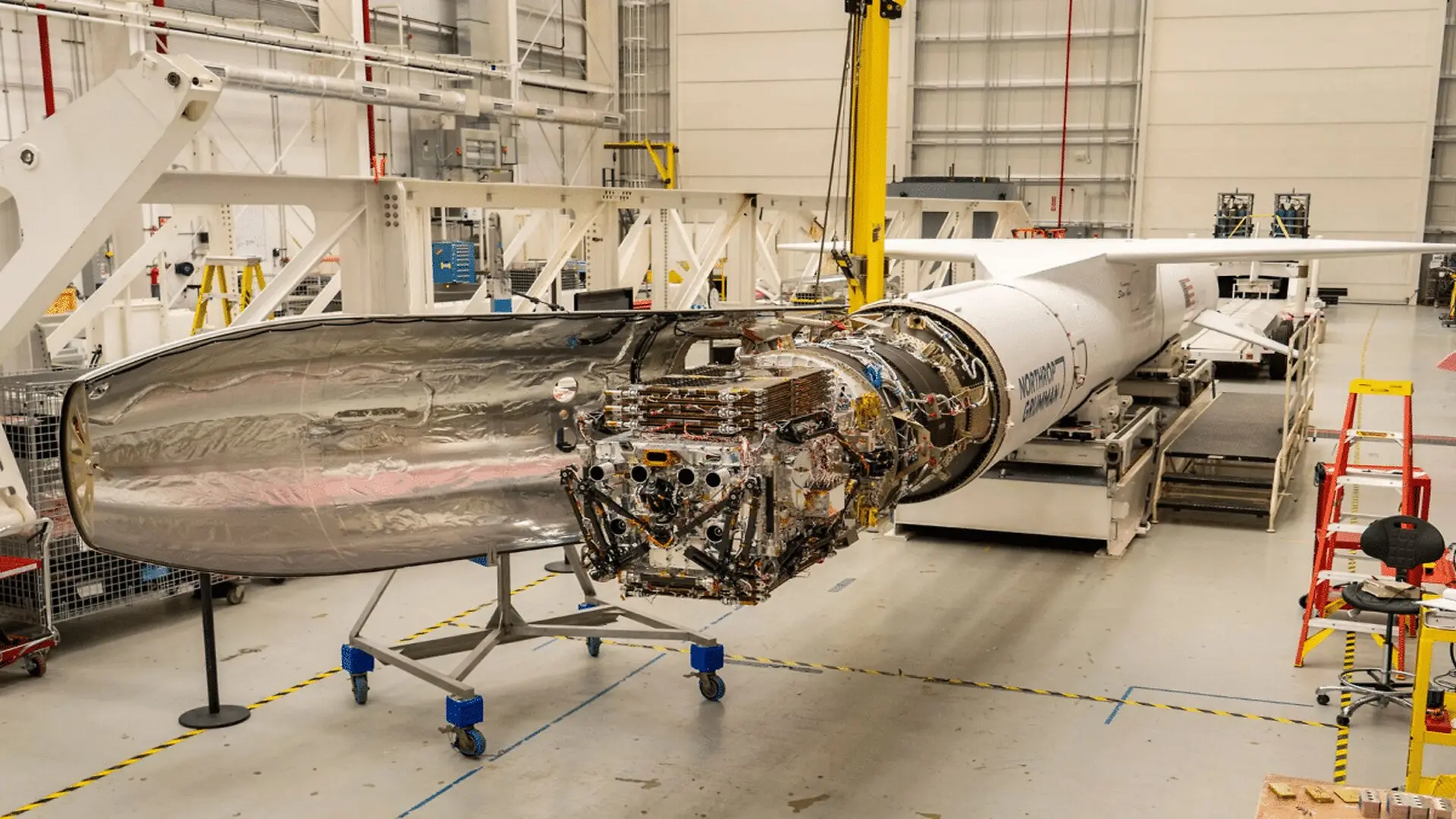
NASA is gearing up for a mission that could reshape how spacecraft are serviced once they are in orbit. The agency’s upcoming partnership with Katalyst Space aims to rendezvous with the veteran Neil Gehrels Swift Observatory, lift it to a higher trajectory and potentially add years to the telescope’s operational life after more than two decades above Earth.
A Veteran Telescope Confronts an Aging Orbit
Since its launch in 2004, the Neil Gehrels Swift Observatory has been a cornerstone for tracking the universe’s most energetic, fleeting phenomena, especially gamma‑ray bursts that can outshine whole galaxies for brief moments. Its rapid detection and alert capabilities have made it an indispensable asset for astronomers worldwide.
After 21 years circling the planet, Swift’s low‑Earth orbit is gradually spiraling downward as heightened solar activity speeds up atmospheric drag. Most satellites in a similar condition are eventually allowed to re‑enter the atmosphere, ending their missions. Because of Swift’s scientific value and the chance to trial new servicing technologies, NASA has opted to explore an alternative to retirement, targeting an orbital boost that could keep the observatory active.
Robotic Platform LINK Aims to Raise Swift’s Altitude
Central to the effort is LINK, a robotic servicing craft built by Katalyst Space. The vehicle will execute a precision rendezvous with Swift and then perform a series of burns designed to lift the telescope to a more stable orbit. Matching velocities and trajectories at several thousand miles per hour demands exacting navigation and control.
Beyond moving a single satellite, the mission is intended to prove that robotic systems can safely conduct complex on‑orbit tasks such as repairs, upgrades, and repositioning. As both governmental agencies and commercial operators expand their satellite constellations, successful on‑orbit servicing could become a cornerstone of future space‑infrastructure strategies.
NASA Positions Swift Boost as a Servicing Demonstration
According to NASA, the Swift boost is framed as a technology demonstration as much as a scientific preservation effort. In September 2025 the agency awarded Katalyst Space a contract to design, build and fly the mission within a year, setting an unusually swift timeline for an orbital‑servicing project.
Agency officials stress that future exploration will rely on capabilities to repair, refuel, upgrade or relocate spacecraft after launch. Extending the life of existing assets could boost scientific returns while curbing costs, especially as missions grow larger and more expensive. Demonstrating these functions on an active observatory with a proven track record offers a compelling proof‑of‑concept for upcoming lunar, planetary and deep‑space ventures.
Final Preparations for Pegasus XL Launch
LINK is slated to lift off aboard a Northrop Grumman Pegasus XL rocket from Kwajalein Atoll in the Marshall Islands. The mission has drawn interest from both public and private space sectors because it merges scientific objectives with a high‑profile technology validation.
NASA plans a media briefing that will feature agency leaders, mission scientists, Katalyst Space representatives and Northrop Grumman launch specialists. The session is expected to detail the operational plan, rendezvous tactics and broader implications of the demonstration, while industry watchers anticipate a clear signal of commercial involvement in future spacecraft servicing.
Potential Ripple Effects for Next‑Gen Space Operations
The stakes extend well beyond the Swift telescope. Global space agencies are increasingly focused on building more resilient, sustainable and adaptable spacecraft. Demonstrating the ability to extend an asset’s lifespan could reshape mission planning and reduce the need for premature replacements.
Having spent over twenty years enabling astronomers to probe the high‑energy cosmos, Swift now sits on the cusp of a different kind of milestone—one that could define how future spacecraft are maintained long after they reach orbit. If LINK completes its rendezvous and successfully raises Swift’s orbit, the accomplishment will be remembered not only for preserving a valuable observatory, but also for showcasing a capability that may steer the direction of space exploration for years to come.
This article has been fact checked for accuracy, with information verified against reputable sources. Learn more about us and our editorial process.
Last reviewed on .
Article history
- Latest version
Reference(s)
- “NASA to Preview Katalyst Mission to Boost Swift Spacecraft’s Orbit - NASA.” NASA <https://www.nasa.gov/news-release/nasa-to-preview-katalyst-mission-to-boost-swift-spacecrafts-orbit/>.
Cite this page:
- Posted by Karan Das